A Total Lunar Eclipse for Eastern Australia on 3 March: What to Expect and How to Watch

Donna Burton
13 February 2026, 2:50 AM
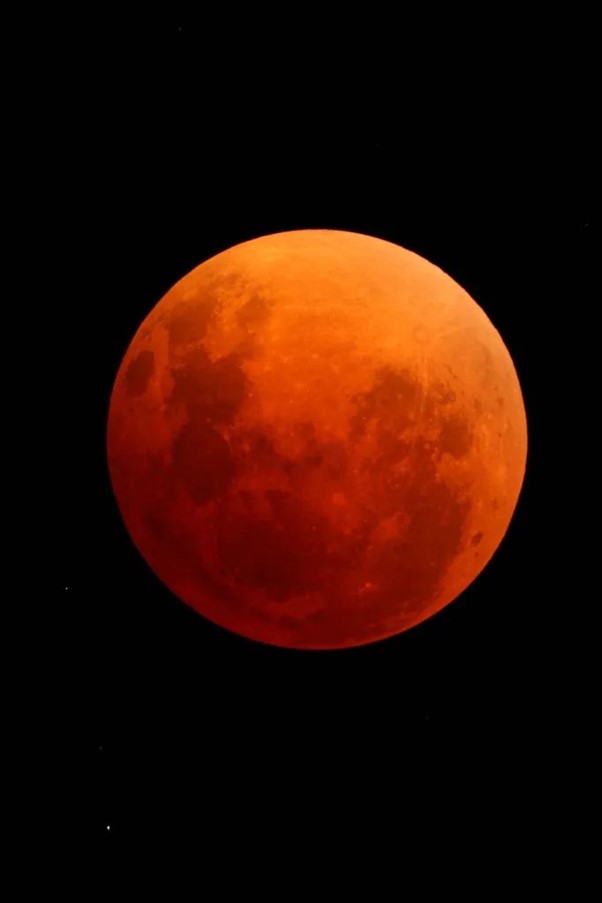
Many of us spend our evenings looking up, but every so often the sky offers something that invites a longer pause.
The lunar eclipse on 3 March is one of those events. Eastern Australia will have a particularly good view, with the entire sequence unfolding at a civilised evening hour.
This makes it one of the more accessible eclipses for both newcomers and regular sky watchers.
A lunar eclipse occurs when the Earth moves directly between the Sun and the Moon.
As the Moon passes into the Earth’s shadow it loses its usual brightness and takes on a muted copper tone.
This colour appears because sunlight travels through the Earth’s atmosphere on its way to the Moon, filtering out the shorter wavelengths and leaving the richer reds.
It is a subtle and rather instructive reminder that our planet plays an active role in shaping the light we see.
The timing is straightforward. The eclipse begins in Universal Time at 08:44 UTC with the penumbral stage.
It moves into partial eclipse at 09:50 UTC. Totality begins at 11:04 UTC and reaches its maximum at 11:34 UTC.
Totality ends at 12:03 UTC followed by the partial phase ending at 13:17 UTC.
The final penumbral stage ends at 14:23 UTC. For those on Australian Eastern Daylight Time the penumbral begins at 7:44 pm on 3 March.
The partial phase begins at 8:50 pm. Totality runs from 10:04 pm to 11:03 pm.
The final penumbral stage ends at 12:23 am on 4 March. All phases will be visible across the eastern states if the sky remains clear.
Observing the eclipse requires no equipment.
A clear line of sight to the eastern horizon at moonrise or a darker vantage point later in the evening will help.
Binoculars provide a more detailed view, but even the unaided eye will show the gradual shift from bright to red and back again.
The only essential requirement is patience. Eclipses unfold slowly and encourage an unhurried appreciation of celestial mechanics at work.
The eclipse also offers an opportunity to reflect on how much of our understanding of the sky depends on perspective.
The alignment that produces a lunar eclipse is simple, yet the experience of watching the Moon darken is always more compelling than a diagram or explanation.
It is a teaching moment offered by the sky itself.
Here is the question I want to leave you with.
If the Moon can change so noticeably in a single evening, what else in the night sky might reveal more when we give it the time it deserves?