Concern over another huge park buy-up

Farren Hotham
14 December 2025, 2:40 AM
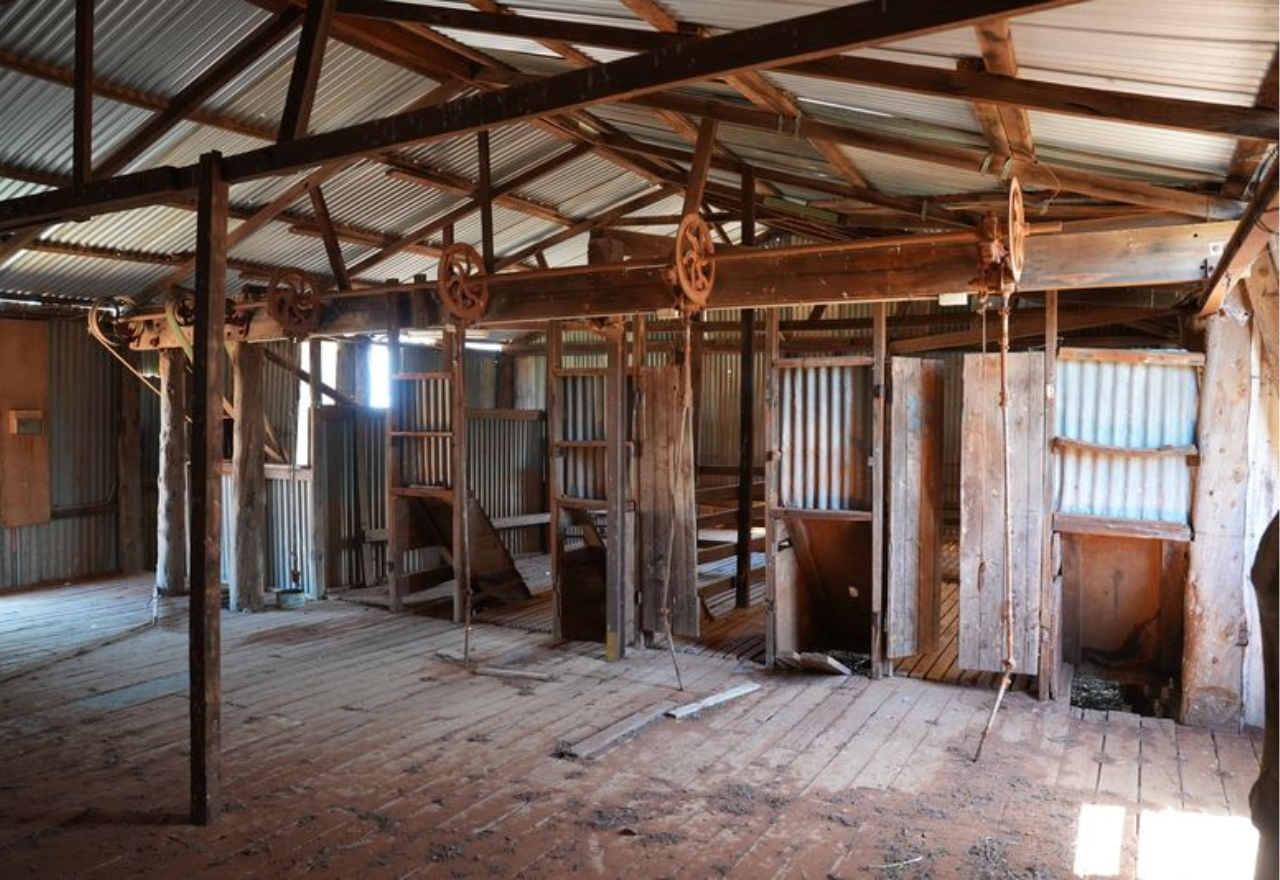 Corinya Station near Cobar is part of the latest acquisitions by NSW National Parks. [IMAGE: NSW Government]
Cobar Shire Council general manager Peter Vlatko says councillors are deeply concerned about the latest purchase of 71,000 hectares in his shire for another NSW National Park.
"This a major hit to our local economy with a big proportion of rateable land.
"I have a meeting scheduled Friday week with a person from NSW National Parks.
"Our councillors have expressed their concern with this in the past so we need to know more."
The latest purchase also adds to questions raised with the NSW Government by Barwon MP Roy Butler regarding the source of funding for national park purchases and long-term management, and the transparency of policies guiding the buy-ups.
Barwon State MP Roy Butler has vented his worries previously and a survey from his constituents proved the concern from his vast electorate.
"The purchase of more working farms as national parks out west is concerning," Mr Butler told the Western Plains App on 11 December.
"The Minister indicated to me in a previous meeting that no further funds were available to acquire land for national parks.
"I have asked the Minister to disclose any purchases made that are not yet in the public domain."
West Darling pastoralist Sam Beven has previously said “Purchasing land at inflated prices to protect landscapes that have happily coexisted with pastoralism since the 1860s and not following through with investment in pest control and tourist infrastructure is unacceptable.
"This approach should be reconsidered by the government,” said Mr Beven.
Mr Butler conducted an online survey in November which showed 95% of respondents were not happy with how National Parks are managed in western NSW.
Just one in five saw economic benefits and slightly more acknowledging environmental benefits.
Respondents said their biggest concerns about turning pastoral stations into National Parks are:
1) Losing a pastoral business that helps the local economy
2) High purchase prices stopping new farmers entering the industry
3) Feral animals getting out of control.
Respondents were less concerned about poor fencing or the loss of access to roads or fire trails.
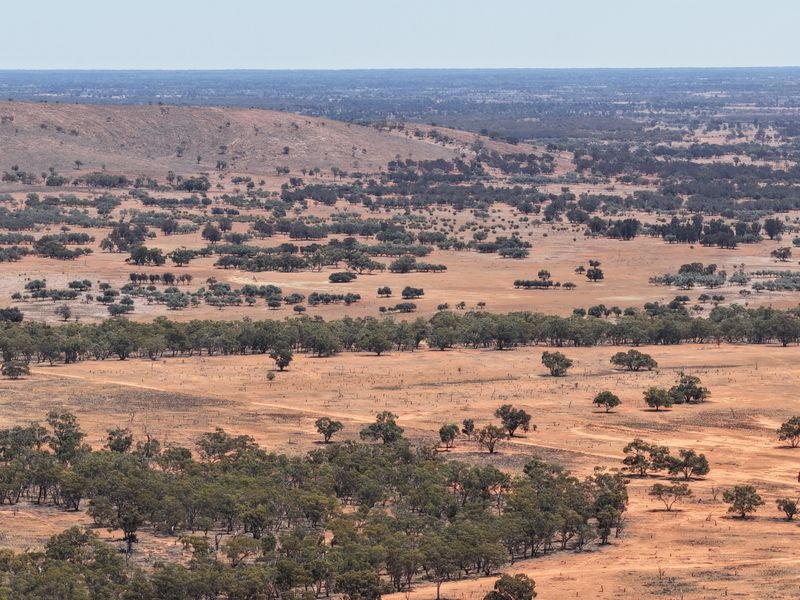
Corinya and Tasman Stations near Cobar add an area around a third of the size of the Australian Capital Territory to the NSW National Parks Estate.
State Nationals MLC Scott Barrett has also weighed in on the debate.
“In NSW we have seen the Government purchase millions of acres of land in western NSW to meet these arbitrary goals," he said.
“That’s fewer families in town, less volunteers at the local footy club, less work for contractors in the area.
“Areas like Bourke and the Unincorporated Far West Area have already done their fair share of conservation with millions of hectares of farmland purchased in recent years.
“We need to make sure the balance is right between protecting the environment and ensuring our regional communities continue to thrive,” Mr Barrett said.
Bourke Mayor Lachlan Ford has met with Executives of NSW National Parks and will discuss with councillors at Monday's Council meeting.
Collaboration finances push to create more National Parks
The NSW Government and The Nature Conservancy (TNC) have partnered to acquire Tasman and Corinya Stations in western NSW, aimed at "safeguarding vulnerable landscapes and exceptional Aboriginal cultural heritage, while creating new opportunities for tourism and local economies."
The NSW Government acquired the properties after they were listed for sale on the open market.
The TNC has contributed $4.41million towards the purchase of the 71,000-hectare properties, located south of Cobar.
This was made possible through their long-standing partnership with The Wyss Foundation.
Early planning is underway for new infrastructure, including a camp site and a day-use area, expected to boost tourism opportunities, local employment and economic diversification.
The NPWS says the acquisition is "within two of NSW’s least reserved bioregions, the Cobar Peneplain and the Murray Darling Depression, and "protects the Neckarbo Range and Barnato Lakes landscapes for the first time in NSW, along with six other underrepresented landscapes.
"Tasman and Corinya provide habitat for at least 11 threatened arid and woodland bird species such as the south-east hooded robin, pink cockatoo and grey crowned babbler, as well as one endangered plant and one endangered ecological community.
"The properties also contain 33 plant community types, including many mature hollow bearing trees that support these diverse bird species."
NPWS say they can now permanently protect these special parts of NSW which until now have had very little conservation.
“These lands hold stories that stretch across generations and ecosystems that are home to iconic outback birds," said NSW National Parks Deputy Secretary Alex Graham.
“We’re prioritising areas that offer both conservation value and cultural connection, and Tasman and Corinya deliver on both fronts.
“It also presents opportunities for local communities and regional economies by encouraging nature-based tourism to this part of the state.”
President of the Wyss foundation Molly McUsic says her organisation is proud to support the permanent protection of the extraordinary landscape and its numerous threatened bird and bat species.
“Philanthropy plays a critical role in accelerating the pace of conservation, and this partnership demonstrates the importance of strategic funding in meeting national and global biodiversity goals.
“The Wyss Foundation is an international entity dedicated to addressing the global conservation crisis and supporting innovative, lasting solutions that improve lives, empower communities, and strengthen connections to the land.”
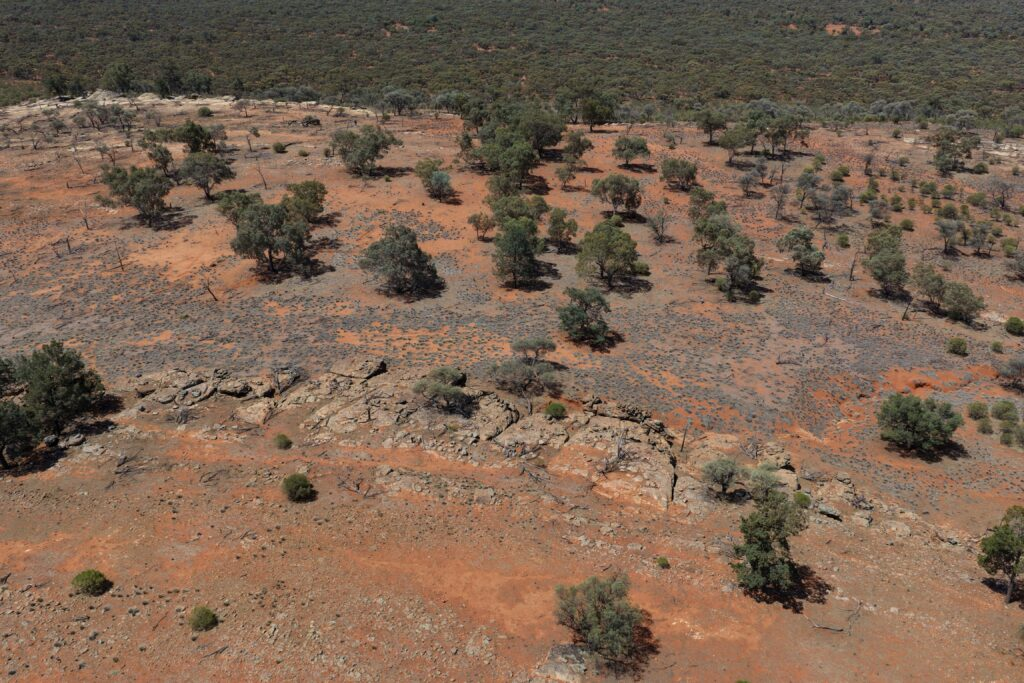
IMAGE: The Nature Conservancy Australia
On Ngiyampaa Country, the sites hold cultural heritage values including rock art in an ancient cave system and parts of the Ngiyampaa songline connecting Mt Grenfell through to Mt Manara.
National Parks and Wildlife Service (NPWS) has committed to work in close collaboration with Traditional Custodians to manage the cultural sites and protect the values and archaeological evidence of the world’s longest continuous culture in perpetuity.
In 2024-25 more than 73,000 visitors were reported to have spent over 193,000 nights in Western NSW national park campgrounds and accommodation.
NPWS say they will conduct feral animal and weed control, all internal road and fire trail maintenance as well as cultural heritage and biodiversity surveys.
The NSW national parks system totals almost 7.67 million hectares, or 9.57 per cent of NSW.
The latest acquisition is seen as a major step towards what is known in conservation circles as '30 x 30', a national goal of protecting 30 per cent of the nation's land and water by 2030.