Fairer dispute resolution pathway opened for NSW irrigation customers

Kristin Murdock
06 February 2026, 3:39 AM
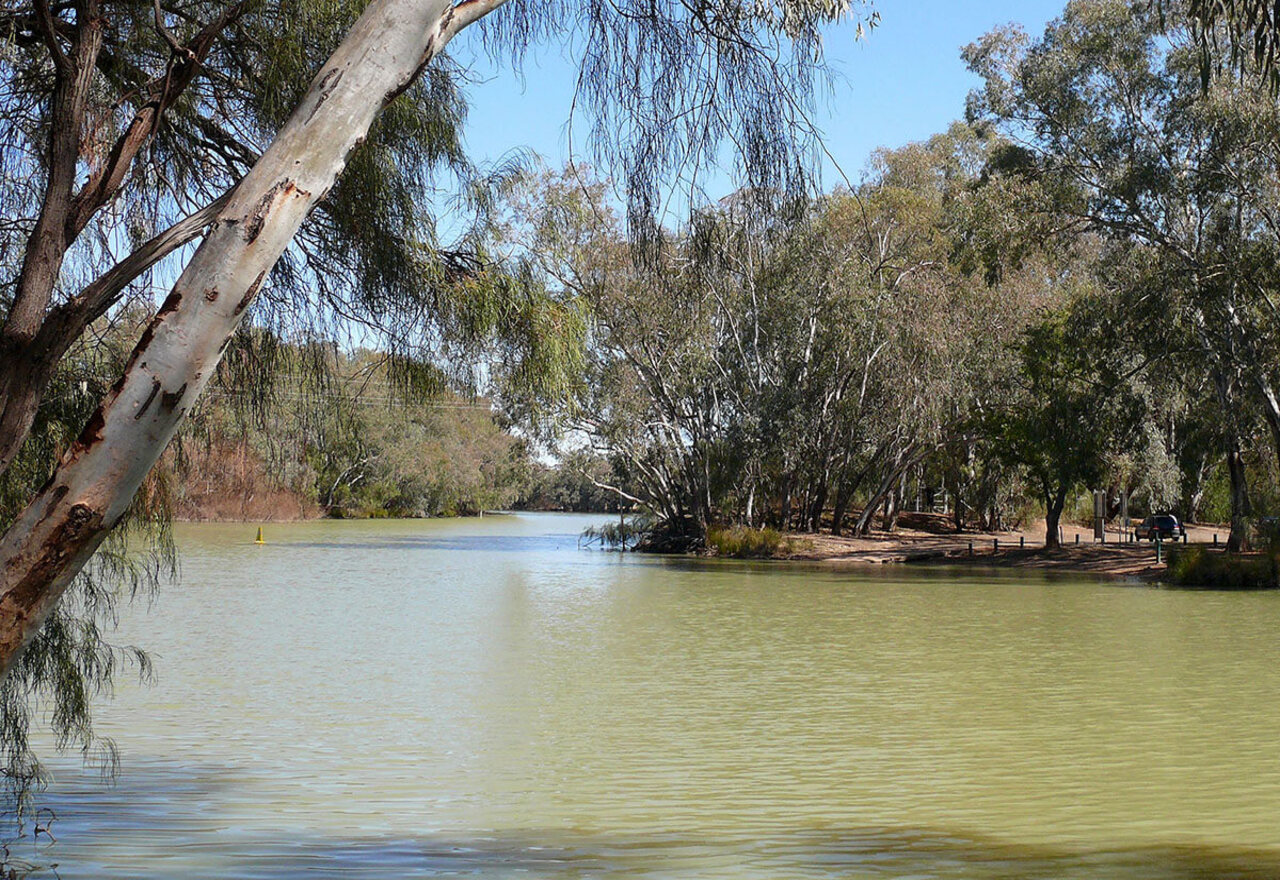 The Macquarie-Bogan catchment is in the central-west, and has an area of 74,800 square kilometres. (Image: NSW DCCEEW)
Water for agricultural purposes is a perennial hot topic and users can fall foul of the complex web of rules and legislation.
Irrigation customers in parts of regional New South Wales will soon have access to a faster and fairer dispute resolution pathway, following reforms supported by the NSW Government.
From July 2026, customers of the state’s five statutory irrigation corporations will, for the first time, be able to seek free and independent assistance from the Energy and Water Ombudsman NSW (EWON) for water-related complaints.
The reform applies to Murrumbidgee Irrigation, Coleambally Irrigation Co-operative, Jemalong Irrigation, Murray Irrigation and Western Murray Irrigation, giving their customers the same protections already available to other water and energy consumers.
EWON will manage complaints relating to water supply issues within irrigation corporations, including billing, affordability, metering, customer service and land access.
The Ombudsman handled nearly 28,000 energy and water complaints last year, and has more than 25 years’ experience in independent dispute resolution.
The change delivers on reforms introduced under the Water Management Amendment (Water Access Licence Register Reform) Act 2024, which requires irrigation corporations to be members of a prescribed dispute resolution body.
Minister for Water Rose Jackson said the reform would strengthen fairness, transparency and confidence in how water is delivered across regional NSW.
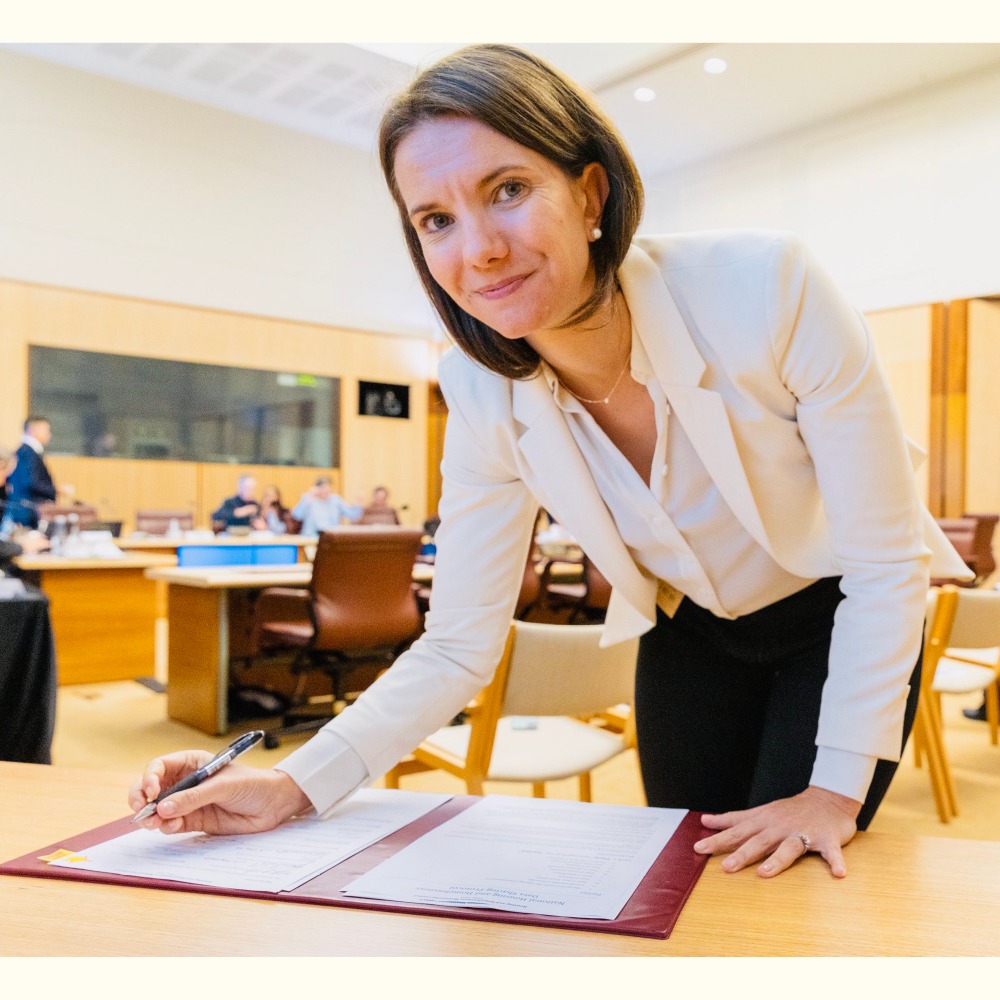
Minister for Water, Rose Jackson said new access by the state’s five statutory irrigation corporations to the Energy and Water Ombudsman NSW will strengthen fairness, transparency and confidence.
“This is about fairness and transparency for irrigation customers,” Ms Jackson said.
“For the first time, farmers and landholders connected to these irrigation corporations will have access to an independent, expert body to resolve their water supply complaints.”
Energy and Water Ombudsman NSW Janine Young said expanding EWON’s jurisdiction would improve consumer outcomes for rural customers.
“Expanding our jurisdiction to include irrigation complaints ensures that customers in rural NSW have access to a fair, independent dispute resolution process,” Ms Young said.
What does this mean for the Western Plains?
While the reform applies to irrigation customers in the state’s major statutory irrigation districts, it does not extend to Western Plains irrigation systems.
Across the Western Plains, river systems including the Macquarie–Bogan, Castlereagh, Barwon–Darling, lower Bogan and the western reaches of the Namoi are not statutory irrigation corporations and do not deliver water as a “service provider” in the way the Murray or Murrumbidgee irrigation systems do.
As a result, these schemes do not fall under the EWON expansion announced by the NSW Government.
Instead, irrigation in the Western Plains is managed through WaterNSW infrastructure and river operations, with water access governed by individual licences and existing regulatory and compliance frameworks.
The NSW Government and EWON will work with the irrigation corporations in the coming months to finalise operational arrangements ahead of the July 2026 start date.