Farmers warn 2026 climate reporting will push up food prices

Kristin Murdock
15 January 2026, 10:40 PM
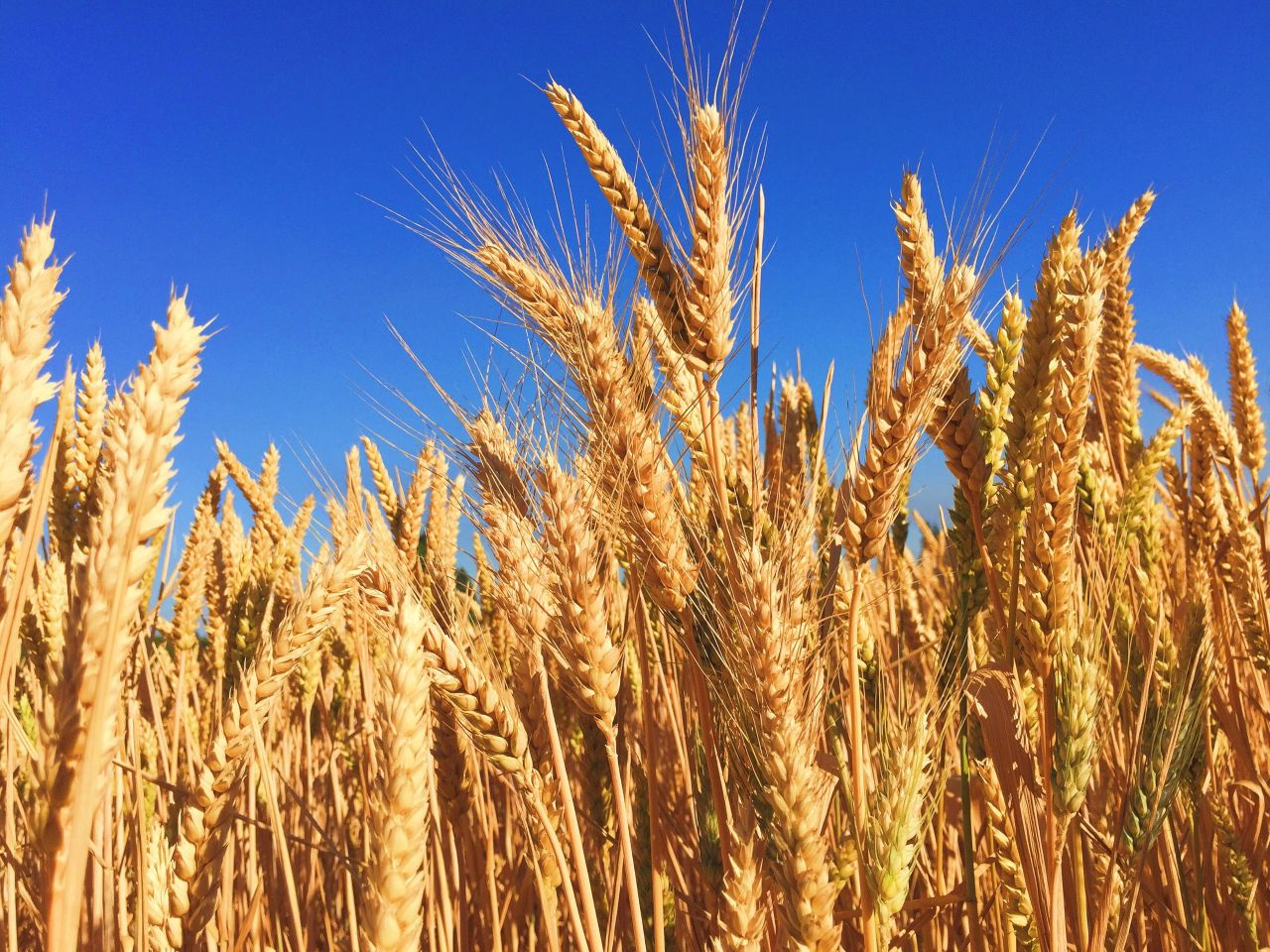
Australia’s climate-related financial disclosure laws, due to expand this month, are being criticised by farm and industry leaders who warn the changes could push up grocery prices and place unsustainable pressure on farmers already operating in a cost-of-living crisis.
Under Labor’s reforms, indirect greenhouse gas emissions reporting, known as Scope 3, began on January 1, extending reporting obligations across supply chains.
While large retailers, processors and banks would be required to disclose emissions, critics argue the practical burden will fall heavily on farmers and smaller businesses.
Nationals leader, David Littleproud said the policy risked increasing food prices and driving confusion throughout the agricultural sector.
“Labor’s Scope 3 in 2026 is an attack on farmers and fresh food that could increase cost-of-living pressures on families,” Mr Littleproud said.
“The changes could make food more expensive amid a cost-of-living crisis, while also causing confusion and uncertainty for farmers.”
Treasury estimates place the regulatory cost of Labor’s climate-related financial disclosure framework at $2.3 billion per year, costs which Mr Littleproud said would inevitably be passed on to consumers.
He also pointed to mounting pressure on growers, noting the 2025 AUSVEG survey found 40 per cent of growers were seriously considering leaving the industry, with compliance and regulation listed among the top three reasons.
“Labor is coming after the agriculture sector once again in 2026,” Mr Littleproud said.
“When supply goes down, prices go up, making groceries even more expensive at the supermarket checkout for families.”
Small farms warn of crushing compliance burden
Some farmers say the additional reporting and administration requirements could be overwhelming for small family farms and that the reporting and more administration will nearly break them.
“We already have so much complicated and confusing compliance, accountability and responsibility and it actually needs to decrease and simplify, not increase,” one said.
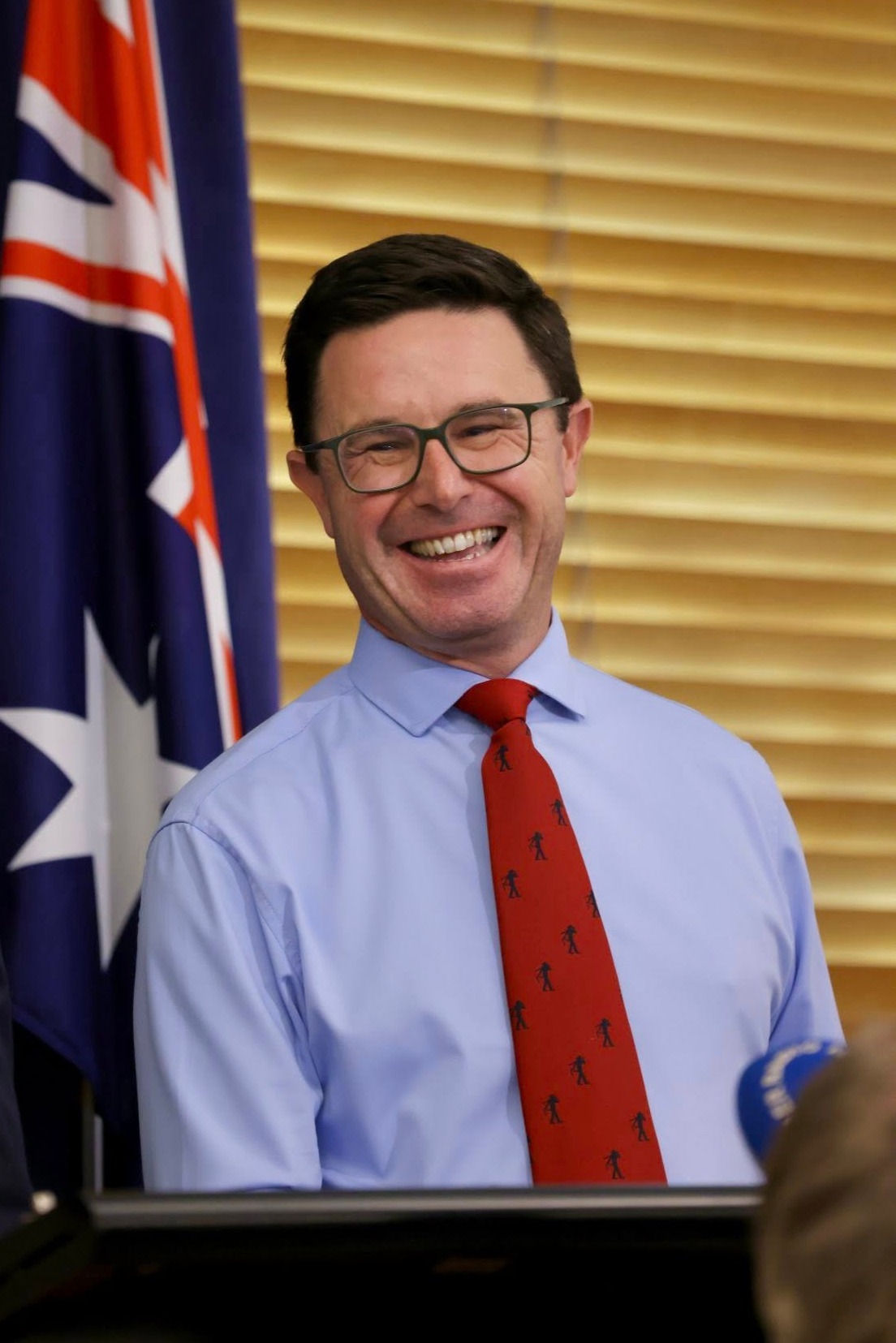
Nationals leader, David Littleproud has been critical of Labor's 'Scope 3' climate reporting.
They claim working through emissions reporting would take significant time and money, with costs ultimately flowing through to consumers.
“These changes will make the produce at least five per cent more expensive to cover the cost of compliance,” one farmer claimed.
NSW Farmers has also raised concerns that the framework would allow large corporations to push climate compliance pressure onto growers, even where alternatives are unrealistic or unavailable.
NSW Farmers Policy Director – Environment, Nick Savage, said the reforms created a hidden burden on food producers.
“There is an inherent dishonesty in our federal government legislating the frameworks of the taskforce for nature-related financial disclosure, the taskforce for climate-related financial disclosure and
Scope 3 reporting requirements,” Mr Savage said.
“These all do, or will soon require, farmers to report and reduce impacts to large supply chain participants, who in turn will exert pressure on, or decline to deal with, those that do not meet their standards that are tied to government goals.”
Mr Savage said farmers were being pushed towards reduced production rather than supported to meet food and fibre demand.
“Farmers need to grow food and fibre, not reduce production,” he said.
“The recording and meeting of arbitrary overseas values and operations, and the inability to meet emissions reductions where alternatives are simply unrealistic, is a problem.”
Uncertainty remains over implementation
Mr Littleproud said key details around Scope 3 implementation remained unclear, including how many agricultural businesses would be captured under the policy.
Of the 1,762 entities currently considered, Labor has not confirmed how many are part of the agriculture sector.
He also said draft guidance intended to help producers navigate emissions data requests remained complex and incomplete, with the first tranche alone spanning 359 pages, and further guidance yet to be released.
Industry groups have warned the government of a “very real risk of unconscionable conduct” by reporting entities against suppliers seeking emissions data to meet Scope 3 obligations.
“The Bill is a green tape bomb,” Mr Littleproud said.
“Compliance costs will inevitably be passed onto families, meaning Labor’s self-made cost-of-living crisis is only going to get worse in 2026.”
The Albanese Government and Treasury have previously said the climate-related financial disclosure framework, which began phasing in from 2025 and will expand to include Scope 3 emissions reporting from January 2026, is designed to improve transparency around climate-related financial risk and align Australia with global reporting standards.
However, as of this week, a specific response addressing concerns raised by farming groups and the Nationals about cost-of-living impacts and on-farm compliance burdens has not been publicly released.