‘Make the right call’: Western Plains rivers under the spotlight this long weekend

Kristin Murdock
23 January 2026, 2:40 AM
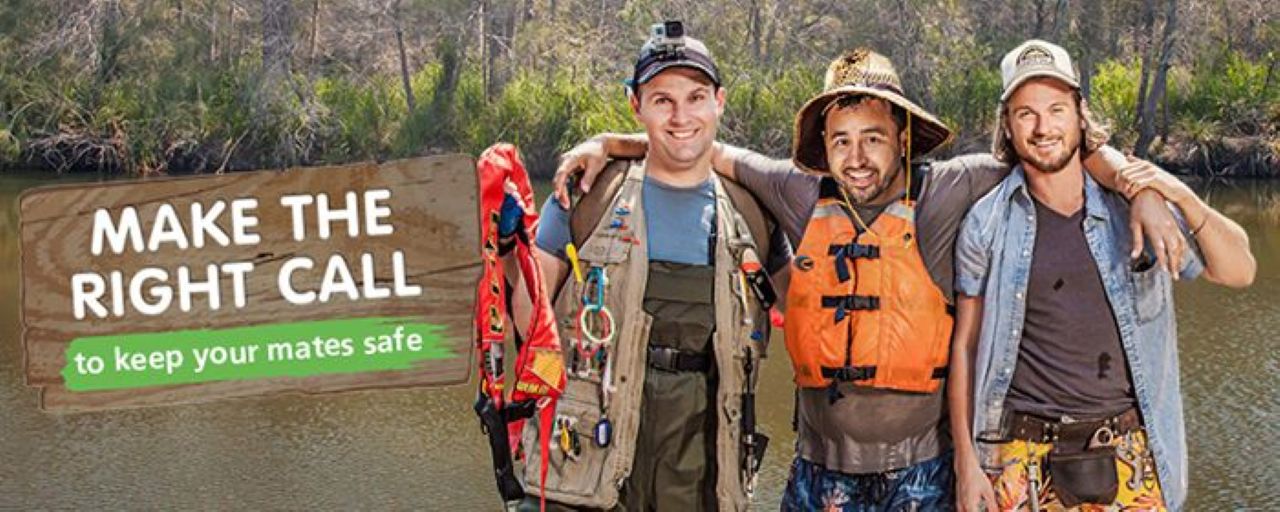
As families and travellers head to rivers, creeks and dams across the Western Plains this long weekend, water safety authorities are urging men to “make the right call” around water, warning that inland waterways remain one of the most dangerous places to swim, fish or boat.
Over the past decade, 2,285 males have fatally drowned in Australia, an average of 228 men each year - fathers, sons, brothers, mates and husbands.
Men now account for around 80 per cent of all drowning deaths nationally.
Royal Life Saving Australia says men continue to be overwhelmingly over-represented in drowning statistics, particularly during holiday periods when social gatherings, travel and alcohol combine with unfamiliar swimming and boating spots.
Inland water ways a major risk
According to the National Drowning Report 2025, released by Surf Life Saving Australia, inland waterways, including rivers, lakes and dams, accounted for 122 drowning deaths, or 34 per cent of all fatalities, with 99 of those occurring in rivers.
The report warns that hidden currents, steep drop-offs and sudden flooding are common hazards in inland rivers - risks that are often underestimated, particularly during warmer weather and holiday periods.
Regional and remote communities, including the Western Plains, face heightened danger due to greater exposure to natural waterways and limited access to lifeguarded swimming areas or formal safety infrastructure.
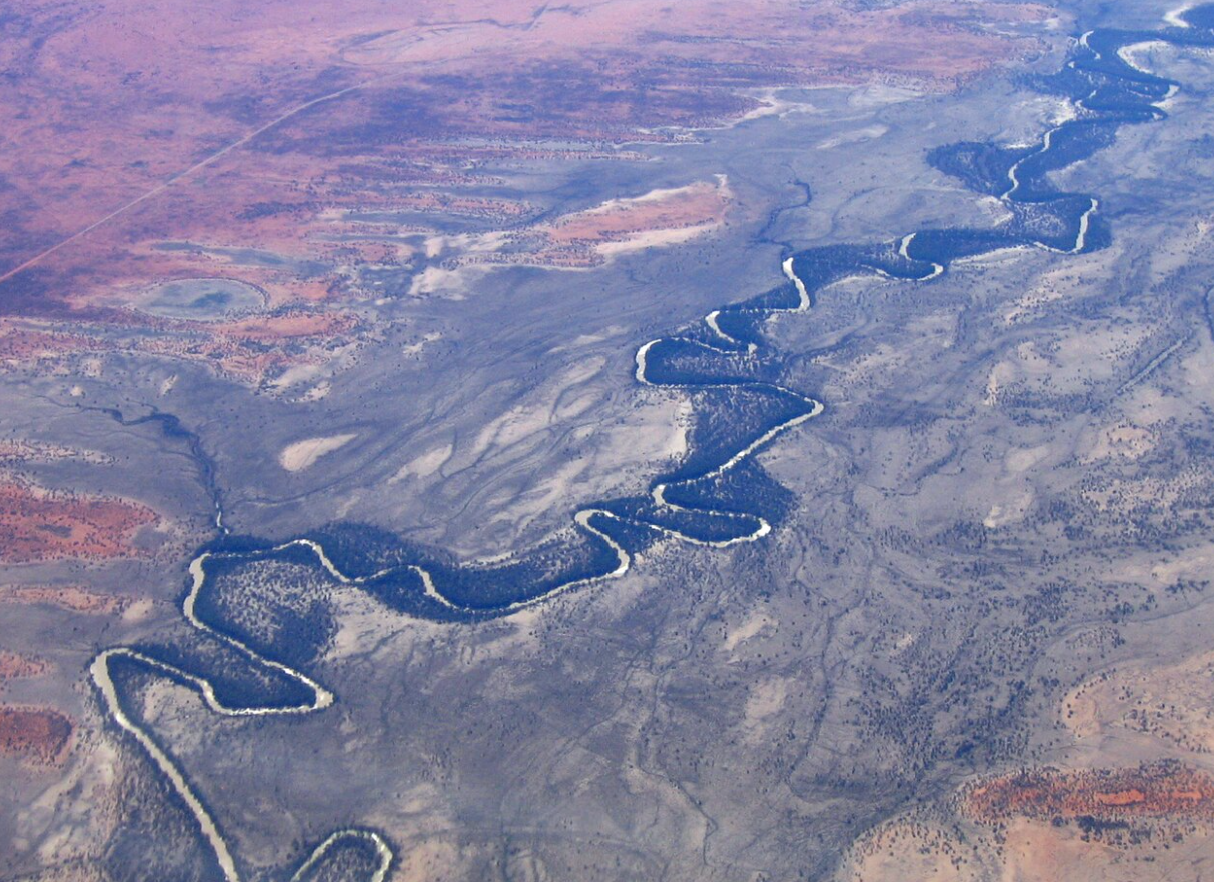
The Darling River is just one waterway in the Western Plains - though beautiful, it can be deadly if not treated with respect.
The data shows drowning rates nearly tripled in regional and remote areas compared to major cities, and doubled for people living in the most socio-economically disadvantaged communities.
More than one-third of drowning deaths involved people born overseas, highlighting the importance of clear safety messaging for visitors and travellers unfamiliar with Australian waterways.
Royal Life Saving Australia says men aged 25–34 years are particularly vulnerable in inland environments, with 42 per cent of drownings in this age group occurring in rivers, creeks, lakes and dams.
Alcohol is a major contributing factor.
Research shows men aged 25–34 have the highest proportion of alcohol-related drowning deaths, accounting for 31 per cent of cases in that age bracket.
As at 20 January 2026, 42 people had already drowned across Australia, with 88 per cent male and 21 per cent aged between 18 and 34 years, underscoring the ongoing risk during summer and holiday periods.
Royal Life Saving Australia Chief Executive Officer Dr Justin Scarr said the message this long weekend was simple.
“We’re asking men to make the right call around water this long weekend and to look out for their mates,” Dr Scarr said.
“We know young men often overestimate their skills and underestimate hazards like currents, water depth and changing conditions - risks that are heightened with alcohol and peer pressure.”
Make the Right Call
In response, Royal Life Saving has launched its Make the Right Call campaign, targeting men aged 25 to 45 and promoting a commonsense approach to safety around water.
The campaign urges people to:
- Avoid alcohol around water, as it affects judgement, balance and reaction time
- Wear a lifejacket when boating, fishing or paddling
- Never go alone, and actively look out for mates
Public holiday long weekends are consistently identified as higher-risk periods for drowning, particularly in inland areas where rivers and dams are popular gathering spots.
Royal Life Saving Australia says small decisions - wearing a lifejacket, skipping alcohol, or sticking together - can make the difference between a good day out and a tragedy.
You'll find more information here.