New 'endangered' listing brings new protection to Macquarie Marshes

Kristin Murdock
16 January 2026, 11:40 PM
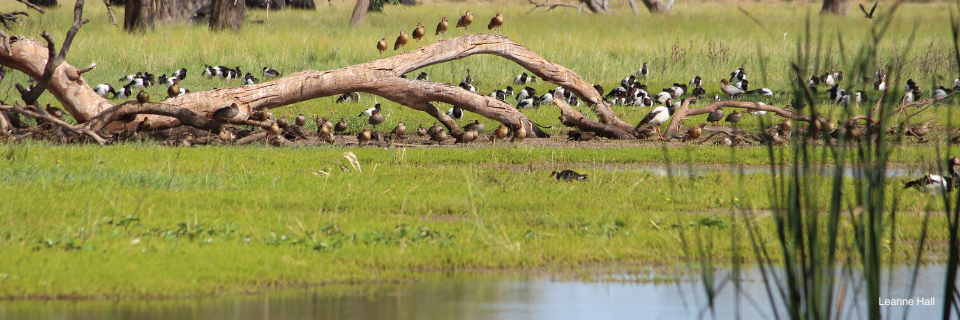 Image: Leanne Hall
Local landholders in the Macquarie Marshes say the decision, announced by the federal government this week, to list the wetlands and inner floodplains as an Endangered ecological community provides long-needed protection for one of New South Wales’ most significant inland wetland systems.
While much of the media focus has been on the announcement of the Lower Murray River as a 'critically endangered ecosystem', Chair of the Macquarie Marshes Environmental Landholders Association and cattle farmer Garry Hall, said people living and working on the Marshes had been advocating for stronger safeguards for many years.
“People of the Marshes have been fighting for this for a long, long time,” Mr Hall said.
“We’ve made submissions for years, going back more than a decade, arguing that these wetlands need stronger recognition and protection.”
Mr Hall said the listing was not about shutting down existing land use or targeting irrigators, but about ensuring future proposals that could further degrade the wetlands were properly assessed.
“This isn’t about stopping what’s already happening,” he said.
“What it does is add another layer of protection so that if someone wants to build more dams, allocate more water, or put in new re-regulation structures, they’ve got to make a powerful case.”
He said the Association, which represents landholders with properties in and around the Marshes, was not opposed to irrigation and recognised its importance to regional communities.
“We’re not anti-irrigation at all,” Mr Hall said.
“Irrigation is a critical part of society and regional economies, but in our area it’s not in balance at the moment.”
Bird life is abundant at the Macquarie Marshes, with over 70 species of waterbirds calling the area home. (Image: Leanne Hall)
Mr Hall said irrigators and communities already operating within existing rules should not be concerned by the endangered listing.
“If you don’t plan to make changes, towns, communities or irrigators don’t need to worry about this,” he said.
“It’s only if you’re proposing to take more water out of an already declining system.”
He said the additional scrutiny could have prevented past developments that landholders believed were inappropriate for the sensitive wetland environment.
“On our own property we run cattle, and we’ve spent two years fighting drilling applications that were approved in the Marshes,” he said.
“If this listing had been in place earlier, it would have stopped those proposals right at the start.”
Mr Hall acknowledged the decision was likely to attract criticism from some sectors and said pushback was already emerging.
“There will be a lot of pushback,” he said.
“This is going to be a big story for a long time, particularly with the next Basin Plan consultations starting soon.”
The Australian Government’s decision also includes listing the Lower Murray River system as Critically Endangered, following independent scientific advice from Australia’s Threatened Species Scientific Committee and a comprehensive federal assessment process.
The listing applies to the River Murray downstream of the Darling River and its connected floodplain systems, including the Coorong Lagoon, strengthening environmental protections and increasing federal oversight of future decisions affecting the river.
The Nature Conservation Council of NSW welcomed the announcement, describing it as overdue but necessary.
“This listing is not a victory, it is an alarm bell,” NCC Chief Executive Jacqui Mumford said.
“A river system that sustains communities and wildlife has been formally recognised as critically endangered – this should shock every Australian.”
Ms Mumford said government scientific advice confirmed the Lower Murray faced ongoing threats from water extraction, declining water quality, invasive species, habitat loss, salinity, erosion and intensifying climate impacts including droughts and heatwaves.
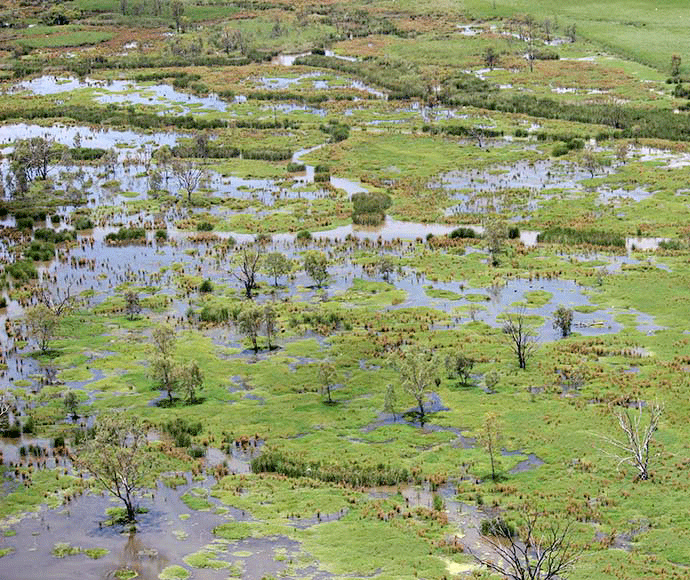
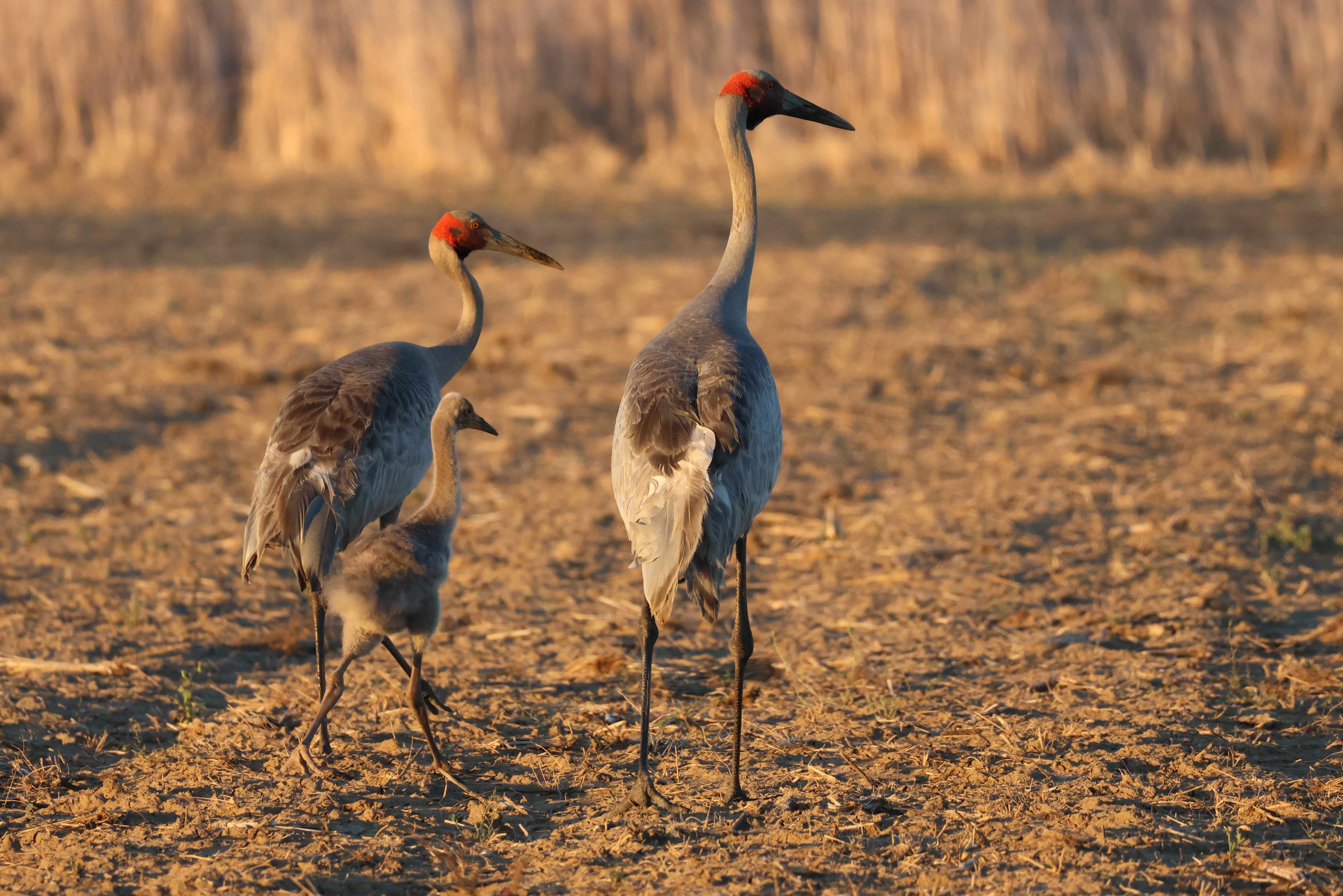
Macquarie Marshes. [IMAGE: Coonamble Times]
The government has also formally recognised the ecological significance of the Macquarie Marshes, which support more than 70 species of waterbirds and include areas recognised as internationally significant Ramsar wetlands.
Mr Hall said the timing of the listings was critical, particularly as planning soon begins for the next Murray–Darling Basin Plan.
“As we head into the next Basin Plan, having the Lower Murray and the Macquarie Marshes formally recognised as being under serious threat really matters,” he said.
“It sets a clear benchmark that these systems are already under pressure and need careful management.”
The Nature Conservation Council of NSW said it would continue working with Traditional Owners, river communities, scientists and partner organisations to push for stronger protections, fair water sharing and long-term river health.