Rental pressures hit regional NSW where it hurts

Kelsi Davis
26 November 2025, 8:20 PM

NSW remains in rental crisis, and while the 2025 Rental Affordability Index (RAI) shows the Western Plains region still has some of the most affordable prices in the state, analysts warn more needs to be done to keep country towns viable.
The 2025 second quarter RAI was released on Monday 24 November, measuring the percentage of an average household's paycheck going towards rent.
Affordability has plummeted in coastal, peri-urban areas and major regional centres on the back of increasing numbers of rental refugees from capital cities, and now rents in more remote areas are also beginning to show the strain.
Experts say the impacts are felt most by those on lower incomes but working households are now being affected and any renters on a single income are likley to be struggling.
SGS Economics and Planning partnered with national non-government bodies National Shelter and Housing All Australians to create the Index, which has been mapping rental affordability around the nation for the past eleven years.
The data has found rental affordability across the whole of regional NSW is now at its lowest on record.
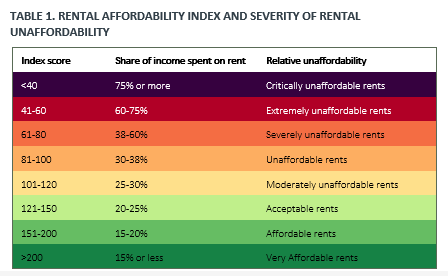
The index ranks postcodes from 'very affordable' to 'critically unaffordable'.
A score of 100 indicates 30% of the average household's income is going towards rent and is considered to be the point beyond which rents tip into the realm of unaffordability.
Regional centres like Bathurst, Orange, Tamworth and Dubbo, previously considered Acceptable, are now Moderately unaffordable.
SGS Economics and Planning senior associate Kishan Ratnam says the increase in rental unaffordability in regional NSW can be linked to current internal migration trends.
"Since the pandemic, there's been this big change where people have decided to move out of big cities into regional areas," Mr Ratnam says.
"That puts up demand for housing and now we see very low vacancy rates."
Executive director of the project Ellen Witte says the influx of city migrators into rural areas pushes up the rent in these areas.
"Households from the cities often bring with them their paychecks form the cities," she says.
"Wages in greater Sydney are 28% higher than their regional counterparts."
The analysts say rents are increasing at a faster rate than incomes across regional NSW.
What's what in the west
The data shows rental prices in the Western Plains are now costing around 15-20% of the average household's paycheck.
None of the post codes in the region west and north of Dubbo crossed the threshold above 30% of income spent on rent.
Most of the region averaged between the affordable and very affordable rent categories, with exceptions in Narromine which scored 122 in the RAI to be classed as 'moderately unaffordable'.
Over time the index shows erratic spikes throughout Western Plains areas, but overall rent averages remain affordable.
Despite this trend, median rental prices in the Western Plains region has increased throughout the years of the index, gradually putting the squeeze on households - and businesses trying to recruit workers.
Condobolin has seen the biggest climb in median rents in 2025, with a 37 point change from April to July.
Over the 12 month period to July 2025, Warren and Cobar are in the top 10 regional towns where unaffordability has crept closer.
Warren is second on the list with a score in 2025 of 196, down 30 points from 226 a year ago.
Affordability in Cobar also fell from 208 to 192, or 16 points.
Comparatively both towns are still a lot more affordable than many in regional NSW.
Over the past 10 years Nyngan is the only Western Plains town in the top 10 of declining affordability, dropping 44 points from 174 in 2015 to 130 in 2025, with the 5th greatest decline in regional NSW.
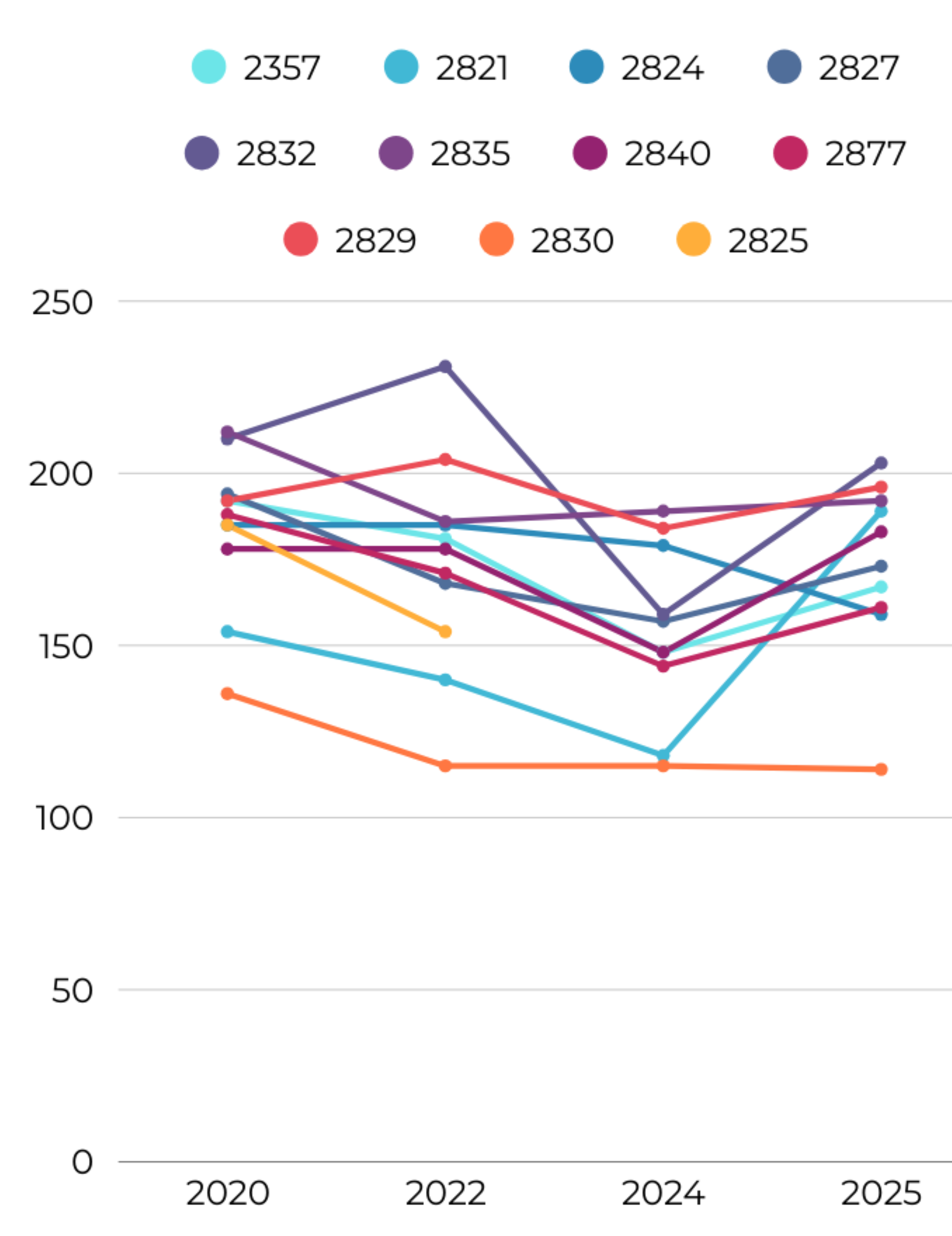
Western plains postcode areas available on the RAI. Please note not all postcodes are available for all years. [SOURCE: Rental Affordability Index November 2025]
With rental vacancies hovering between 0 and 1% in many western plains towns, rental prices do fluctuate substantially while still remaining relatively affordable.
But both the shortage and price of rentals is now hitting small towns where it hurts.
Recruiting both essential workers and the wider workforce is made much harder due to lack of available and affordable housing.
No single solution
National Shelter Chair John Engeler says a team effort is needed to ease the rental pressure.
"The government alone can't solve this and won't ever be able to," he says.
"There are things all levels of government can do.
"We need to do more for key workers to keep towns viable."
He says there are levers the Commonwealth Government can pull to ease rental tension while councils can work on the ground to help promote cheaper rent on a local level.
"Some local councils can go a long way to do a lot more," he says.
"Local councils have a role, as well as the State and increasingly the Commonwealth to do something about this."
He cites the federal government's 'build to rent' initiative aimed at promoting the construction of 80,000 dwellings across Australia but it is considered unlikely to benefit western plains towns.
In places like Nyngan, Narromine and Gilgandra, local councils have been pushing ahead with new residential subdivisions to help increase the overall supply of housing.
Essential worker housing such as new police or health worker housing is also making some contribution in Bourke, Warren and Coonamble.
NEWS