The Summer Solstice down under: A celestial perspective

Donna Burton
22 December 2025, 6:40 AM
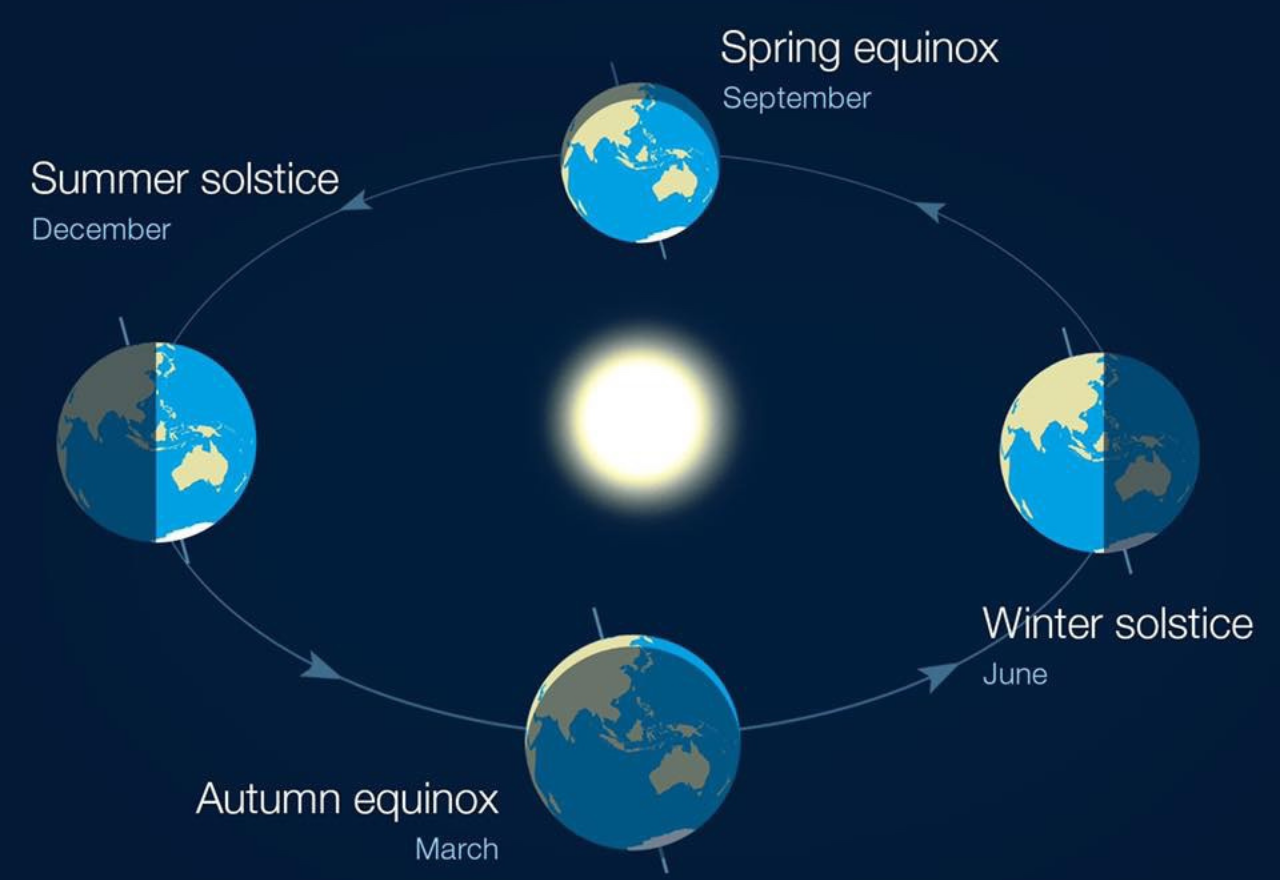 Celebrate today's summer solstice.
As we approach the summer solstice at 2:02 AM AEDT tonight (22 December 2025), it's a moment ripe for reflection and celebration here in the Southern Hemisphere.
This solstice marks the longest day of the year, when the sun reaches its zenith in our skies, casting long shadows and bathing our landscapes in golden light.
The Tropic of Capricorn, located at approximately 23.5 degrees south of the equator, plays a vital role in this celestial event.
During the summer solstice, the sun is directly overhead at noon along this line, making it the southernmost point where the sun can be at its zenith.
For us in the Southern Hemisphere, this means longer daylight hours, warmer temperatures, and heightened solar intensity.
The sun’s positioning directly impacts our weather patterns, ecosystems, and agricultural practices, ushering in the peak of summer.
At the same time, our friends in the Northern Hemisphere are grappling with winter during their solstice, occurring simultaneously.
While they brace for shorter days and colder weather, we embrace warmth and extended sunlight.
This contrast highlights the unique experiences each hemisphere has during this celestial event.
So, what exactly is a solstice?
At its core, a solstice occurs when the sun reaches its highest or lowest point in the sky as seen from Earth, leading to the longest and shortest days of the year.
The summer solstice signifies when the sun is directly over the Tropic of Capricorn and has been celebrated across cultures for centuries, symbolising renewal and hope.
Many societies create festivals and rituals to honour the sun, reflecting the deep cultural significance of this astronomical phenomenon.
However, amidst the joys of longer days and the beauty of our vibrant summer, we must acknowledge the pressing environmental challenges we face today.
As the planet warms and climate variability becomes increasingly apparent, the solstice serves as a powerful reminder of our connection to the Earth and our duties as its caretakers.
As stargazers and sustainable advocates, we have an opportunity to merge our love for nature with pragmatic actions that benefit the environment.
This summer solstice, I invite you to ponder how we can honour our celestial wonders while championing conservation efforts.
Let’s take this time to reflect on our relationship with the universe and our responsibility to protect our planet.
Together, let’s explore the possibilities and celebrate the beauty of the summer solstice in all its glory.
Clear skies!