Unlicensed spray operators on notice in Western Plains blitz

Kristin Murdock
02 December 2025, 1:40 AM
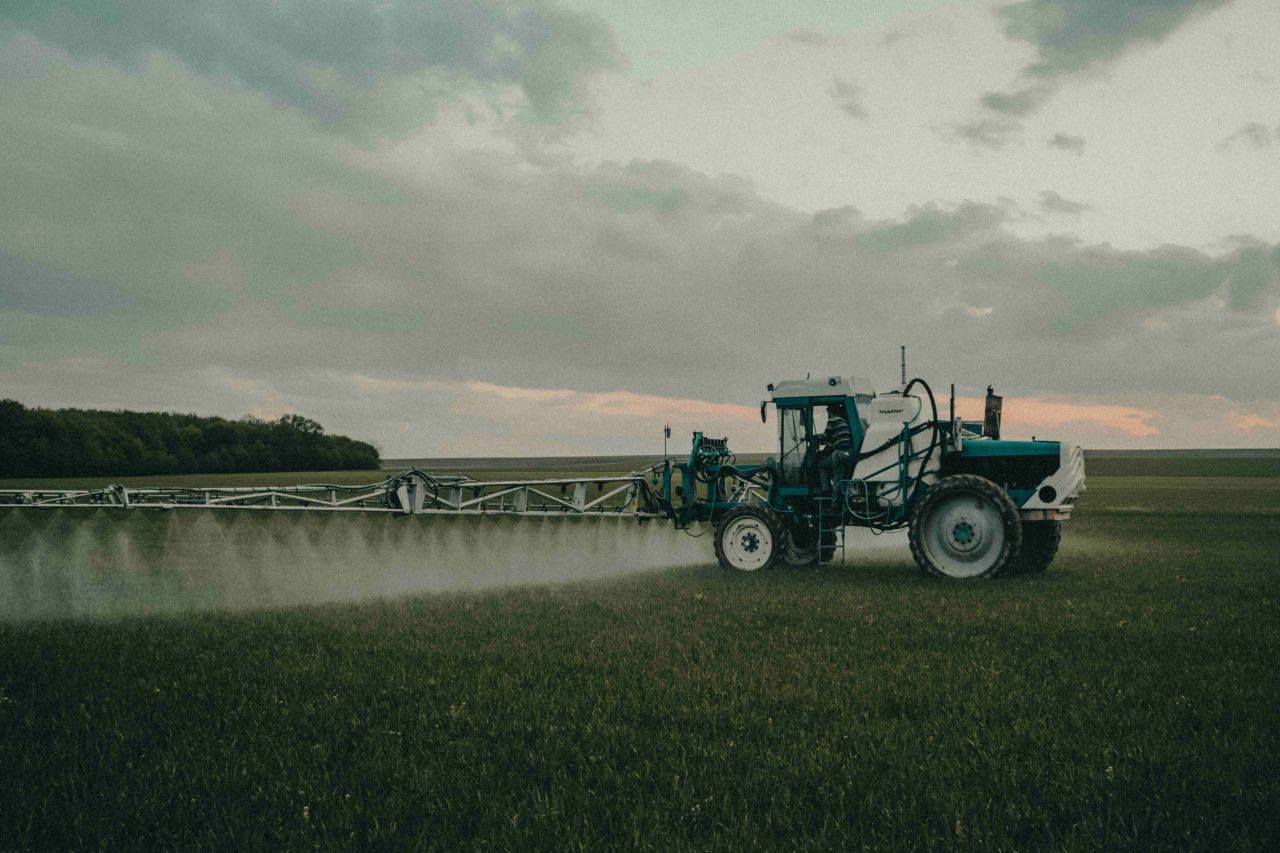 Farmers or employees using pesticides on the ground on their own land a family member’s land do not need a licence but complete an initial pesticide training course and refresh that training every five years.
The NSW Environment Protection Authority (EPA) is urging farmers, contractors and rural businesses to double-check their pesticide licences and training as a new compliance blitz begins across the northwest.
With spray season underway, EPA officers will inspect operators in Moree, Walgett, Narrabri, Brewarrina, Warren, Coonamble, Gilgandra, Gunnedah and surrounding districts to ensure anyone applying commercial pesticides is properly accredited.
EPA Director of Operations Scott Kidd said the agency had received increasing reports of unlicensed operators carrying out pesticide and herbicide spraying across NSW.
“We know how important pesticides and herbicides are for crop yields and pest control, but these chemicals must be used safely and according to the label to prevent impacts on off-target plants and animals,” Mr Kidd said.
“Safe spraying isn’t just good news for the environment and your neighbours; it can also save you money and time by making sure these chemicals are only used for their intended purpose.
“If you’re using pesticides, you need to check if you require a licence or accredited training, including follow-up refresher courses every five years.
“If you’re hiring out for bigger jobs, you should only be paying an operator who is fully licensed and accredited to avoid the risk of damage.”
Who needs a licence?
Under NSW law:
- Farmers or employees using pesticides on the ground on their own land—or a family member’s land—do not need a licence.
- This includes using aluminium phosphide tablets or chloropicrin for vertebrate or invertebrate pest control.
- However, they must complete an initial pesticide training course and refresh that training every five years, unless covered by an EPA-approved industry quality assurance scheme.

If you use pesticides on a farm, in a market garden or for production horticulture, you must undertake special training, use and dispose of all pesticides safely, and keep proper records.
The EPA issues pesticide control orders for certain high risk pesticides to more specifically regulate their use or application.
Note that if you use pindone or 1080, you must undertake special training.
- Anyone applying pesticides from an aircraft, including drones and helicopters, must hold licences from both the Civil Aviation Safety Authority and the EPA, and must complete the required pesticide training.
- Operators who spray pesticides for a fee or as a service require a Ground Applicator Licence.
- People who use pesticides in agricultural operations must complete recognised training every five years unless they qualify for a small-use exemption.
Landholders and businesses can search the EPA’s Public Register to check whether a contractor’s licence is current, what type they hold, and whether they meet legal requirements.
Summer spraying advice
To reduce the risk of damage this season, the EPA is urging all pesticide users to take extra care, starting with reading and following the product label, keeping accurate spray records, checking weather conditions before and during application, and making sure they have the appropriate training for the chemicals they are using.
The agency also emphasises the importance of ensuring that anyone hired to carry out spraying is fully licensed and accredited.
The EPA is reminding landholders that all commercial spray operators must hold a current Ground Applicator Licence, and anyone using pesticides should confirm whether training or licensing applies to their situation before the summer spray period intensifies.
Mr Kidd said unlicensed operators were a growing concern in the northwest, and urged the community to help reduce the risk of off-target damage.
“If you’re hiring out for bigger jobs, you should only be paying an operator who is fully licensed to avoid the risk of damage,” he said.
Anyone wanting to confirm a contractor’s status can use the EPA’s online tool to check whether a person or business holds the correct licence, what type it is, and whether it is up to date.
Check a pesticide licence here.