Why staying connected matters more than ever

Kristin Murdock
24 January 2026, 11:40 PM
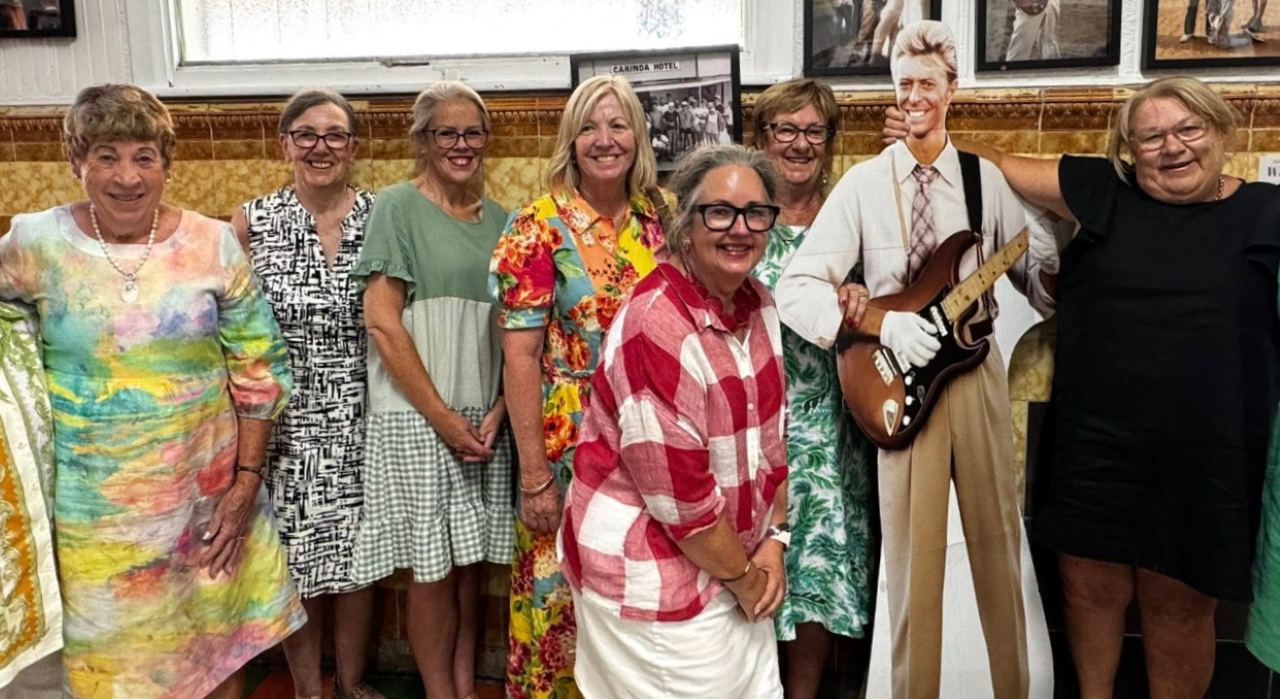 A recent trip to Carinda by the Coonamble CWA - Evening Branch, is a fantastic example of social connection being vital for health.
Strong connections with neighbours, friends and the wider community - a hallmark of many Western Plains towns - may play an important role in protecting mental wellbeing as people age, according to new Australian research.
A study by the Centre for Healthy Brain Ageing (CHeBA) at UNSW Sydney has found that social connections in later life are shaped far more by environment and life experience than by genetics, reinforcing the importance of community-based interaction.
The research, published in the British Journal of Psychiatry, analysed data from more than 560 twins aged 65 and over across six years as part of the Older Australian Twins Study - one of Australia’s
most comprehensive ageing research projects.
Researchers identified three main types of social connection: spending time with friends, neighbours and the community; interacting with family or providing childcare; and participation in religious or community groups.
All three were found to be only weakly influenced by genetics, meaning they are largely shaped by a person’s surroundings and lived experience.
Lead researcher and social health expert Dr Samtani said the findings were encouraging.
“Because social connections are not strongly determined by genes, they are highly modifiable,” Dr Samtani said.
“This means programs and policies designed to boost social engagement can genuinely make a difference for older people.”
Importantly, the study found that older adults who interacted more frequently with friends, neighbours and community members experienced lower levels of depressive symptoms, both at the beginning of the study and six years later.
Even modest increases in social interaction were associated with measurable mental health benefits.
For many Western Plains communities, these findings often reflect everyday life, where social connection is built into routine activities and shared experiences.
In December, members of the Coonamble CWA Evening Branch provided one such example, travelling in three carloads to Carinda for their end-of-year gathering.
Choosing the hottest day of the year for the trip, members and friends gathered at the Carinda pub, made famous after David Bowie filmed scenes for Let’s Dance there and now owned by local publican Maz and her family.
The visit came just a year after Carinda was severely impacted by damaging weather, with rebuilding efforts still underway.

In the busy hustle and bustle of life, it's easy to forget the importance of social connection.
Branch members described the trip as an encouraging reminder of the determination of small communities and an example of country hospitality at its finest, marking a positive end to a busy and successful year.
Co-author Dr Anne-Nicole Casey said the twin-based design of the study allowed researchers to better understand what truly shapes social lives in later years.
“Looking at twins is particularly powerful because they share genetics and early environments, allowing us to see what is truly unique to individuals,” Dr Casey said.
“In this study, it became clear that it was people’s own life experiences that mattered most.”
She said social connections were dynamic and changed over time, with friendships, family relationships, neighbours and community groups all playing meaningful roles as people age.
While loneliness and social isolation are known risk factors for dementia, the study did not find strong evidence that social interaction predicted changes in cognitive function over the six-year period.
Researchers noted that larger studies and longer follow-up timeframes may be needed to detect more subtle cognitive effects.
With Australia’s population ageing rapidly, researchers say understanding what supports healthy ageing is increasingly important.
Depression, anxiety and dementia remain among the leading causes of disability worldwide, while social isolation continues to rise, particularly among older Australians.
The findings strengthen the case for community-focused programs, inclusive local design and services that actively promote connection, especially in regional areas where social interaction is often part of everyday life.
“Encouraging older adults to engage with local groups, stay connected with neighbours and participate in community life can be a powerful tool in supporting mental wellbeing,” Dr Samtani said.
For Western Plains towns, the research reinforces the value of maintaining strong local networks, not just for community spirit, but as a practical contributor to long-term mental health.