Binnaway begins water restrictions while Coonamble still boiling drinking water

Farren Hotham
09 February 2026, 7:40 PM
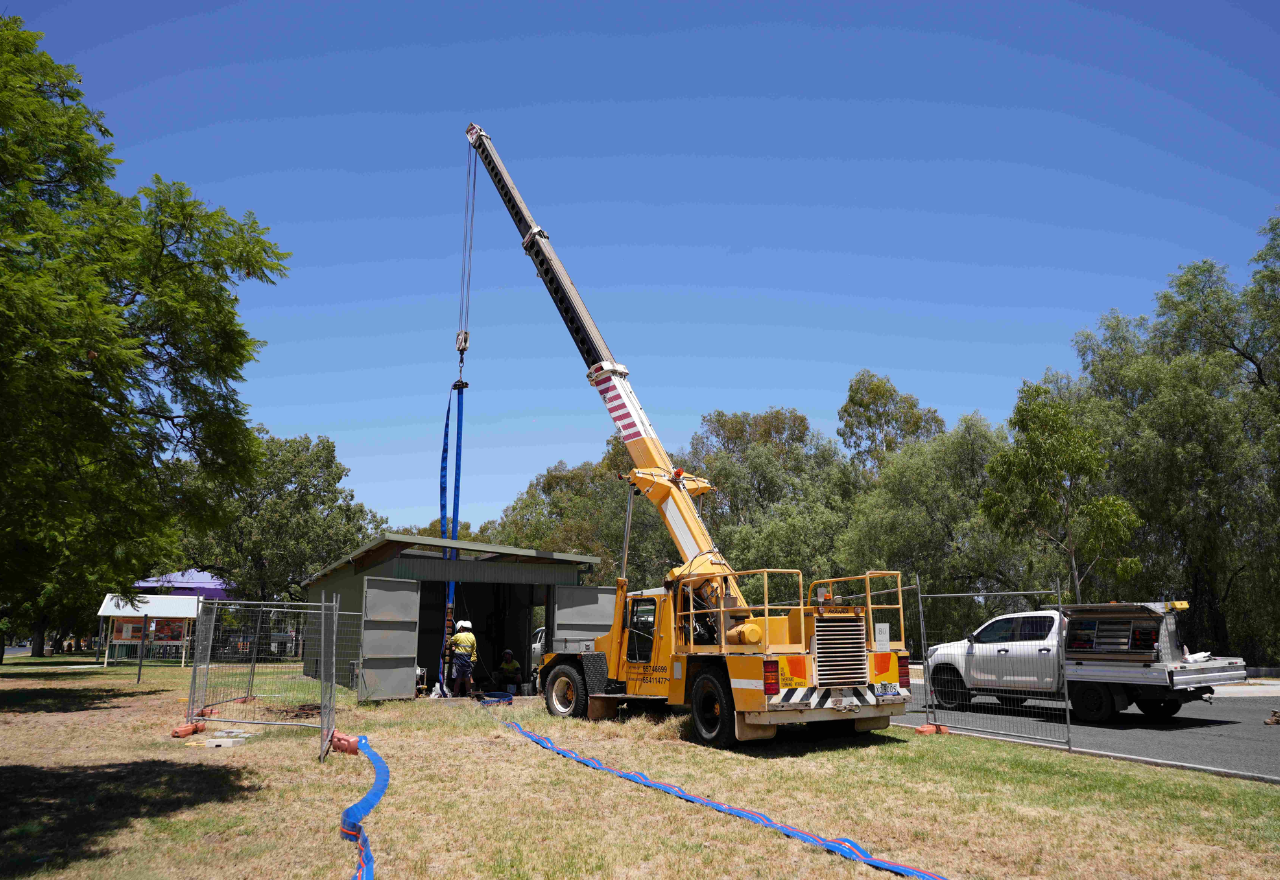 A third bore brought on line in Coonamble brought extra challenges for council staff. [IMAGE: Coonamble Times]
Binnaway's community is the latest to face water restrictions over concerns of a major shortage of water, with new limits imposed from midnight last night, Tuesday 10 February.
Council has opted to only implement the restrictions in Binnaway at this time, despite high water demand, prolonged warm weather, high evaporation rates and limited rainfall across the LGA.
The decision has been made to help preserve the town’s water supply, sourced from the Castlereagh River, for the community.
Cr Rindfleish said, “The restrictions are a proactive step and a reminder that the community may be heading into a drier period.
“Now is the time for everyone to start getting into the habit of being water wise.
“Small changes made early can make a real difference in helping us protect local water supplies and avoid tighter restrictions later on.”
The community of Coonabarabran may be next, with the Timor Dam forecast to reach the Level 1 trigger of 70 per cent capacity during the week commencing 16 March if there is no significant rainfall, based on current and predicted water demand levels. It is currently at 79 per cent.
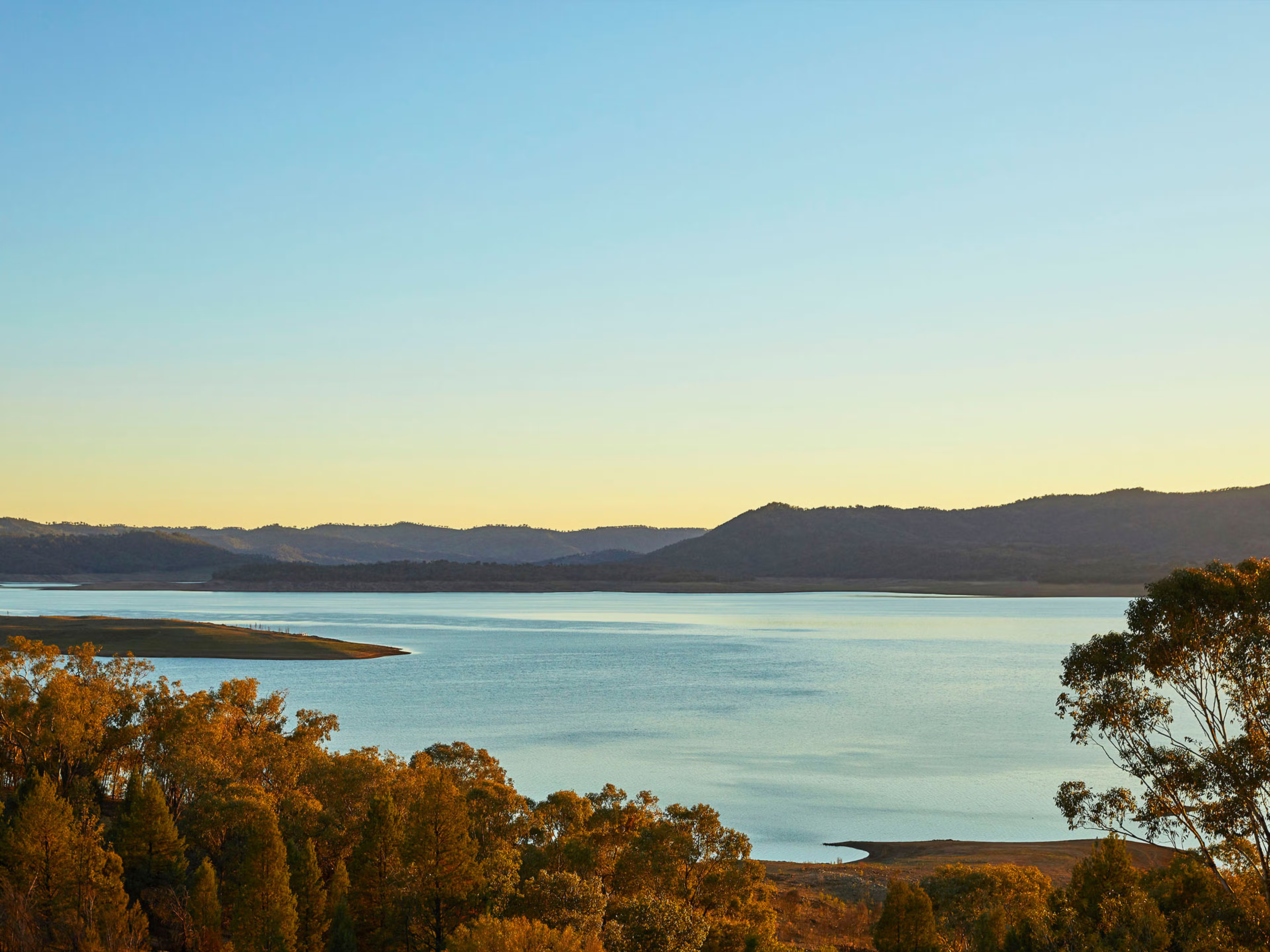
Timor Dam, in the Warrumbungles, is being watched closely.
For the communities of Mendooran, Merrygoen and Dunedoo, Warrumbungle Council will continue to monitor water supplies closely and will implement water restrictions if required.
In Bogan Shire, where restrictions began last November, Mayor Glen Neil says drastic measures may soon be required in case of worsening conditions.
‘’Water in our Shire is starting to become a real concern particularly for our small villages.
"Girilambone and Coolabah are moving to level 5 restrictions and if we don’t get the forecasted rain over the next couple of weeks we will need to start carting water to the villages for crucial water supply.
"Hermidale has been lucky enough to be able to access water at a cost from the Cobar pipeline which will continue to be purchased until the ground tanks fill.’’
Work has commenced on the construction of the pipeline on the emergency bore site located on the Old Warren Road, Nyngan, to provide water security if the storage dams run dry.
"This will provide critical human needs water to Nyngan in the event that we are unable to access water from the Macquarie River through the Albert Priest Channel," said Cr Neil.
In Narromine, the bore pump which failed on January 29 now been successfully replaced, allowing Narromine Shire Council to restore Level 2 (Moderate) Water Restrictions, following the temporary Level 5 restrictions announced on Friday 30 January.
Council's General Manager Jane Redden praised residents for their excellent water conservation efforts during the extreme heat which played a vital role in maintaining the water supply while urgent repairs were carried out.
The Level 2 restrictions are not due to a shortage of water, but are necessary to ensure the Narromine Water Treatment Plant can continue to operate within capacity while meeting demand across the entire network.
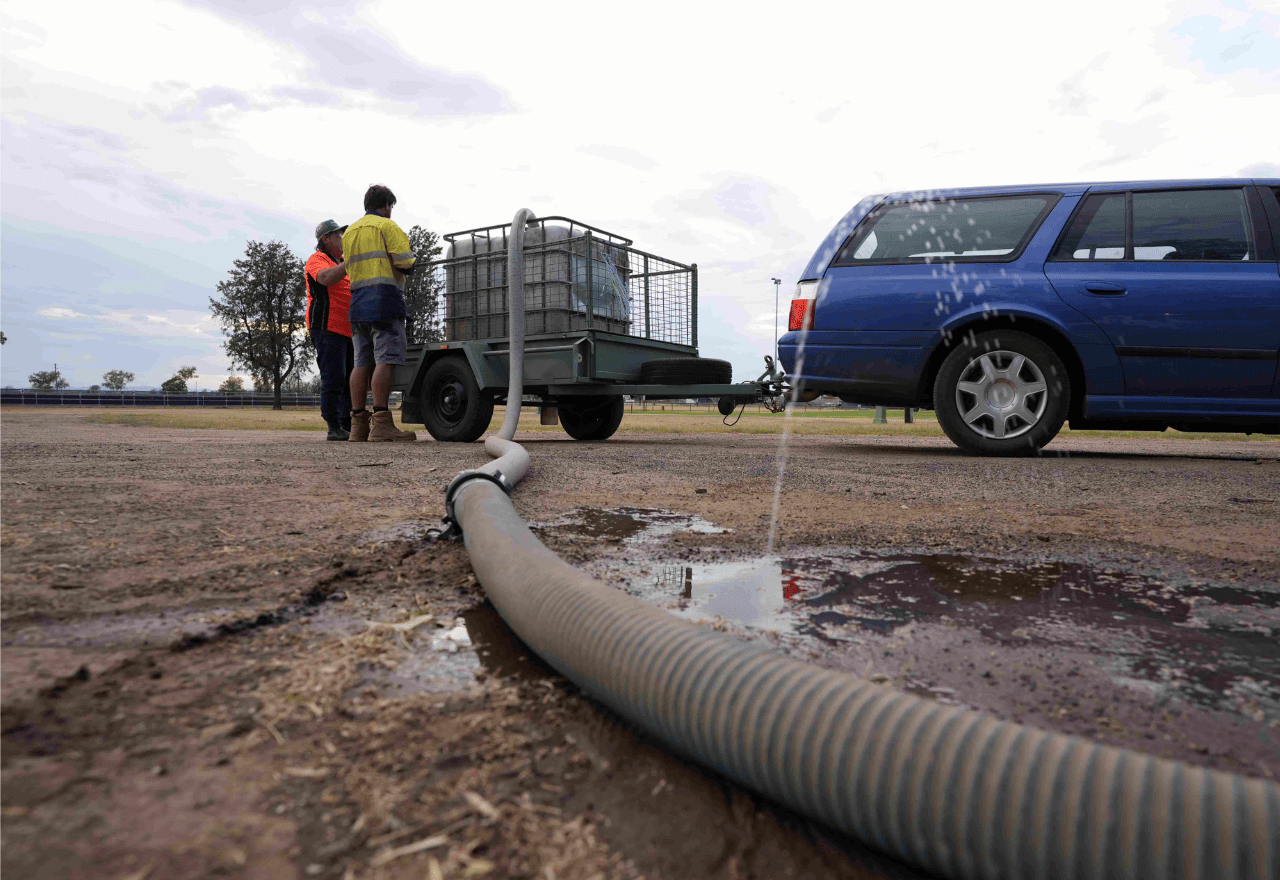
Residents in Coonamble could collect unfiltered river water for household use. [IMAGE: Coonamble Times]
In Coonamble, a 'boil water' alert remains in place although strict water use limits, where town water could only be used for drinking and food preparation, personal hygiene and essential household needs has eased slightly to allow for limited overnight garden watering.
The 'strict and immediate' restrictions came into force on Wednesday 28 January amid the period of extreme heat.
The filters in the town's Water Treatment Plant were unable to keep up with the huge demand.
Council made available free bottled water and access to up to 500 litres of river water per household from the town's showground.
By Friday 6 February, council had re-directed their artesian bores to push untreated water into the town's reticulation system.
However, the abnormal water pressure found weak points in the ageing water mains, breaking out in several places so that private contractors had to be brought in to assist exhausted council staff.
Although the temperatures have receded for now, the struggles for local councils to keep communities supplied with clean and reliable water continues.