Unequal interlock program access - NSW Government responds to questions

Kristin Murdock
07 February 2026, 8:40 PM
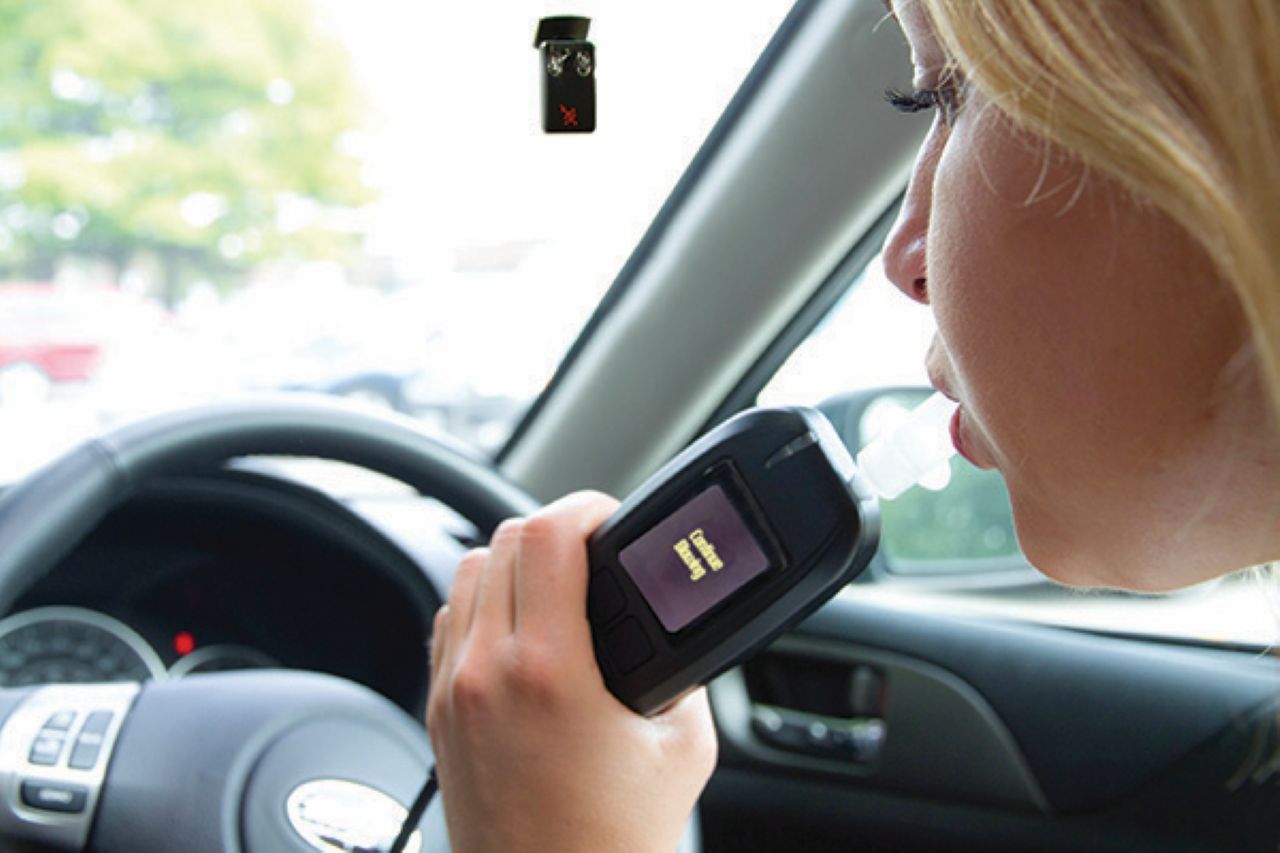 Image: Queensland Government
Alcohol ignition interlock requirements are placing significant travel and cost burdens on drivers in remote parts of western New South Wales, despite assurances that services should be available within 150 kilometres of participants’ homes.
Independent Member for Barwon Roy Butler raised the issue in Parliament at the end of 2025, questioning the Minister for Roads and Regional Transport about how the Alcohol Interlock Program operates in regional and rural areas.
Now, those in the western plains who don't have reasonable access to interlock servicing have a chance to let the decision-makers know.
In a question asked on 22 December, Mr Butler highlighted the limited availability of approved interlock installers outside major centres and asked how drivers are expected to comply when they live long distances from service providers.
In a response during the latest sitting of parliament, the Minister advised that NSW-approved interlock providers are “expected to have the capability to provide interlock services within 150 kilometres (straight-line distance) of any participant’s home or work address”.
“If an offender cannot locate an agent within 150 kilometres of their home or work address, they should contact Transport for NSW,” the response said, adding that Transport for NSW would work with providers to try to secure a suitable agent.
Participants living in remote and very remote areas are eligible for extended servicing intervals of up to 90 days, compared with 30- or 60-day intervals in metropolitan and regional NSW.
Financial assistance is also available, with approved providers required to offer a concessional rate of 35 per cent off standard costs for eligible participants.
However, the Government confirmed it is not considering exemptions based on location, unlike Queensland, where drivers living more than 150 kilometres from an installer can apply for an exemption.
“Transport for NSW is not considering expanding the exemption criteria under section 212 of the Road Transport Act 2013 to include exemptions based on location,” the Minister’s response stated, noting exemptions can only be granted by a court at the time of conviction.

Member for Barwon, Roy Butler said there are inequities between some regional interlock users and those who live in, or close to an urban setting.
The policy settings are being felt acutely by some regional drivers.
One Lightning Ridge–Grawin resident, who asked to be identified as Sam, said they had travelled to Dubbo three times in four weeks to service their interlock device - an eight-hour round trip.
“I’ve had no alcohol breaches, but I’ve had two unscheduled services,” Sam said.
Sam said work commitments, mechanical issues and the lack of weekend servicing options left them with few choices.
“It was either pay for an extension code or have my car permanently lock and need to be towed to Dubbo,” they said.
The most recent unscheduled service, Sam said, took five minutes but cost more than $300 once servicing fees and fuel were included.
Sam makes no excuses for the reason they are in this situation.
“I understand the consequences of drink driving, it was the stupidest thing I’ve done,” Sam said.
“I gave up drinking the next day and haven’t touched alcohol since.”
“But people living in larger towns or cities are not being penalised the way we are.
"If I lived in Dubbo, this would be a completely different story.”
Mr Butler has also questioned how Queensland interlock exemptions are treated when drivers move interstate.
The Government confirmed that offenders who completed the program in Queensland would not be required to participate in NSW unless they committed a new offence, while those still subject to
Queensland interlock conditions would be required to continue under NSW law.
The issue continues to raise concerns about equity and access for remote communities across the Barwon electorate.
Read our earlier story Calls for equal access to interlock services.