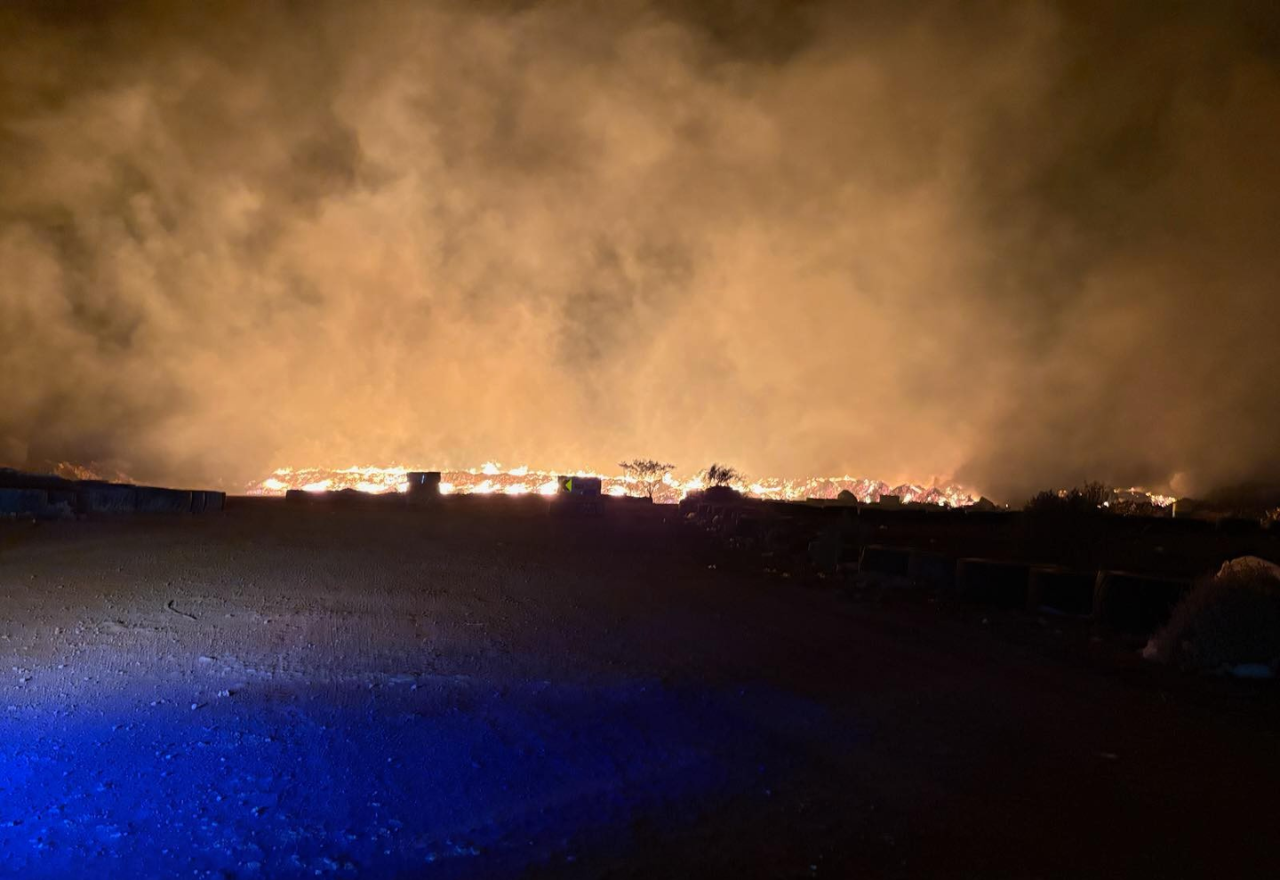
Calls for more to be done about feral pigs

River McCrossen
09 February 2026, 3:35 AM
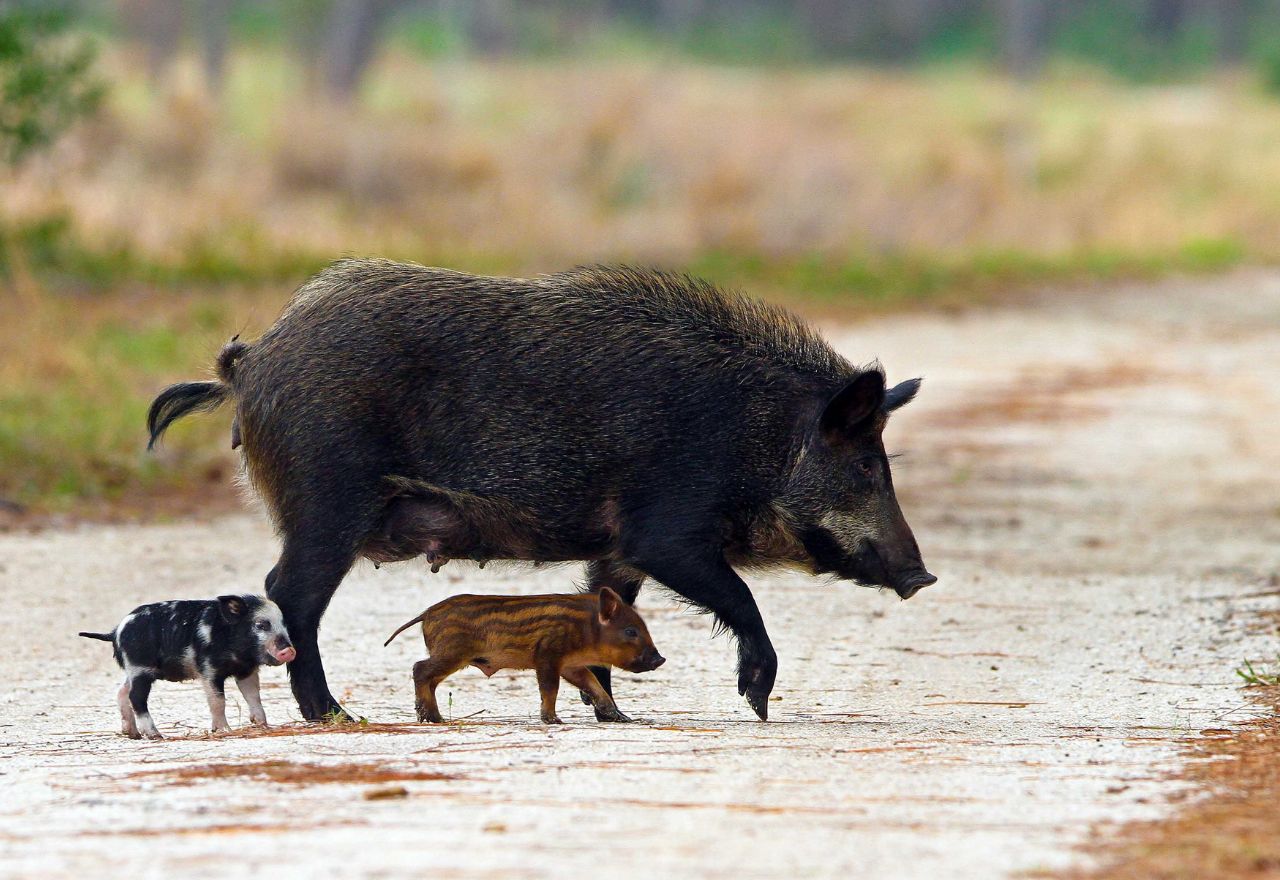 [IMAGE: Craig O'Neil/ Flickr]
The president of Walgett's NSW Farmers branch, Cameron Rowntree, says the NSW Government should consider rebates for farmers culling pigs after Local Land Services (LLS) reported removing only 53,000 of the feral animals over the last 12 months despite the problem being estimated to be in the millions.
Mr Rowntree is paying more than $1000 an hour for helicopter shoots, including ammunition, every six to eight weeks to keep the population in check on his property.
He said government help to cover some of the cost could incentivise others to use the service more frequently.
"If neighbours get together and do a shoot through all our boundaries then it would really help if there was some sort of government rebate on the cost of putting choppers and pilots and ammunition in the air," he said.
It would also add to the numbers reported, as there is currently no need to report the culls.
Mr Rowntree said he also wants the NSW Government to ease restrictions on pig shooting on public land.
"Pigs don't discriminate. They go wherever they want to go," said Mr Rowntree, who has a property just north of Walgett.
"I flew over the national park next door to me the other day, and there's pigs everywhere."
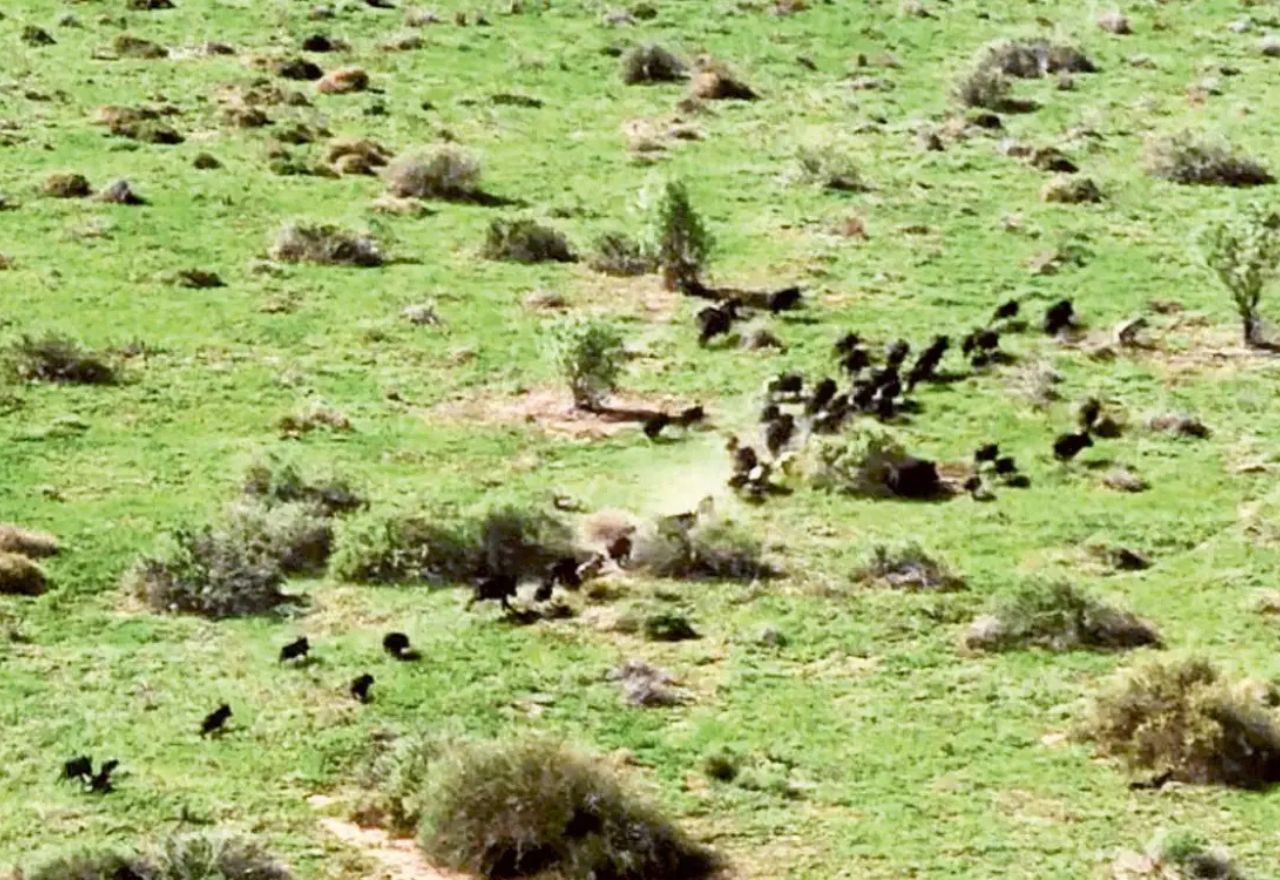
A mob of pigs on the move near Conimbia during an aerial shoot around mid-2025, when the contractor involved said they shot a daily record. [IMAGE: The Coonamble Times]
The figures were reported for pigs removed under the LLS' feral pig and pest control programs, which has been extended to June 2026.
LLS NSW Feral Pig Coordinator, Bec Gray, said they removed 240,000 feral pigs in NSW over the last three years including through 162 aerial control programs.
"Aerial shoots are highly effective at rapid knockdown of feral pig populations to reduce numbers in targeted areas, especially over public lands such as state forest and parks neighbouring farmers," she said.
Funding to farmers has centred around the supply of more than 518,000kg of free bait to landholders to assist landholders in their trapping and baiting efforts, with the LLS conducting the aerial control programs.
The NSW Government committed $14.3 million in the 2025-26 Budget for the Feral Pig and Pest Program delivered by LLS, but NSW Farmers’ President Xavier Martin says more needs to be done as a matter of urgency.
"I’m hearing report upon report from farmers who have hordes of these pests just tearing through their farms like a relentless force that can’t be stopped," he said.
“Five figure culls simply aren’t going to do the job when numbers are surging, farmers are being restricted in what tools they can use, and there’s no guarantee of funding for control programs past June 30.
“Previous investments have been helpful, but we need to see the state government commit to a long term, coordinated control strategy that doesn’t just draw on a variety of tactics, but delivers real results.
“The NSW Government has promised to do its bit to control these pests, but we know they’re still breeding up on public land as farmers fight an uphill battle against them.
“It’s time for the Treasurer to come to the party this state budget season and get serious about feral pigs if we’re ever going to break the breeding cycle, for good."
The National Feral Pig Action Plan acknowledges the scale of the problem, saying 70 per cent of the feral pig population need to be removed every year to prevent growth.
Shadow NSW agriculture minister Brendan Moylan believes something more needs to be done.
"Current control methods - such as aerial shooting, baiting, and trapping - are simply not keeping pace," he said.
"What is needed is increased funding and locally focused control programs. A one-size-fits-all approach across the state will not work."
Ms Gray encourages landholders need to carry out repeated and coordinated control efforts to control the pig population, working closely with their neighbours and seeking support from LLS.
"Landholders should report feral pig activity to their local biosecurity officer or via FeralScan to assist with monitoring efforts," she said.
NEWS