Doubling down on ferals in the Pilliga

River McCrossen
18 February 2026, 2:40 AM
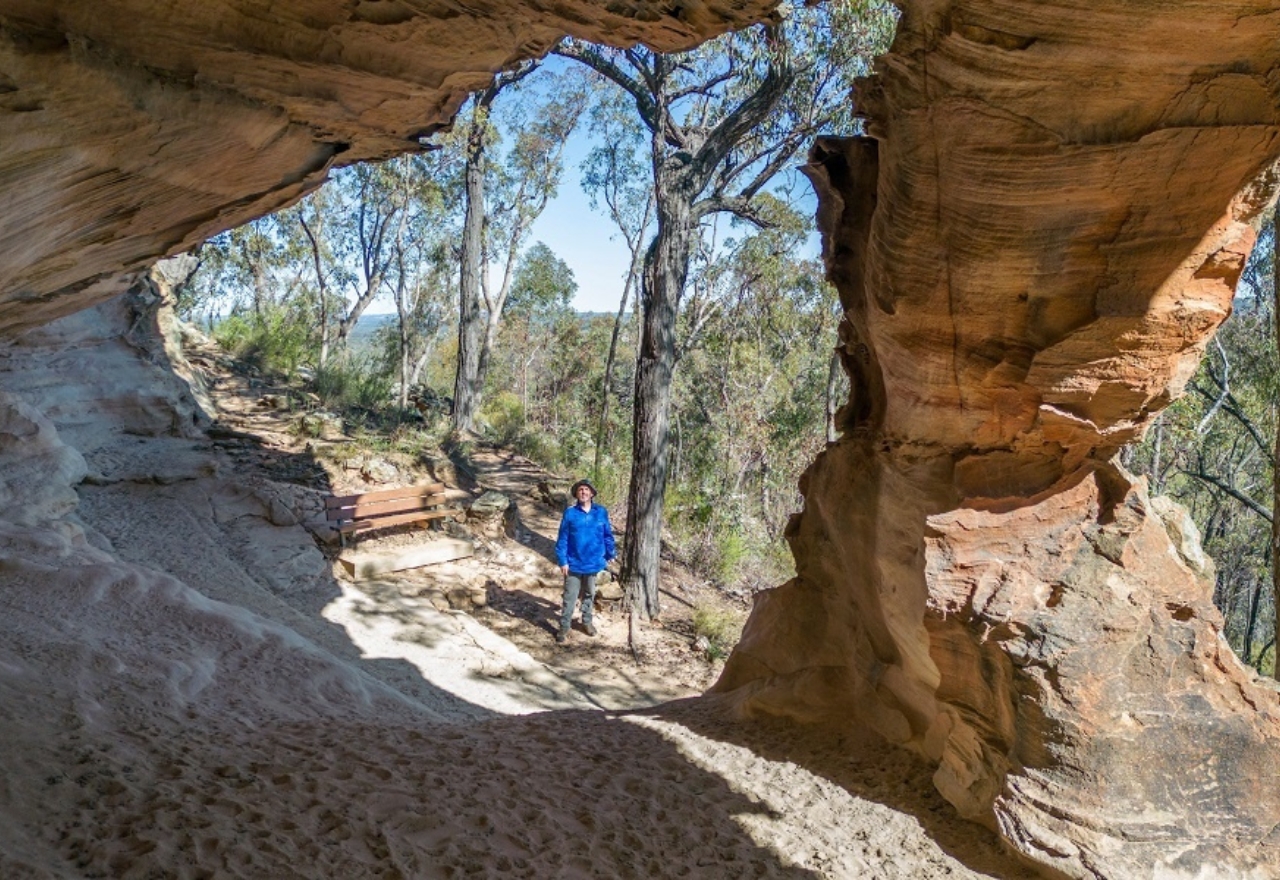 The National Parks and Wildlife Service (NPWS) says the shoot is to protect Aboriginal cultural heritage from animal damage. IMAGE: Leah Pippos and John Spencer
It's a busier time ahead for animal control in the Pilliga Forest with both shooting and baiting set for this month in different areas of the vast scrublands.
Part of the Pilliga Nature Reserve is set to close from 23-27 February for shooting to remove feral goats from the area.
The National Parks and Wildlife Service (NPWS) said they are carrying out the ground shooting in the Sandstone Caves precinct to protect important Aboriginal cultural heritage.
An NPWS spokesperson said the goats can cause corrosion and degrade the landscape.
"Following several favourable seasons with above-average rainfall across the Pilliga, feed availability has increased significantly, leading to improved breeding conditions and a rise in feral goat numbers," the spokesperson said.
"The Sandstone Caves precinct is closed for the duration of the operation for visitor safety."
The spokesperson said the shoot is part of the NPWS's ongoing pest management program.
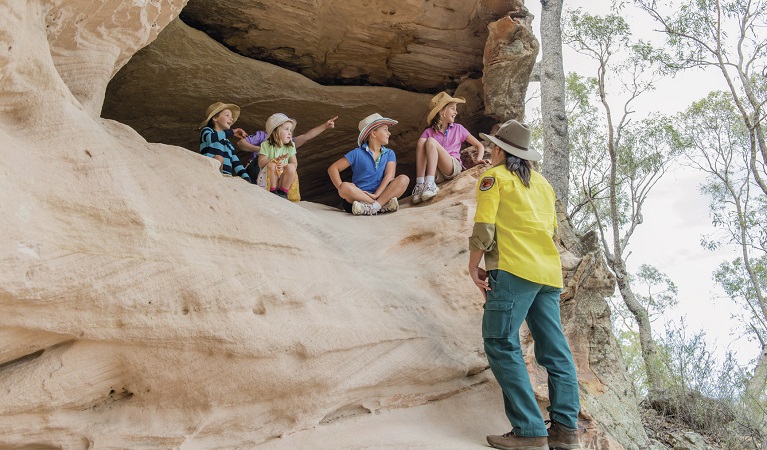
The Sandstone Caves are culturally significant for local Gamilaraay people. IMAGE: John Spencer
The Australian Wildlife Conservancy (AWC) is conducting an ground baiting program with the poison 1080 (sodium fluoroacetate) to remove foxes from the Pilliga National Park and Pilliga State Conservation Area.
That program aims to reduce predator impacts on wildlife - especially threatened species - and is running from 31 December to 31 March.
Signs will be placed at the entry to the baiting location.
Authorities urge pets and working dog owners to restrain or muzzle their animals in the vicinity of the poison, and avoid entering baiting locations.
If their animal is accidentally poisoned, owners should seek out a vet immediately.
Immediate neighbours are typically notified directly of control activities, while visitors and can find alerts on the NPWS website.