From paddock to pathway: local students harvest hands-on lessons

Kristin Murdock
28 December 2025, 10:20 PM
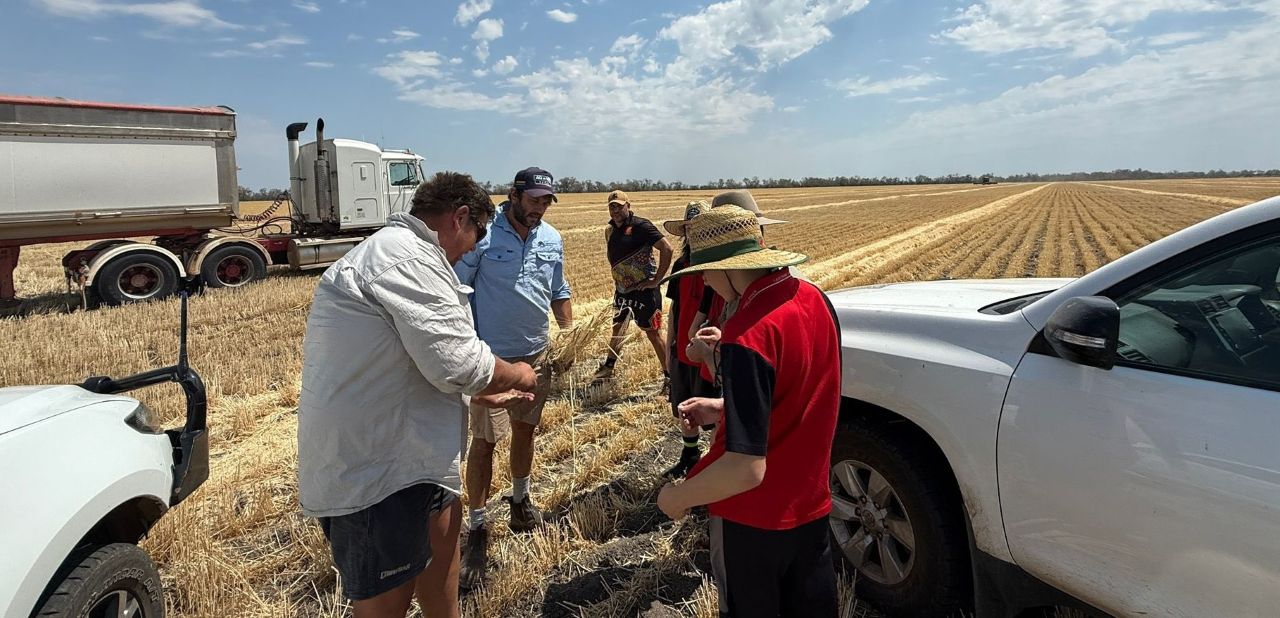 Image: Lightning Ridge Area Opal Reserve
Much of the broadacre cropping harvest is nearing completion across the Western Plains and at the Lightning Ridge Area Opal Reserve, the paddock doubled as a classroom.
Local Indigenous sharefarmer Charlie Carpenter took Hands-On Learning students from the Lightning Ridge Central School into the paddock to see crops of wheat, chickpeas and barley up close.
The practical session is just one example of the Hands On Learning Program that has given students a firsthand look at how grain is grown, harvested and prepared for delivery turning theory into experience.
“Based at the Wandella Education and Research Hub, the initiative is about more than harvest," Lightning Ridge Area Opal Reserve Manager, Dave Sullivan said.
“It’s about connection between land and learning, experience and opportunity and showing young people growing up in the Walgett Shire that there are real pathways into agriculture and related industries close to home.”
That local, immersive approach mirrors the direction of a new statewide plan.
NSW sets out workforce roadmap
The NSW Government has released the NSW Primary Industries Workforce Strategy 2025–2030, outlining a long-term plan to support agriculture, forestry and fishing through a skilled, adaptable and
future-ready workforce.
Developed through consultation with industry, government, education and training providers, researchers and the wider community including a public consultation process earlier in 2025, the strategy delivers on an election commitment to hold a NSW Agriculture Workforce Roundtable.
NSW Department of Primary Industries and Regional Development Deputy Secretary for Agriculture and Biosecurity Rachel Connell said the strategy provides a roadmap for collaboration.
“Our primary industries are the backbone of regional economies,” Ms Connell said.
“This strategy helps ensure we have the skilled, adaptable and diverse workforce needed to drive innovation and sustainability into the future.”
The strategy identifies three priority areas: improving business management, adaptability and innovation; fostering a diverse workforce that is accessible across NSW; and building on careers and capabilities in primary industries.
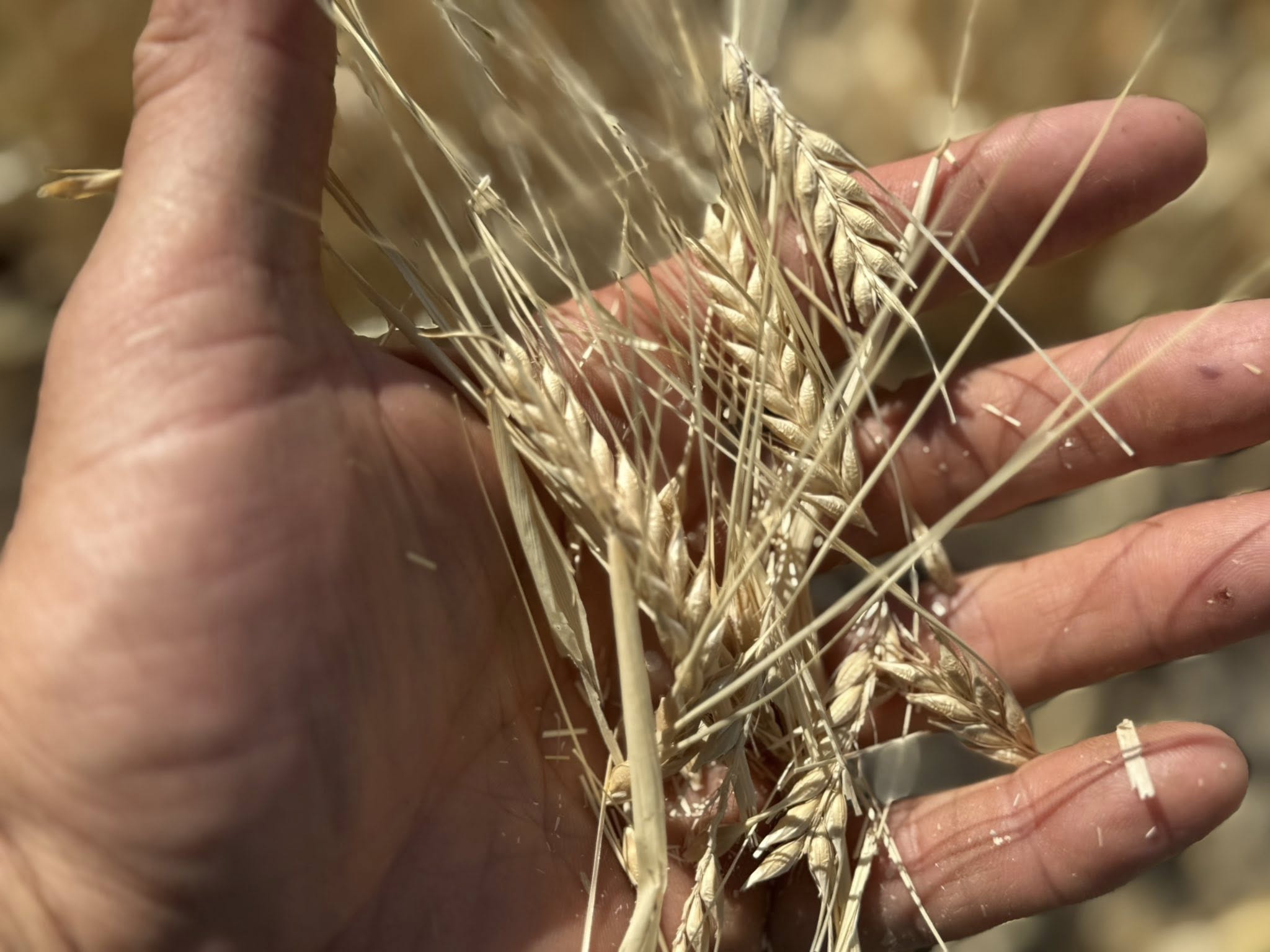
The NSW Government has released the NSW Primary Industries Workforce Strategy 2025–2030, with early introduction to the industry recognised as one initiative to build on careers and capabilities. (Image: Lightning Ridge Area Opal Reserve).
Key challenges identified
The report also sets out the challenges facing the sector.
These include a complex policy environment that requires all levels of government to deliver solutions in partnership with industry; low participation of key sectors of society - including women and Aboriginal and Torres Strait Islander peoples - alongside challenges associated with an ageing workforce; and the need to address region-specific conditions to support and empower regional NSW economies.
Programs like the Lightning Ridge Area Opal Reserve Hands On Learning initiative align closely with the strategy’s emphasis on early engagement, regional pathways and stronger links between education, industry and community.
By taking students into working paddocks during harvest, the program gives young people practical exposure to agriculture and helps demystify career options in the sector, a priority echoed throughout the workforce strategy.
Strong production, ongoing workforce pressure
The strategy has been released against the backdrop of strong sector performance, with NSW’s primary industries achieving a record Gross Value of Production of $25.5 billion in 2024–25.
Ms Connell said the result highlighted both opportunity and responsibility.
“With NSW’s primary industries sector achieving record levels of production, the sector stands as a cornerstone of opportunity and innovation,” she said.
“NSW DPIRD will continue working closely with industry and stakeholders to build on existing programs and develop new initiatives that strengthen workforce capability and support a strong, productive primary industries sector.”
As implementation begins, initiatives already underway on the Western Plains show how connecting students to agriculture early can help build the next generation of workers - from paddock to career pathway.