Spectacle in the sky tonight

03 March 2026, 9:01 AM
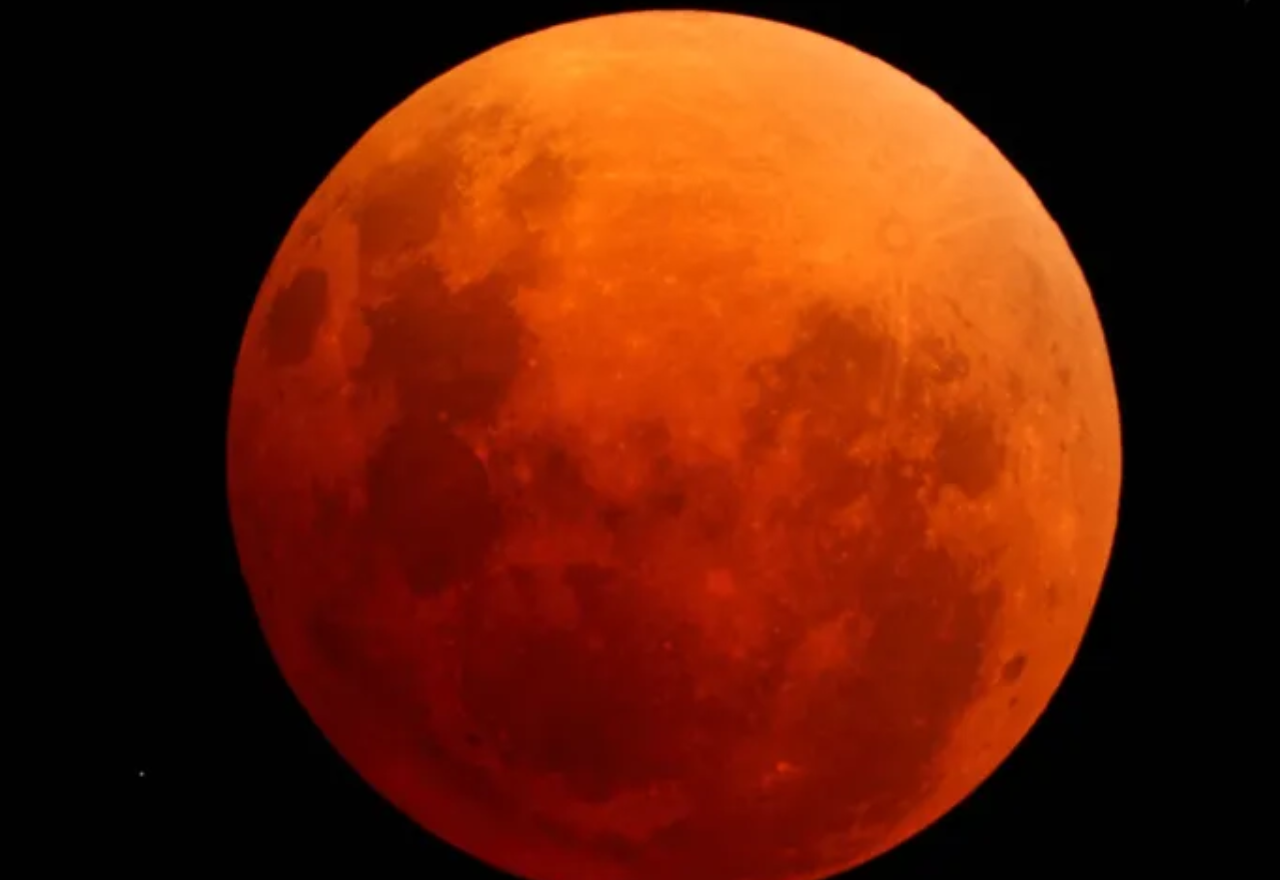
An extraordinary spectacle will unfold in the skies above Australia tonight, Tuesday 3 March - a total lunar eclipse.
This event presents a unique opportunity to witness a profound alignment of the Earth, Moon, and Sun, resulting in our lunar companion being enveloped in a striking reddish hue.
In this blog, we’ll delve into the intricacies of this astronomical event and explore how we can fully appreciate it.
The peak will be between 10 and 11pm, but great views will be available - cloud cover permitting - after 9pm.
How Does a Lunar Eclipse Work?
A lunar eclipse occurs when Earth aligns perfectly between the Sun and the Moon, casting a vast shadow across the lunar surface.
This alignment can only take place during the full Moon phase, which is when we see the Moon in its brightest glory.
During the total eclipse, the Moon can transform into a deep reddish-orange—a phenomenon often referred to as a “blood Moon.”
Observing the Eclipse
One of the beautiful aspects of a lunar eclipse is its accessibility to everyone.
Unlike solar eclipses, which require special precautions for viewing, lunar eclipses can be seen with the naked eye.
All you need is a clear line of sight to the Moon.
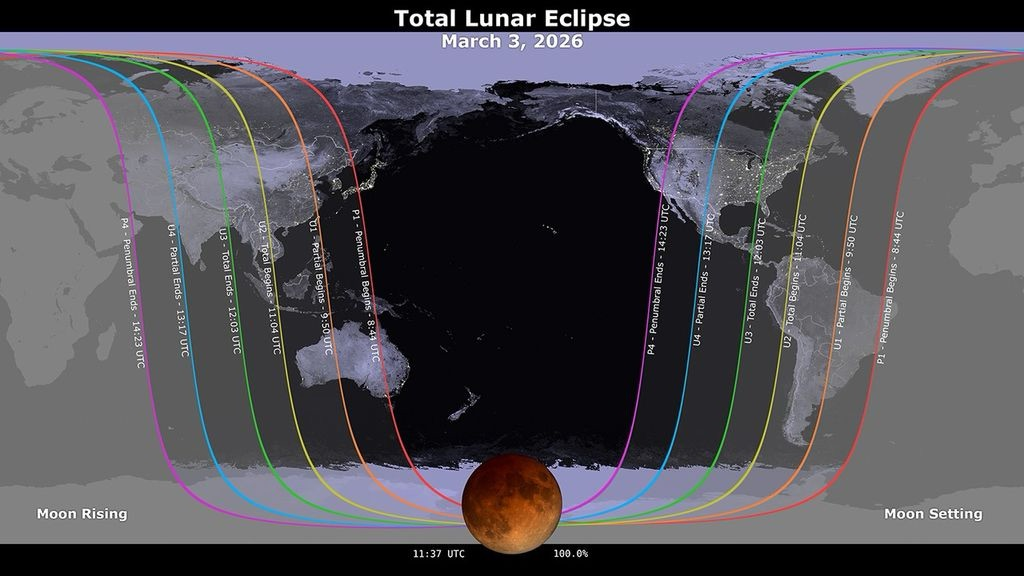
However, for those looking to enhance their viewing experience, seeking a dark environment free from light pollution can truly deepen the experience.
Binoculars or a telescope can also provide a more detailed view, although the eclipse’s majesty can be appreciated without any special equipment.
Tonight, Tuesday 3 March, totality will be visible across eastern Asia and Australia in the early evening.
Observers in the Pacific region will experience the transition throughout the night, while North and Central America, along with far western South America, will catch glimpses of it in the early morning.
It’s important to note that parts of central Asia and much of South America will see a partial eclipse, and no visibility is expected in Africa or Europe.
The Significance of the Blood Moon
The term “blood Moon” is often used to describe a total lunar eclipse.
This intriguing name derives from the reddish hue that the Moon takes on during totality.
Most of the Sun’s light is blocked by Earth’s shadow, but the light that does reach the Moon is filtered through our atmosphere.
This process creates a beautiful effect, reminiscent of the sunrises and sunsets happening all around the world.
Additional Celestial Observations
Beyond the lunar eclipse itself, this night offers an excellent opportunity to observe the night sky more broadly.
As the Moon dims under Earth’s shadow, stars and constellations may become more prominent than they usually are during a full Moon.
Notably, during the eclipse, the Moon will find itself in the constellation Leo, positioned beneath the lion’s hind paws.
Looking ahead, just a few days later on March 8, there will be another celestial highlight: a conjunction of Venus and Saturn.
From our perspective on Earth, these two planets will appear close to each other in the sky, adding another layer of wonder to our stargazing experience.
A Call to Appreciation
In a world often filled with distractions, this lunar eclipse serves as a reminder of our connection to the universe. It invites us to pause, reflect on our place in it, and share this experience with those around us.
As you prepare to witness this remarkable event, consider how you will take a moment to observe and appreciate the wonders of our night sky.
Let’s lift our heads, engage with the cosmos, and welcome the magic above!