Stop sweeping fish problem under the ‘carp-et’

Kristin Murdock
29 November 2025, 6:40 AM
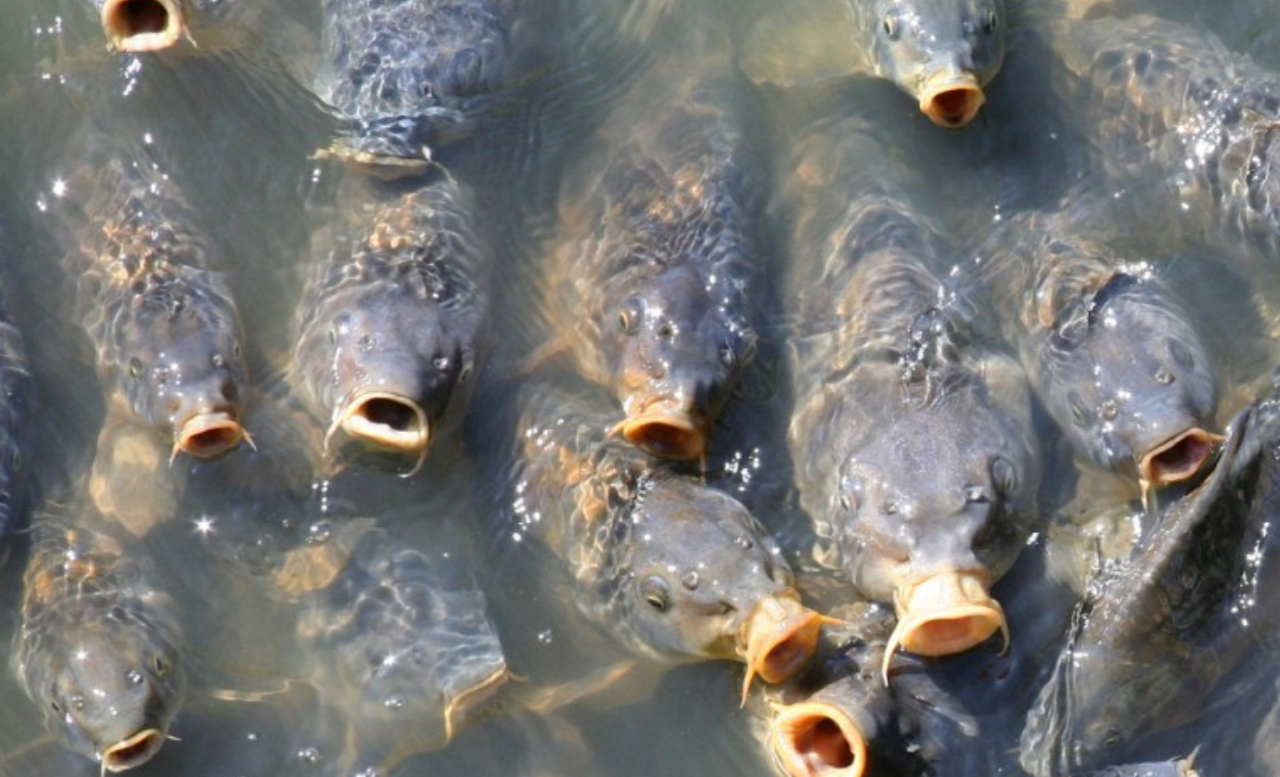 Image: CSIRO
Carp numbers across northern NSW waterways are again raising alarm, with the invasive fish undermining river health, native species recovery and water quality across the Barwon, Namoi and Gwydir systems.
Recent community catches, including hundreds of kilograms taken from single stretches of the Namoi and Barwon, show how quickly carp can dominate a system after ideal spawning conditions.
River advocacy groups, including Speak Up for Water, have long argued that carp have become one of the clearest indicators of an unhealthy Murray–Darling Basin.
Years of drought followed by high flows have created perfect breeding conditions, and carp have spread rapidly through northern NSW rivers.
Speak Up chair Shelley Scoullar said the European carp scourge is a complex issue that has been “swept under the carpet for too long”.
“If politicians are serious about ensuring the $13 billion of taxpayer funds being spent on the Basin Plan are not wasted, taking affirmative action to reduce carp numbers must be a priority,” Mrs Scoullar said.
Speak Up for Water have joined forces with numerous other organisations to highlight the carp issue and encourage govenment actions.
Four point plan from water groups
The groups have suggested a four-point plan as a stepping stone to addressing the problem, as follows:
- Revise current management practices that inadvertently fuel carp proliferation.
- Ensure targeted carp control measures are integrated into Basin Plan implementation.
- Require site-specific carp risk assessments and management plans for floodplain watering projects.
- Collaborate with scientists and draw on local knowledge, enabling informed decisions about how regulators and infrastructure are used for future projects.
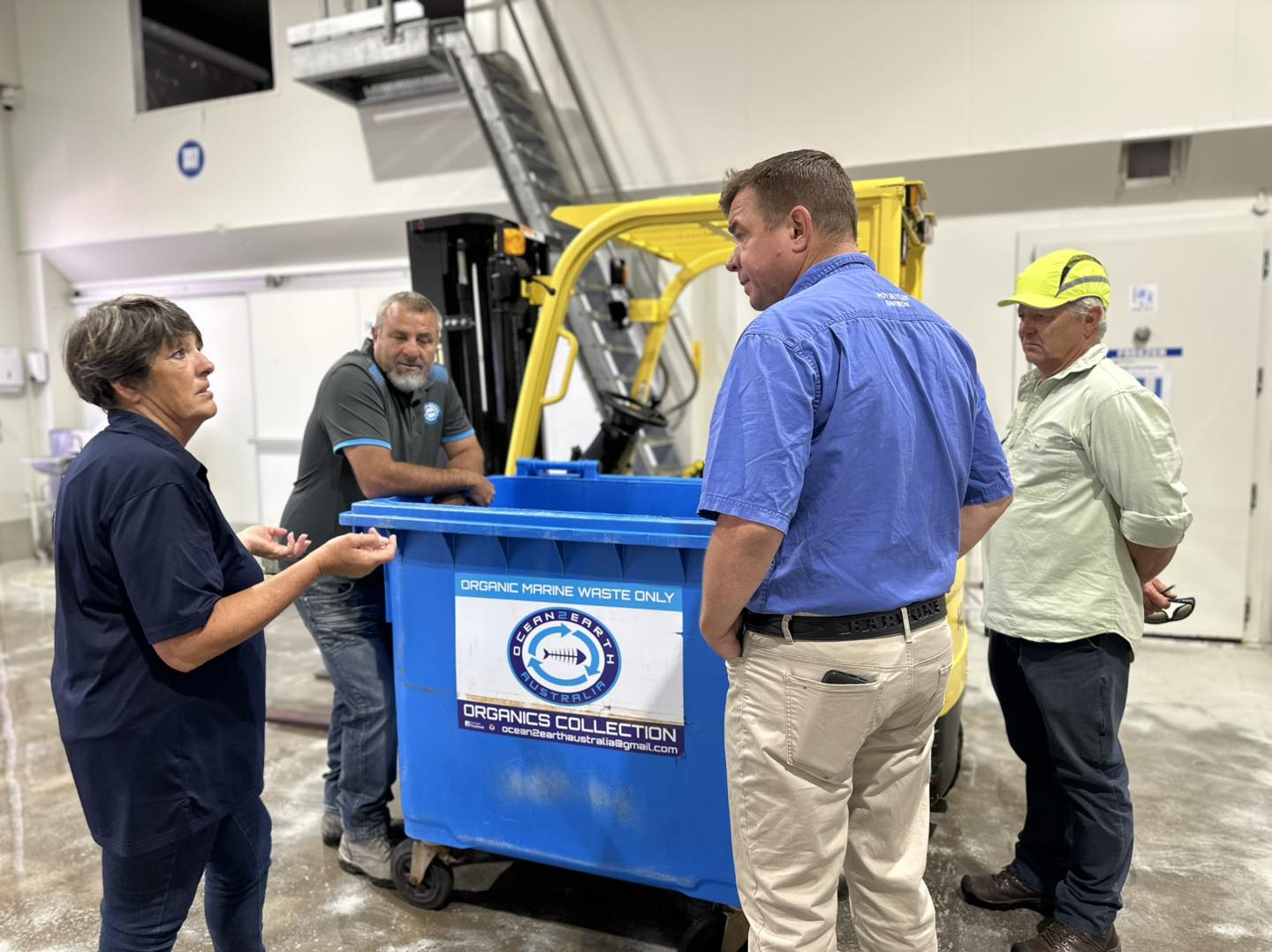
Member for Barwon, Roy Buter, visited Ocean2Earth to talk about using carp as a product. "I am very excited about the benefits to agricultural production, but maybe just a little more excited about getting carp out of our rivers and lakes," he said.
“Protecting our rivers from carp is not optional,” the groups have said.
In 2024 The Commonwealth Environmental Water Holder acknowledged carp were an invasive, widespread pest in the Murray–Darling Basin which can make up to 80 to 90 per cent of the fish biomass in some areas.
“If the benefits to carp outweigh the benefits to native species, we do not deliver water,” a spokesperson said.
“We take steps to avoid creating conditions that favour carp recruitment.”
Barwon MP Roy Butler has long been vocal about the need for new approaches to carp management across the west.
After visiting the Ocean2Earth facility on the NSW south coast - a business that converts organic and marine waste into agricultural products - he said the method could be adapted for inland pest fish and woody weeds.
“The process used with marine waste and timber waste can be duplicated out west with carp and woody weeds,” Mr Buter said.
“It takes two wicked problems and turns them into something of value and great benefit to agriculture.”
Carp virus – a solution not yet released?
Carp musters in Walgett, Collarenebri and along the Namoi have successfully removed tonnes of fish, but NSW Fisheries has warned that physical removal on its own cannot succeed in open, connected waterways.
Carp simply move back in from upstream or nearby wetlands.
Local groups and councils are now looking at integrated strategies: linking removal with habitat repair, better-timed environmental flows, improved fish passage, and commercial uses for harvested carp.
Approaches like the one Mr Butler highlighted - turning carp into a soil-benefiting product - could provide the scale required for real impact.
The largest national program underway remains the investigation into Cyprinid herpesvirus-3, widely known as the carp virus.
The Commonwealth’s Carp Biological Control Program continues to assess risks, non-target species impacts, and the regulatory process for any potential release.
According to modelling in the National Carp Control Plan, a well-managed release could reduce carp numbers by 40–80 per cent across the Murray–Darling Basin.
However, the virus is not approved, and extensive scientific and community consultation is still underway.
For northern NSW, where carp now dominate many rivers reaches, the virus remains the only option with potential basin-wide impact.
Until its future is decided, regional leaders, community groups and MPs like Butler are calling for innovative, coordinated approaches to protect already-stressed waterways.