Study into less gassy cows hits milestone

River McCrossen
17 December 2025, 1:40 AM
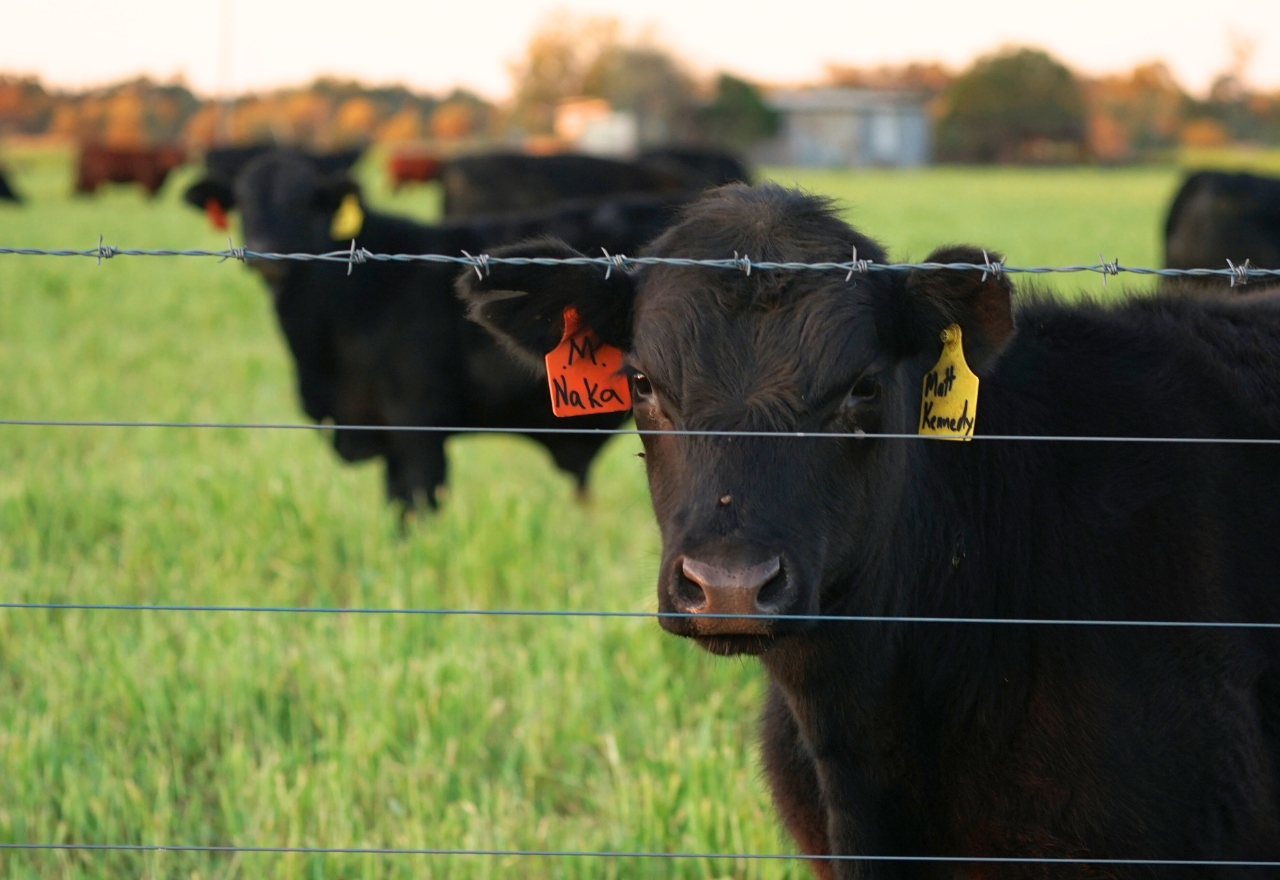 Low Methane Beef has been running since 2022 and aims to help farmers produce cattle that create lower emissions. [IMAGE: River McCrossen]
"It's sort of like Oprah, everybody wins a prize," says Dr Tom Granleese.
After more than three years, his project to engineer cattle that create less methane has reached a milestone as the first genetic breeding values were presented.
"The farmers win because they're breeding more efficient animals, and the environment wins because we've got less methane entering the atmosphere.
"If the bull breeders start looking at using this breeding value and start genetically reducing the total methane that's being produced, then the genetics flow on through to the people who buy the bulls."
The Low Methane Beef project scores bulls based on how much of the gas their offspring produce.
There's still a way to go before methane output is included in commercial genetic evaluations, but researcher Dr. Tom Granleese said it is a major milestone to helping farmers include emissions in their breeding goals.
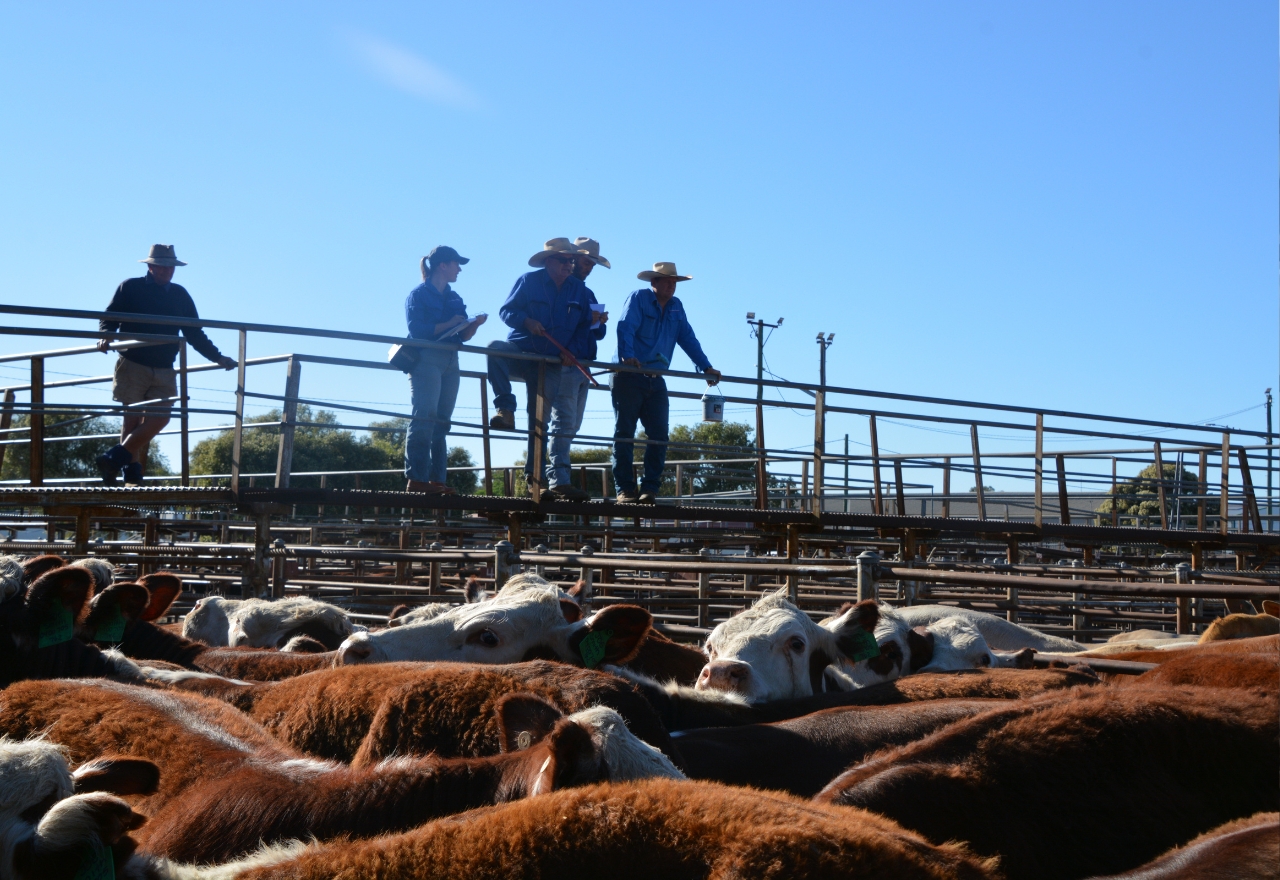
Cattle mainly produce greenhouse gasses through their burps. [IMAGE: Kelsi Davis]
Cattle produce methane as a by-product when they digest feed like grass and hay, which also represents lost energy that could have been used to generate milk or meat. It is mostly expelled through their burps.
During the project, the animals are trained to eat from special machines that measure the amount of emissions in their breath.
The project has so far tested methane output in 5000 cattle at the University of New England's Tullimba feedlot, along with research sites with the NSW Department of Primary Industries and Research and Development (DPIRD).
The research still needs to be peer reviewed by other scientists, and accepted by a set of advisory and cattle industry committees, before emissions are included in Estimated Breeding Values (EBVs) created by genetic evaluation service BREEDPLAN.
EBVs are ranking genetic merits that help producers breed animals with desirable traits.
“Reducing methane emissions is essential for the industry, it can now be considered alongside other profit-driving traits such as growth, fertility, and carcase quality,” MLA Managing Director Michael Crowley said
“These research breeding values currently apply to animals within the project cohorts.
"Further investment is underway to expand data collection across more animals, which will improve accuracy and enable these breeding values to be delivered routinely to industry."
The NSW government, University of New England and Meat and Livestock Australia are funding the $15 million project.