To tag or tackle: western clubs to decide the future of women's rugby

River McCrossen
03 February 2026, 2:40 AM
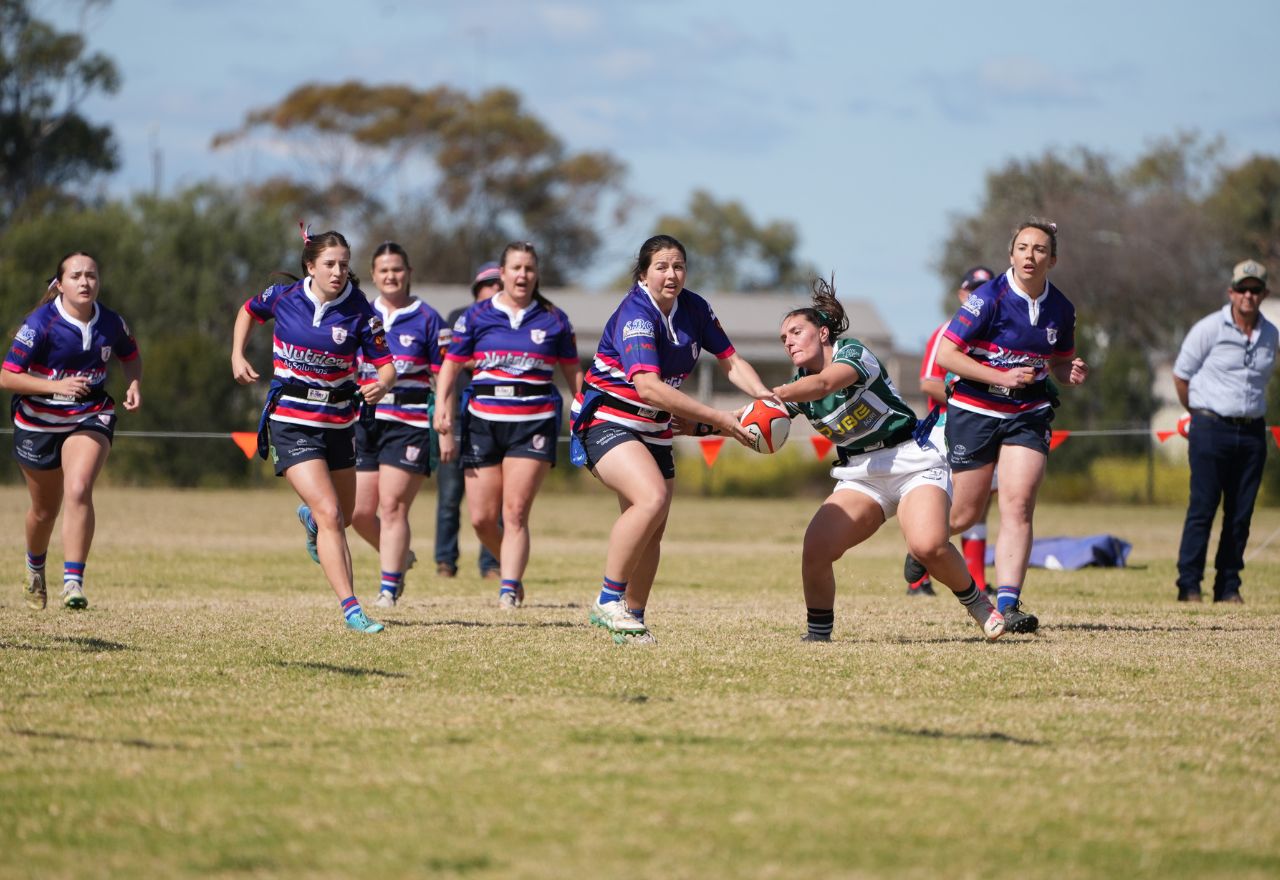 Gulargambone and Coonamble face off in the Western Plains 2025 rugby union tri-tag final in Walgett. IMAGE: River McCrossen
Club members will travel to Nevertire on 7 February for a zone-wide roundtable discussing the future of tackle in the Western Plains women's competition.
Members, tournament officials and representatives from NSW Rugby will weigh the results from 171 responses to the 'She's Got Game survey,' which asked stakeholders if, when and how the tournament should transition from tags to tackle.
Competition president David Neeves said he wants players' voices considered in the final decision over tackle, which will fit into a broader strategy for women's footy.
"You don't need older, mature rugby heads like myself making decisions for young women," he said.
"The principle of this is actually engaging with young women who want to play rugby, whether it be contact or non-contact, about what they would like to see the zone deliver, and/or NSW Rugby.
"The interest in this survey has been fantastic, noting that there was 155 registered tri-tag players last year and we got 170 responses."
The survey ran from 9 December to 18 January.
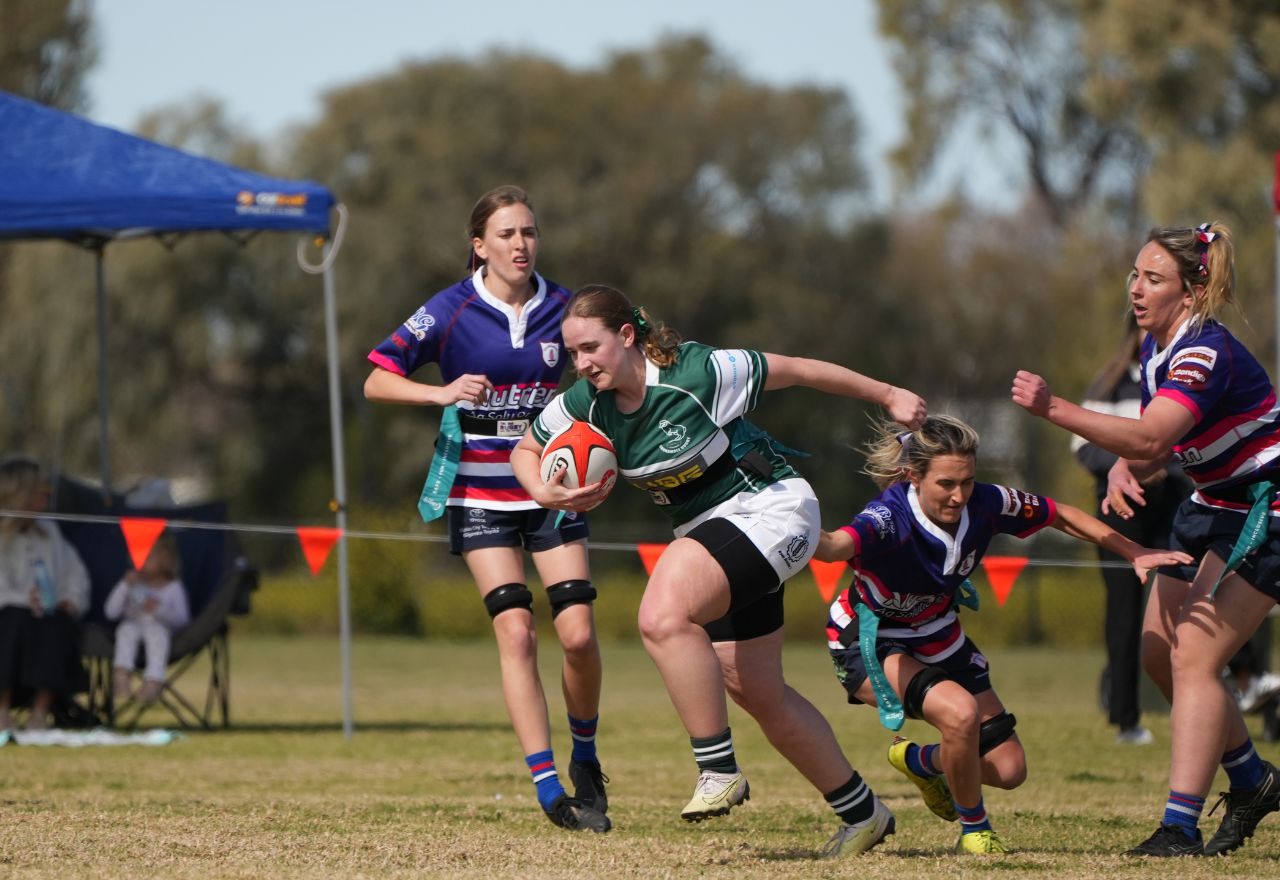
Clubs voted 4-3 in favor of retaining the tri-tag format for another year during the Western Plains zone's 2025 Annual General Meeting. IMAGE: River McCrossen
Mr Neeves said there were responses from seven clubs in the zone, along with non-affiliated people interested in women's rugby.
The 18-24-year-old bracket made up about 27 per cent, while almost 47 per cent were aged 25-34.
About 80 per cent of respondents were female.
Mr Neeves said officials are looking to finalise their Women’s Rugby Strategic Plan by around April-May.
Hot debate over women's tackle
The question of women's contact can be contentious within the Western Plains zone.
At their 2025 Annual General Meeting (AGM), clubs voted 4-3 to keep the tri-tag format for another year.
Tackle supporters argue that full contact would draw bigger crowds and develop talent to enter representative and professional sides, which typically play tackle.
In Coonamble, where the women's team largely oppose a transition to tackle, players raise concerns about potential injury.
"Tackle should definitely be something that women are given the opportunity to play. I guess my issue with it is that I didn't learn from a young age," said Amy Ibbott, who played with the Rams in 2025.
"And tackle is such a skill that you need to learn in order to not get injured."
Over 300 kilometres away, the Cobar and District Rugby Union Club have been pushing for the last three years to transition to tackle.
Their women's captain, Jadye George, said injury is simply part of the game.
"We practice tackling, especially if they're a newbie. We run them through all the drills, and skills and the rules," she said.
"It's like with the men's rugby, it's the same kind of thing. They play it for the love of the game. If they get injured, they get injured."
She also said their team has not joined the 2026 tagcompetition for fear they would lose local player interest without tackle.