What are the safety alternatives after speed reductions shelved?

River McCrossen
02 December 2025, 8:20 PM
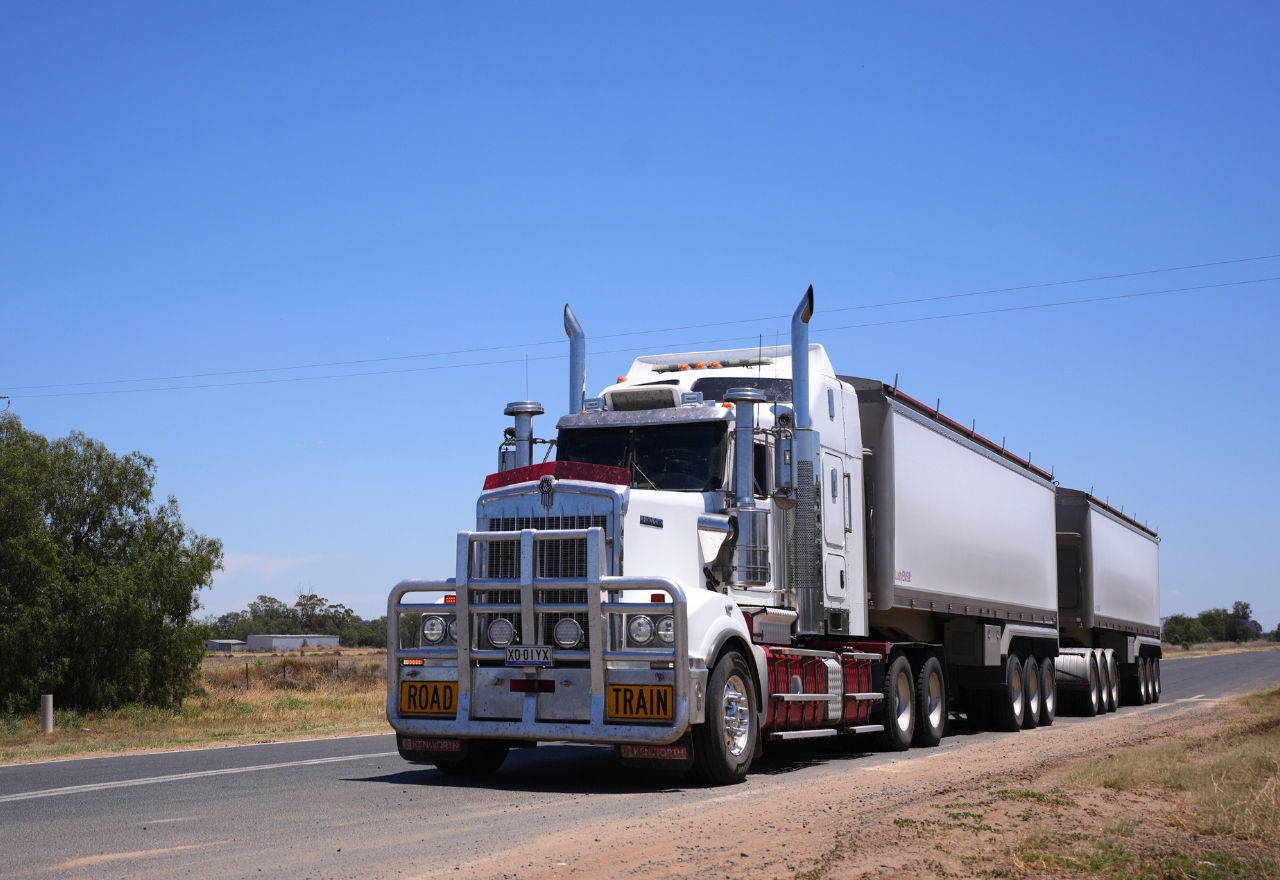 The federal government has shelved a proposal to cut speed limits on certain roads. The Western Plains App asked two peak bodies, who opposed the limits, how they would reduce road deaths.
 The chair of Australia's peak trucking body has welcomed a decision by the federal government to shelve a proposed limit reduce limits on roads with no sign-posted speed.
The Australian Trucking Association's Mark Parry says the proposal, which would have cut default limits by up to 30km/h, would increase freight times.
Mr Parry said that he supports more targeted speed reductions in problem areas, along with road signage, education and fixing mobile black spots, as the government is forced to look at other ways to rein in road trauma.
"What we found particularly in the transport industry is that appropriate licensing, appropriate training, the use of technology now in trucks, is becoming very good," Mr Parry said.
"I think various media campaigns over the years have been very effective. Like slowing down, stopping and resting before you're tired.
"The truck industry is very regulated in those areas, and that's overseen by not only the police but the NHVR (National Heavy Vehicle Regulator).
"I don't think there's a silver bullet to these things."
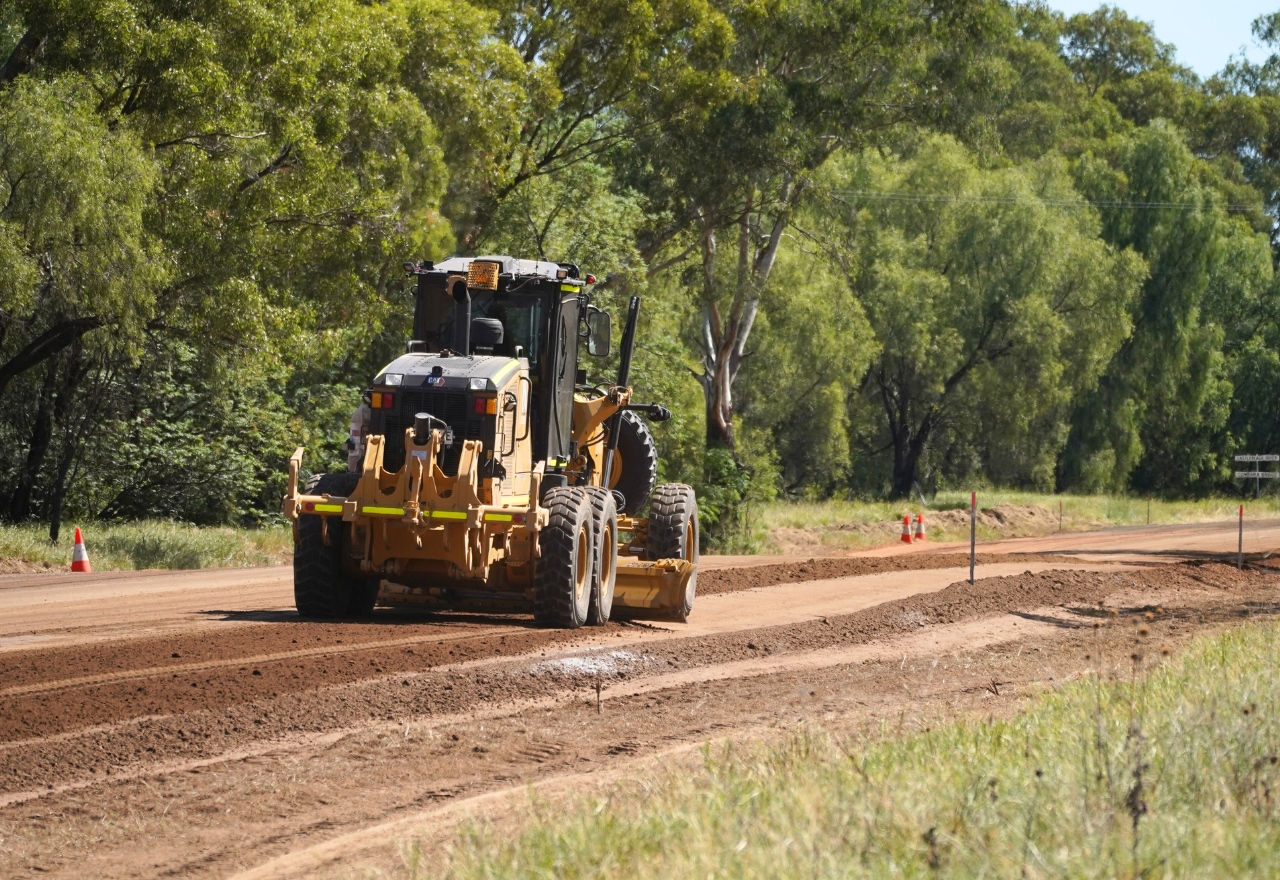
Opponents argued that road maintenance and upgrades are a bigger safety priority than lowering default speed limits on roads without signage. [IMAGE: River McCrossen]
Mr Parry also singled out road improvements and modern vehicle safety features to tackle deaths and serious injuries, which was the main reason the federal government proposed the speed reductions.
He also suggested that fatalities, which increased from 1097 in 2020 to 1292 in 2024, may be rising with population growth.
There have been over 50 deaths by car accidents in the Western Plains since 2020.
Fifteen of those were around the Warrumbungle area, with 11 around Narromine.
Under the 2021-2030 National Road Safety Strategy, Australian governments aim to halve the number of national road fatalities by the end of the decade, then to zero by 2050.
A government consultation paper modelled that reducing the speed to 70km/h could avoid 401 deaths on sealed roads and 123 on unsealed roads across Australia each year.
However, local councils, industry groups, politicians and the Country Mayors Association opposed the proposal, saying it would unnecessarily increase travel times.
READ: Inquiry to seek real solutions to regional road deaths
After a meeting with her state and counterparts, federal transport minister Catherine King said in a joint statement on 21 November that "no further work" was underway on the proposal.
The statement noted feedback during a consultation period, and that the states and territories are responsible for setting speed limits.
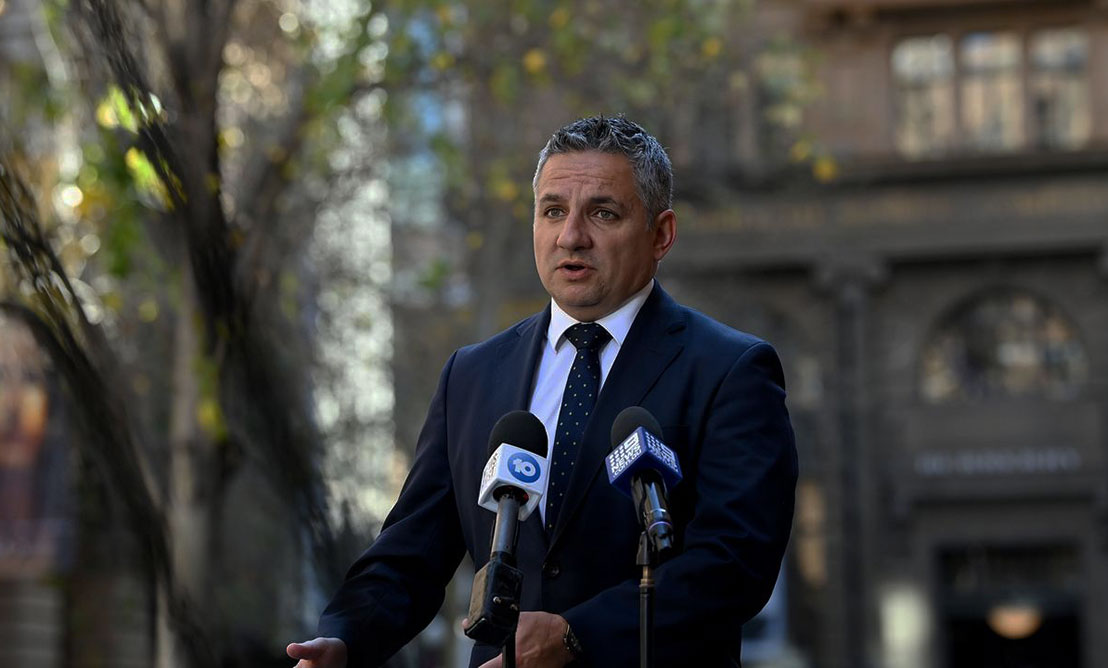
National Roads and Motorists' Association (NRMA) spokesperson Peter Khoury also welcomed the government's withdrawal.
He said that speed changes on particular roads need to account for evidence including crash history, traffic volumes and road engineering and quality.
He also said the association wants more information to be publicly available from road crash investigations.
"What we want to see is a standard approach to those investigations which is referred to in the industry as a 'no-blame' investigation," Mr Khoury said.
"What they would do is they would look specifically at the cause - or causes - of that crash and then make that information publicly available.
"Was it speeding? Were there other factors? Was the car doing 102km/h in a 100km/h zone - which might be deemed speeding - but there were other factors at play?
"Once you start to develop a better understanding of the causes of these crashes, then you can start to make decisions that will drive better outcomes."
Transport for NSW has an interactive map which includes whether speed and fatigue were a factor in individual crashes, although it doesn't go into much greater detail regarding cause.
Barwon MP Roy Butler, who raised a petition against the proposal, said NSW roads minister Jenny Aitchison spoke against the reduction to the federal government.
"I thank Minister Aitchison for paying attention to the results of my petition and listening to country people when we say that lower speed limits would reduce our quality of life," Mr Butler said.
"I congratulate those who took the time to add their signature to my petition; together, we have shown our strength and managed to block this damaging proposal."