How to care for others and yourself after a traumatic event

Angie White
16 December 2025, 6:43 AM
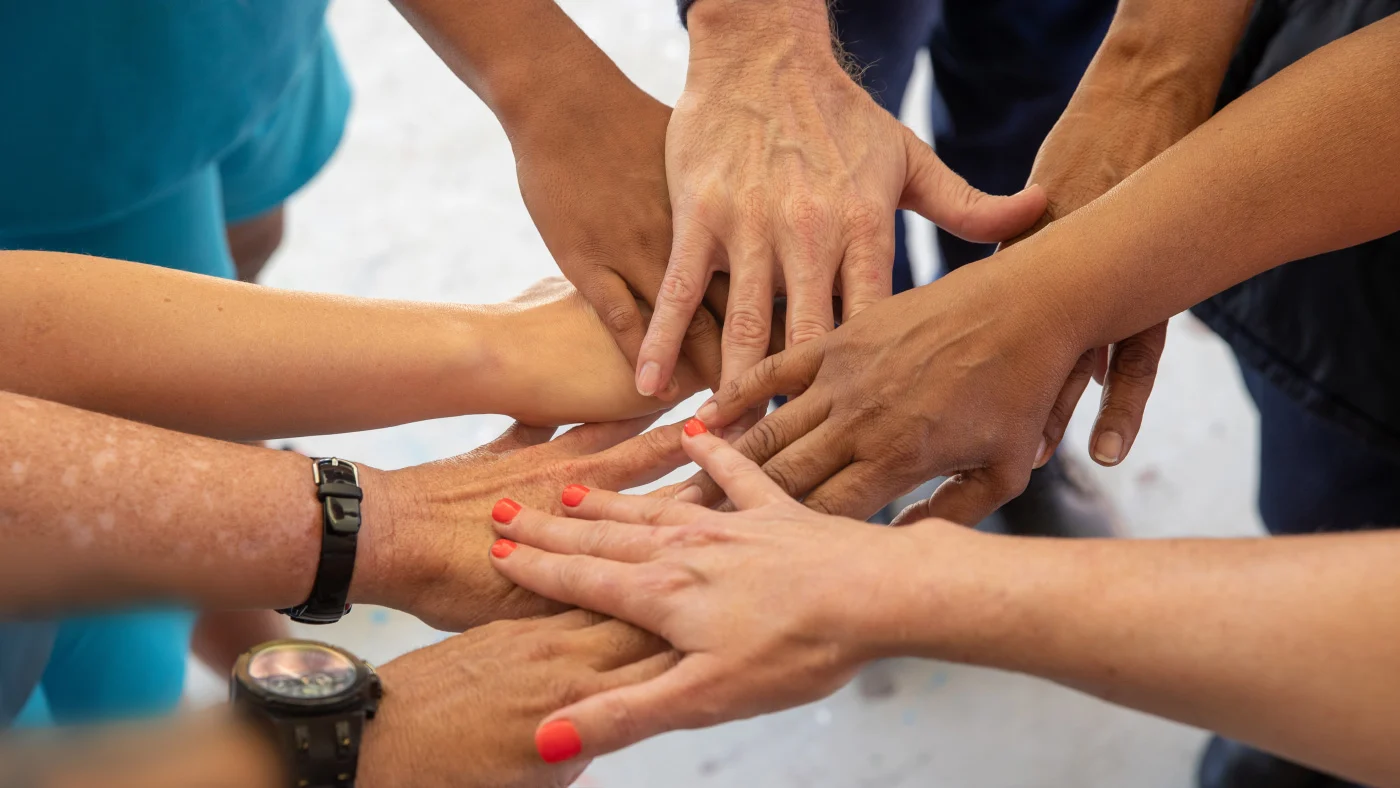 Red Cross are calling for blood donors and offering tips to help cope with feelings following the Bondi Terror attack, as Australia unites.
People in the western area and across the nation are shocked and saddened by the events at Bondi on Sunday with many people wondering how to help, while many others are left reeling at the vicious nature of what occurred.
According to Australian Red Cross there are many things you can do to help others and yourself, but high on the agenda now, is much needed lifesaving blood.
“Like many of you, I am deeply saddened and shocked by the tragic incident at Bondi yesterday. Our thoughts are with the Jewish community, the victims, their families and friends, and everyone affected by this act of violence,” said Ms Harrison.
“I know this event is being felt across the country and beyond.
“In times of crisis, we’re always grateful to receive so many requests from our members and volunteers about how you can help."
If you wish to donate blood or plasma, visit lifeblood.com.au, call 13 14 95 or download the Lifeblood app for details of centres in your area, where you will be given a time and day to attend.

Red Cross calling for blood following the tragic Bondi events. [Image Australian Red Cross]
“Lifeblood has been supporting Sydney hospitals in the wake of yesterday’s incident and the need for more blood donors is ongoing,” said Ms Harrison.
Decades of supporting communities to recover or cope with distress, Red Cross are strongly aware of the impact disasters have on friends, families and communities. People and especially children can feel more vulnerable, worried or scared because of these events.
Red Cross have lots of tips to help navigate this time and urge everyone to utilise their services, advice on their website and help lines if they need assistance.
Is this a common reaction?
It is common to feel upset. It’s important to talk to people you trust about how you are feeling and take extra care of yourself. Acknowledge that you have been through a highly stressful event and notice how you are feeling. Try and get good sleep and rest, eat good food and try to make time for things that make you feel safe.
Being impacted by distressing events can impact our bodies, brains and our relationships. While some people experience a range of reactions, it’s important to remember that most people recover well from distressing events over time with support from their family, friends and community.
Some of the physical impacts of stress that you may experience can include:
- Trouble sleeping
- Muscle tension
- Exacerbation of pre-existing conditions (such as arthritis or asthma)
- Headaches and nausea
- Feeling restless
- Finding it hard to concentrate or problem solve
- Feeling a wide range of emotions, like anger, sadness, fear, helplessness and guilt
These are common reactions to the types of stress that disasters cause. For most people, these effects will fade over time, but if they are still present 4-6 weeks after the event it is important to seek help.
There are many Red Cross workers and volunteers ready to help. [Image Australian Red Cross]
Should I watch the news?
During and after a distressing event, it’s natural to want to access as much information as possible.
However, it’s a balance to make sure you’re getting the information that you need without overexposing yourself to harmful effects of repeatedly seeing or hearing stressful information. For many people, too much media exposure can increase feelings of distress.
Minimising exposure to stressful or traumatic images and sounds is particularly important for children.

It is important to stay updated but too much news could have adverse affect.
How can I help my friends and family?
Distressing events can feel very overwhelming. Despite the enormity of the impacts, most people recover well from a disaster with the support of their friends, families, colleagues and neighbours.
When wanting to help loved ones, some people feel unsure about how they can best help and worry that they may do the wrong thing.
There are some simple things that you can do to support your friends and family members.
- Spend time with your family and friends.
- Offer support and listen.
- Be patient with people who have been impacted.
- Give people the time, space and patience that they need.
- Don’t be afraid to ask people how you can help.

Just being there for each other is a great start to help.
How can I look after myself?
Helping and supporting others through distressing events such as disasters can be stressful.
Communities, volunteers, friends and family members who are helping those who have been affected by a disaster also need to take care of themselves.
Some tips:
- Get good rest.
- Watch your diet and physical health.
- Look after your relationships. Communicate with people close to you and accept or ask for their support if it helps you or your children.
- Do things that make you happy. As much as possible, take part in activities and interests that make you feel good.
- Stay connected with your community, neighbours and other groups. Don’t become isolated, as an individual or as a family.

What do I tell the kids?
It’s very common for parents to worry about their children after a distressing event. Most parents worry about whether the behaviours their children are showing are commonly felt, and how they can best support them.
While a range of reactions in children is common, the strongest predictor of how children will recover is how the important adults in their life recover, so it’s important that adults look after themselves. Think about it like putting on an oxygen mask when you’re on a plane – you must look after yourself first so that you can help other people.
How can I help my children cope?
After distressing events parents want to support their children in responding to and dealing with the events. Here are some tips.
What might be helpful:
- Make sure you take care of yourself
- listen to what they have to say. Answer their questions
- help children understand what happened. Be honest. Use information based on facts, not rumour or hope
- reassure them about the future
- re-involve children in chores and responsibilities as soon as they can cope with them again
- try to keep a regular routine (reading before bed, eating dinner together, watching TV together)
- encourage play and fun
- make time for the family to be together and enjoy each other's company. Laugh
- be open about your thoughts and feelings. Children will be aware of them anyway
- allow emotions to be shared in the family but in a way which does not overwhelm
- let children cry, hang around you or the house, be clinging or physically close
- and praise children when appropriate.
What is less helpful:
- demand that children be brave or tough
- expect them to 'get over it' quickly
- expect them to take on responsibilities beyond their capability
- get angry if they show strong emotions
- force them to tell their stories or probe for personal details
- make promises you might not be able to keep
- bottle things up - try to express emotions openly, without overwhelming children
- pretend that you are okay

Listening and talking to kids may alleviate their stress around this time.
These agencies may be able to provide additional help if you are experiencing difficulties coping after a distressing event has happened:
Contact your local doctor/GP
Phone Lifeline on 13 11 14
Phone Beyondblue on 1300 22 4636
Phone Kids Helpline on 1800 551 800
If you want more information about Australian Red Cross contact: 1800 RED CROSS (733 276) or email [email protected]