Measles alert: Western NSW now on the list
13 February 2026, 9:40 PM
After a series of measles alerts based around Sydney airport and other city locations western New South Wales has now joined the list of locations where vigilance is being urged.
NSW Health is advising people to be alert for signs and symptoms of measles after being notified of four new cases across the state.
While there are no further details on where in western NSW cases have been found, NSW Health advises that people should monitor for symptoms of measles.
NSW Health advises that there has been an increased risk of measles in NSW since 1 January this year.
Of the cases detected in the week up to 13 February, three of the cases have not travelled overseas and acquired their infection in NSW.
Two of these locally acquired cases have a link to earlier NSW cases and the source of the third remains under investigation.
The fourth case is a returned traveller from South East Asia, where there are ongoing outbreaks of measles.
The four cases have visited several locations across NSW while unknowingly infectious.
Why worry?
Measles is a very contagious viral illness that can lead to serious illnesses or even death in vulnerable people.
Young children, unborn babies and people with weakened immune systems are most at risk and other unvaccinated people can become seriously unwell.
Measles is a strictly notifiable disease in NSW and is considered an urgent public health risk.
Medical practitioners and laboratories are required to immediately notify the local Public Health Unit upon suspicion of a case, without waiting for laboratory confirmation.
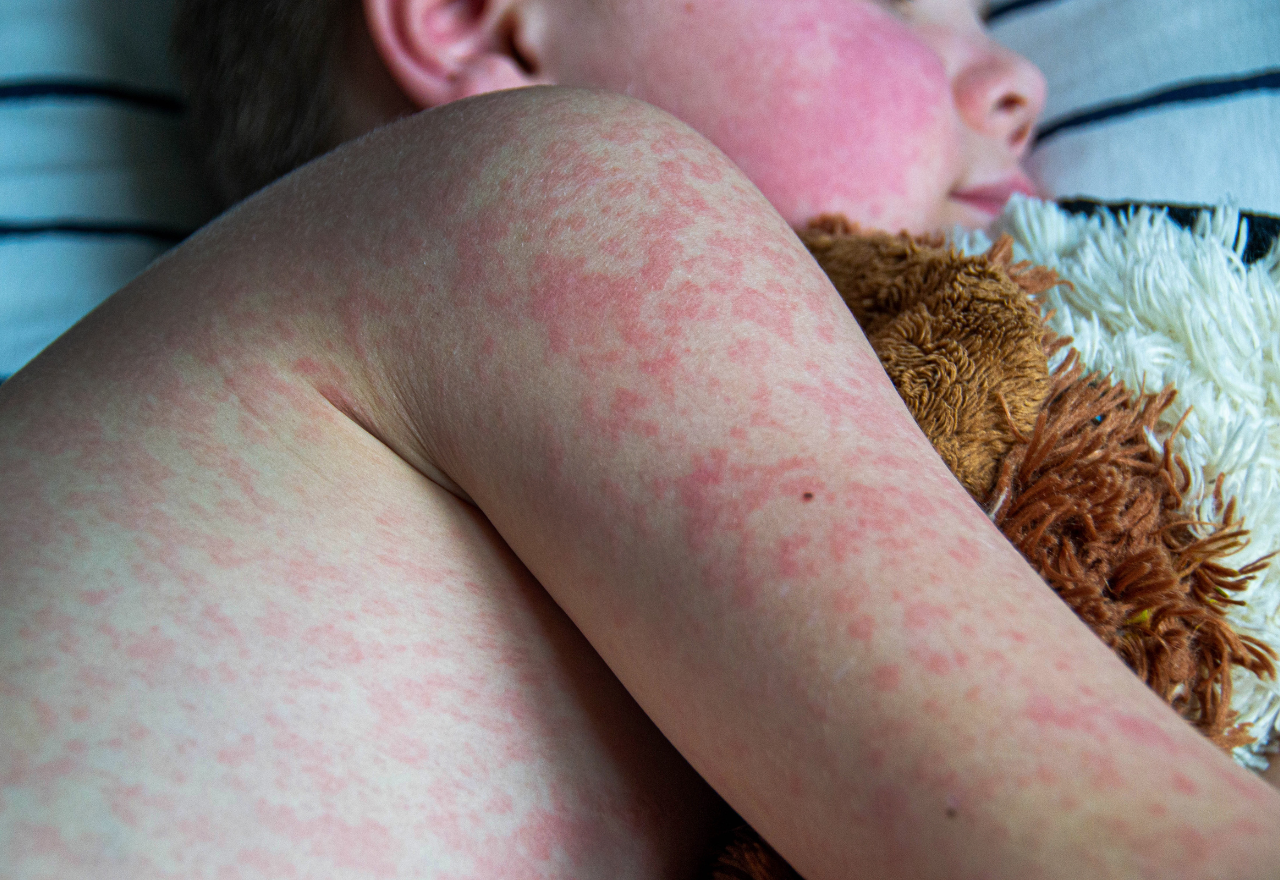
“Symptoms to watch out for include fever, runny nose, sore eyes and a cough, usually followed three or four days later by a red, blotchy rash that spreads from the head to the rest of the body," said Director of Communicable Diseases NSW, Dr Christine Selvey.
Anyone with early symptoms who gets a rash a few days later should also think about measles,and seek testing.
“It can take up to 18 days for symptoms to appear after an exposure."
How to avoid getting measles
Measles is a vaccine preventable disease that is spread through the air when someone who is infectious coughs or sneezes.
“We want to remind the community to make sure they are up to date with their vaccinations.
"The measles vaccine can prevent the disease even after exposure, if given early enough,” Dr Selvey said.
“This should be a reminder for everyone to check that they are protected against measles, which is highly infectious.
“Anyone born after 1965 needs to ensure they have had two doses of measles vaccine.
"This is especially important before overseas travel, as measles outbreaks are occurring in several regions of the world at the moment."
The measles-mumps-rubella (MMR) vaccine is safe and effective, and is given free for children at 12 and 18 months of age.
It is also free in NSW for anyone born after 1965 who hasn't already had two doses.
Children under the age of 12 months can have their first dose of MMR up to six months early if they are travelling overseas. Parents should consult their GP.
People who are unsure of whether they have had two doses should get a vaccine, as additional doses are safe.
This is particularly important prior to travel. MMR vaccine is available from GPs (all ages) and pharmacies (people over 5 years of age).
For more information on measles, view the measles factsheet.
People can also visit the Australian Government Smart Traveller website for information on health risks, including measles outbreaks relevant to their travel destination.
If you, or a loved one, is experiencing measles symptoms, or have questions about measles, please call your GP or healthdirect on 1800 022 222.