Minister questioned over Coonamble water denial

River McCrossen
12 February 2026, 8:20 PM
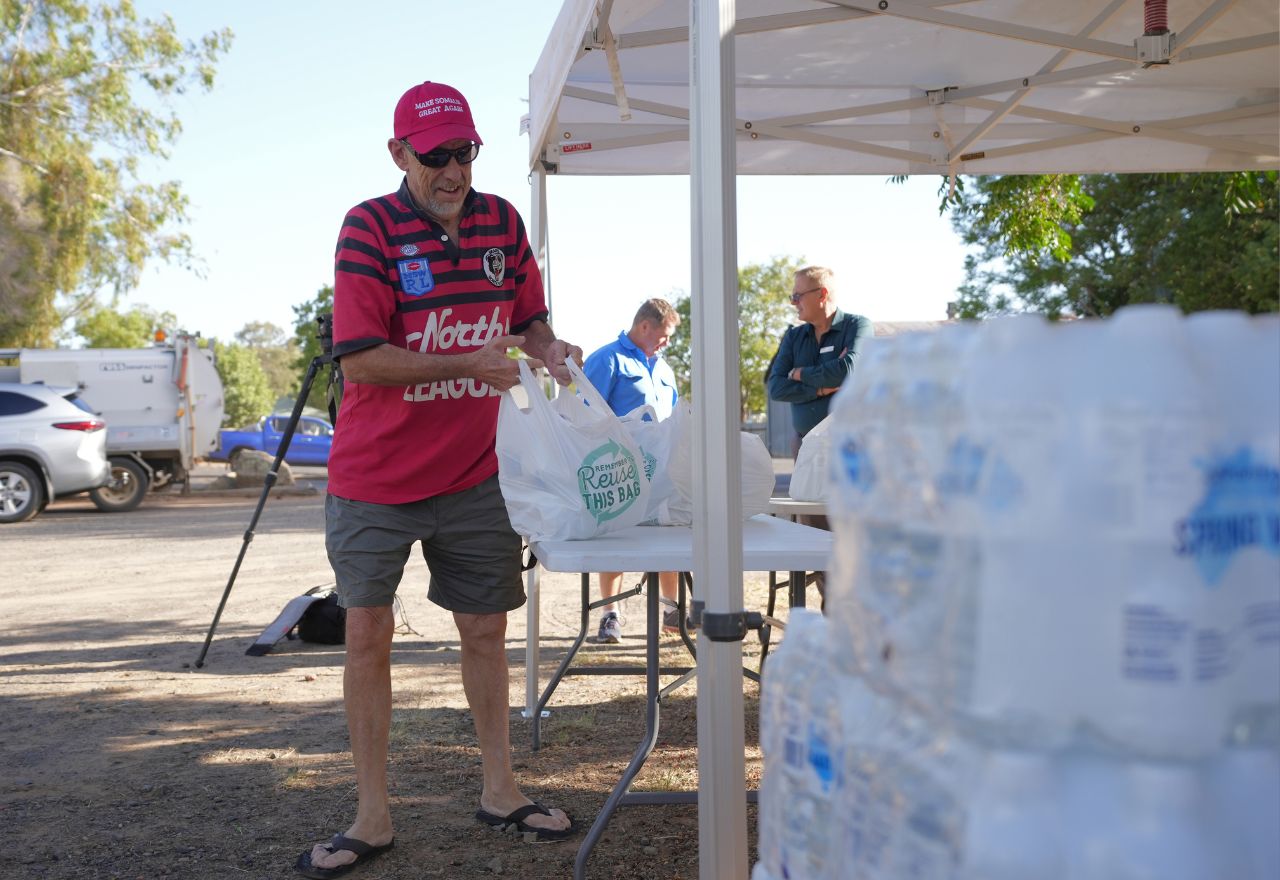 A man collected bottled drinking water from a council-run station off Coonamble's main street. IMAGE: River McCrossen
NSW Nationals MP Scott Barrett has probed a government decision to deny funding for bottled water in Coonamble as the town enters their third week on a boil water alert.
Mr Barrett asked water minister Rose Jackson why the $30,000 request was not granted in Parliament on Wednesday 11 February.
"If not having clean water to wash and the ability to drink tap water isn't enough to trigger support, then what is?" Mr Barrett said.
"They've had to cancel cattle sales in the area, and as they slip further and further into drought that means people are hanging into stock for longer, which is going to have further ongoing problems.
"What we need to know is why this $30,000 to help this council was rejected."
Local councils can apply to subsidise emergency bottled water in "exceptional circumstances," according to an information sheet from the NSW Department of Climate Change, Energy, the Environment and Water. (DCCEEW) and Coonamble Shire Council submitted an application on 4 February when it became clear the situation would last more than a few days.
Coonamble Shire announced a ban on non-essential usage on 28 January after high demand outpaced treated water production at the town's plant.
 \
\
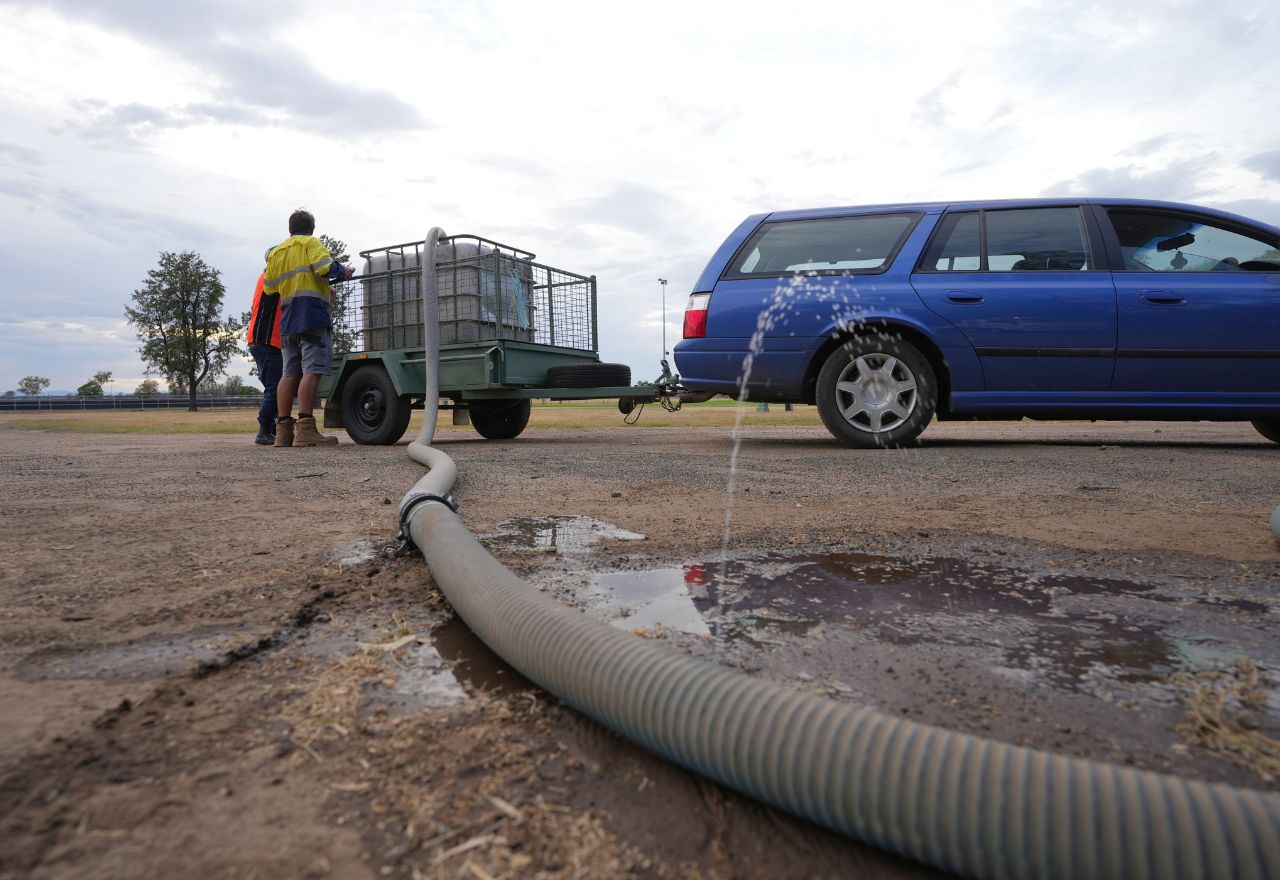
A collection point for non-drinking water at Coonamble Showgrounds. IMAGE: River McCrossen
That forced the council to pipe untreated bore lines directly into the drinking water system, which triggered a boil water alert.
Minister Jackson said she understood that the council had not made a request, although the Western Plains App has seen a rejection letter from DCCEEW.
"Things like water carting are available to support critical human needs where an emergency situation arises," she said.
"But that can't be at the expense of supporting a local water utility (Coonamble Shire Council) to be able to do its job in the long term, because we don't want to go down a path of saying to a community like Coonamble that you don't have the long-term sustainable capacity to have a local utility deliver your water."
Impacts hit fast
The restrictions came during a state-wide heatwave in late January-early February that saw days of temperatures above 40 degrees.
The impact has been felt by businesses and residents throughout the community, from failing gardens to extra transport costs.
Volunteers from the town's Rotary club say have made around 40 trips for residents unable to collect drinking water as the town enters their third week of tight water restrictions.
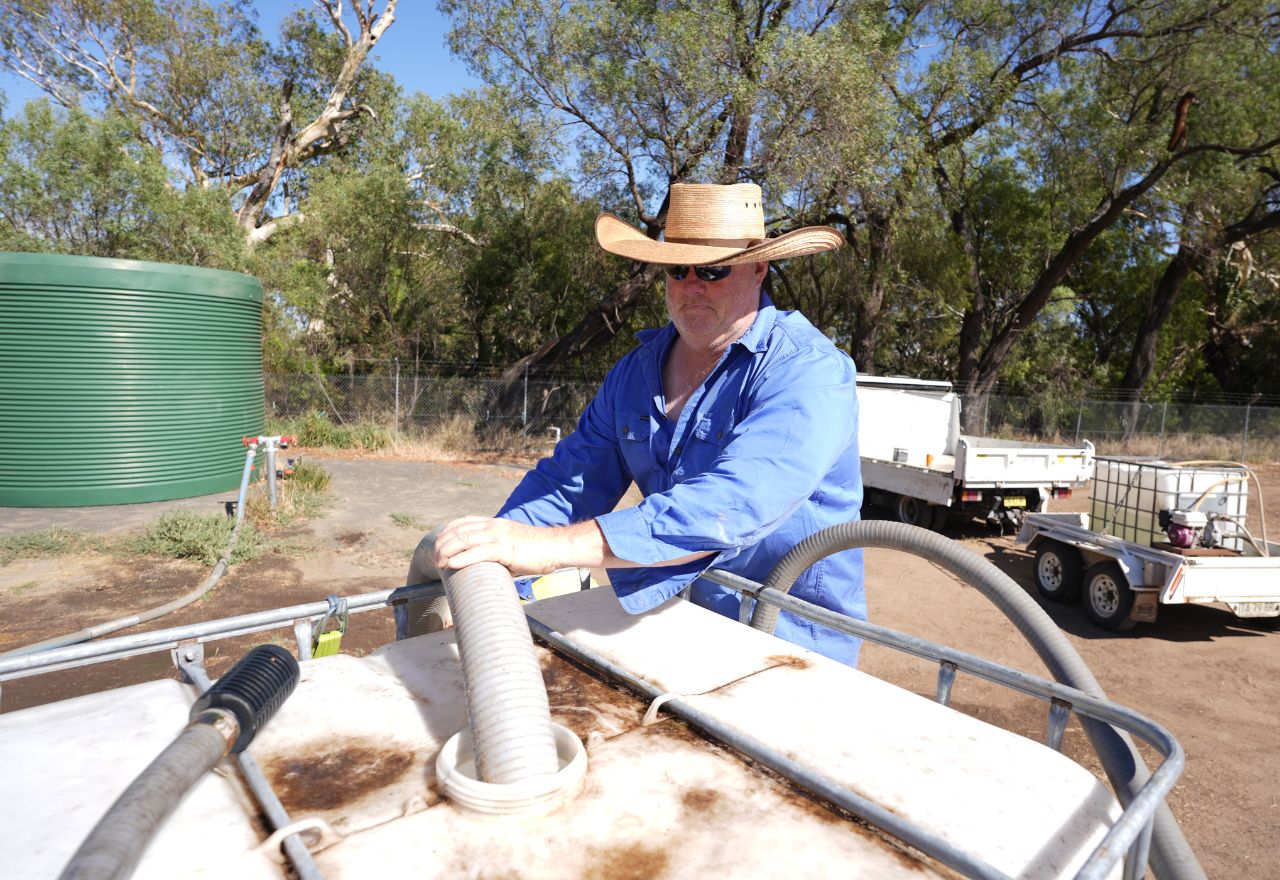
Mark Hoath fills his tank with water to hose a garden for an elderly resident. IMAGE: River McCrossen
They have delivered water from council collection sites to elderly people and young families unable to do so themselves since a boil water alert went out in late January.
One of them was Mark Hoath, who filled a 1000-litre tank at a council station and transported it to residents on the back of his utility.
He was using it to hose an elderly barber's garden when he caught up with The Coonamble Times on Monday 2 February.
"It’s the right thing to do, mate. It’s what community should do,” Mark said on the way to pick up water.
“She’s got veggie gardens all over the place and it’s just dying.
“It’s just heartbreaking to see some of these oldies.”
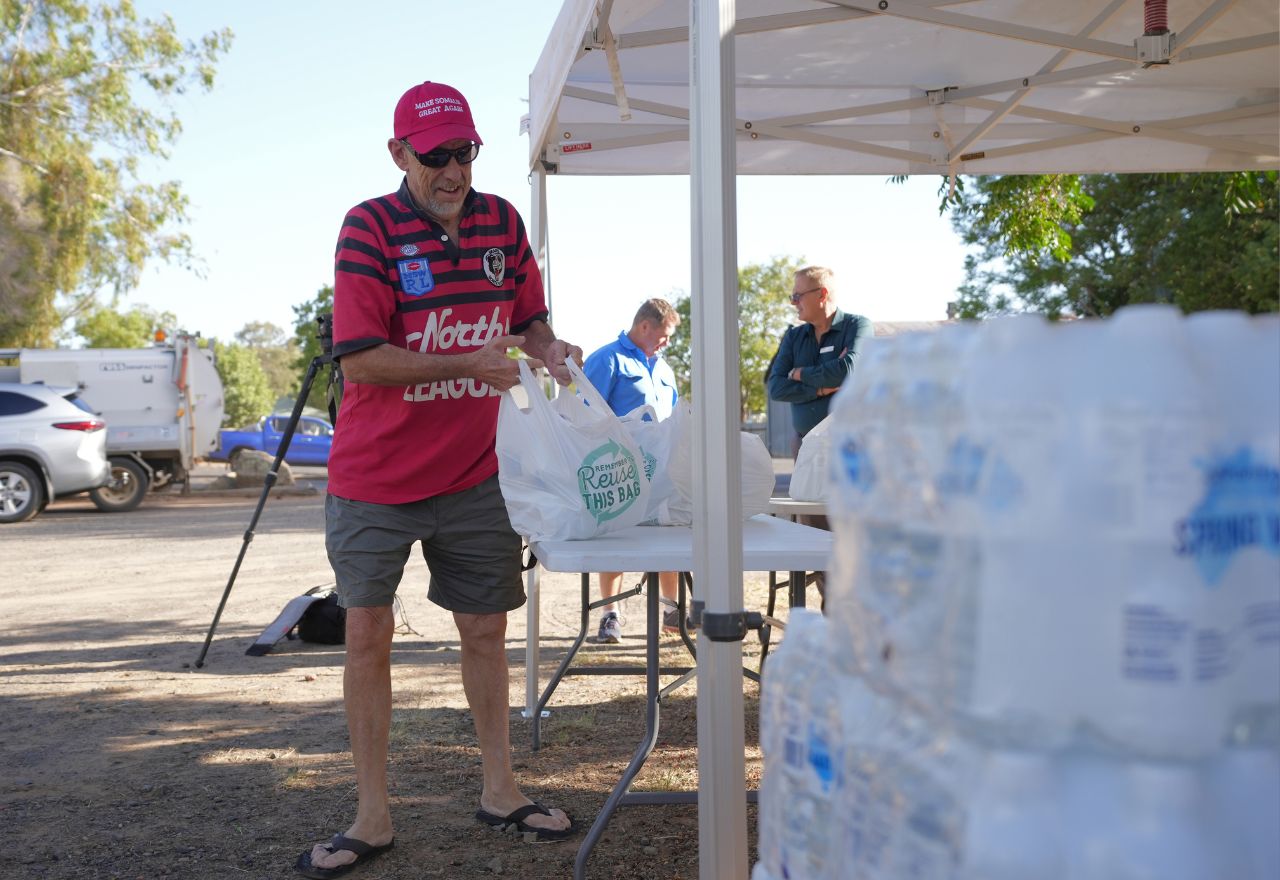
A drinking water collection point off Coonamble's Castlereagh Street. IMAGE: River McCrossen
Supermarkets and alcohol-licenced venues were quick to order extra supplies of bottled water.
They reported a loss in revenue, particularly due to transport costs, although no bottled water shortages have been reported.
"It will increase our costs quite a bit," Coonamble Bowling Club manager Natalie Thurston said.
"We're buying bags of ice for the day. We're buying water to use in the kitchen."
Residents initially reported varying levels of water pressure drops.
However, they have since eased alongside temperatures following a state-wide heat wave in late January-early February.
The council also opened a daily site where residents can grab a bag of bottles for free, while a shower on Monday 9 February provided temporary relief for local gardens.
However, the there has been at least one report of a resident presenting to Coonamble Hospital with dehydration; school bubblers cannot operate and immuno-compromised people remain at higher risk.
Council is working towards the return to treated water, but a series of other infrastructure set-backs have plagued the process.
Breaking water mains, an unexpected drop in production of one of the main bores and a failure in the telemetry system that connects another bore to the water treatment plant have all added to the delays.
Mayor Dan Keady and General Manager Greg Hill will be meeting with Water Ministry staff in Sydney later this month.