Lobbyists' turn to contribute to the Basin review

River McCrossen
16 February 2026, 1:40 AM
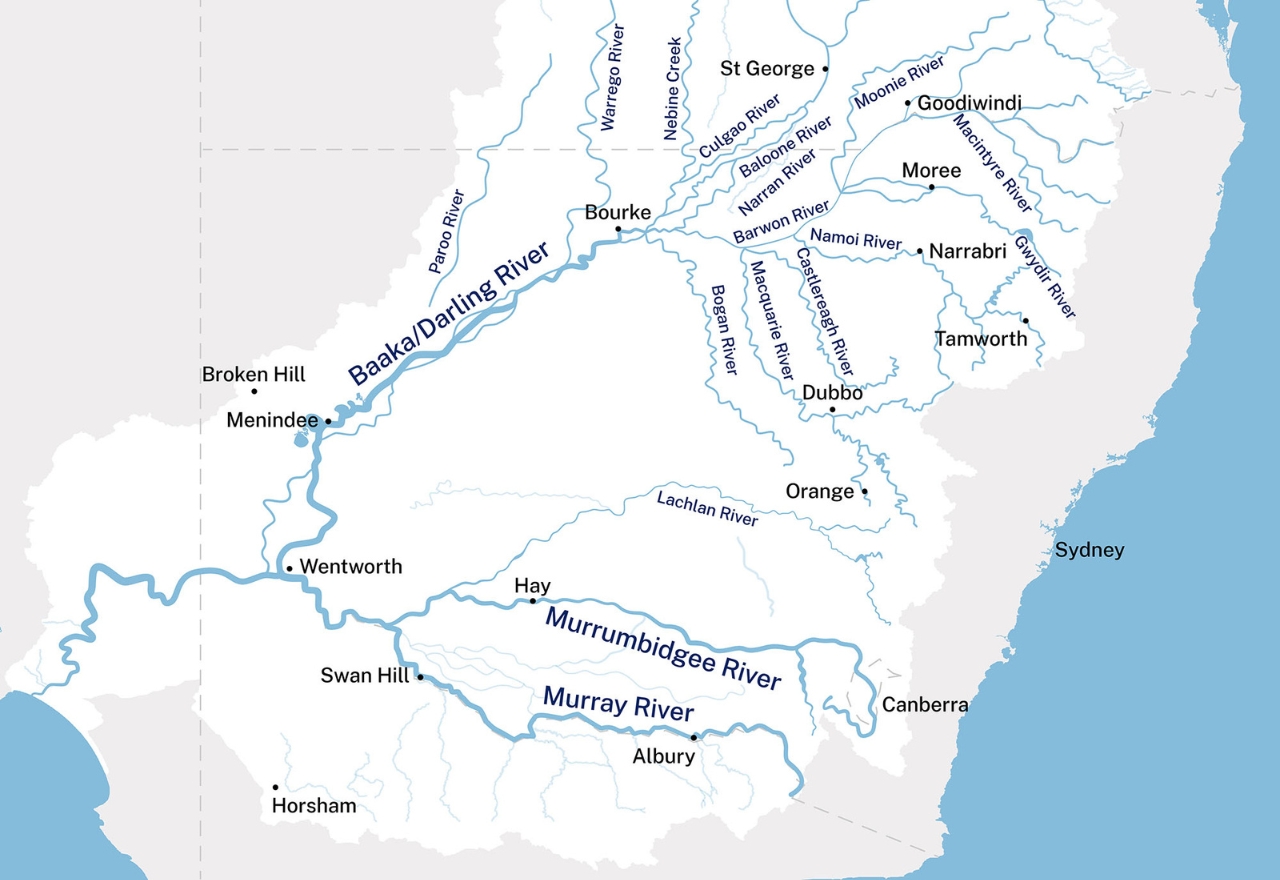 A map of the Murray Darling Basin [SOURCE: NSW Government]
With the start of the public consultation phase of the review into the Murray Darling Basin Plan, differing views are being offered.
The review aims to balance environmental, social, cultural and economic water needs for Basin communities over the next ten years, and will make recommendations on changes to the plan in late 2026.
Irrigation and farming lobbies argue that the current plan has reserved enough water for environmental sustainability, and that water recovery efforts have hurt businesses.
Environmental advocates say there are still parts of the Basin - stretching across four states and including the Barwon-Darling, Bogan, Castlereagh and Macquarie rivers - that aren't improving.
A discussion paper released by the Murray Darling Basin Authority has set the scene.
"The 2025 Basin Plan Evaluation found that water reforms have had a relatively minor effect on the Basin’s overall regional economy. Shifts in regional and rural Australia have played a larger role in shaping economic outcomes at regional scales," it says.
"However, water recovery has been particularly tough for some smaller and more remote irrigation communities.
"Irrigation infrastructure operators have had to adapt their service models and cost structures to remain viable with fewer water users.
"The step change was needed to secure the Basin’s long-term environmental health. The shift to more balanced water use has required difficult adjustments and some Basin communities have experienced significant and lasting impacts.
"The opportunity to review the Basin Plan is therefore significant, to ensure it is working as efficiently and effectively as possible for the next phase of Basin management."
The discussion paper also looks at matters including water quality, native fish decline, First Nations rights, research gaps and aging infrastructure like dams and weirs.
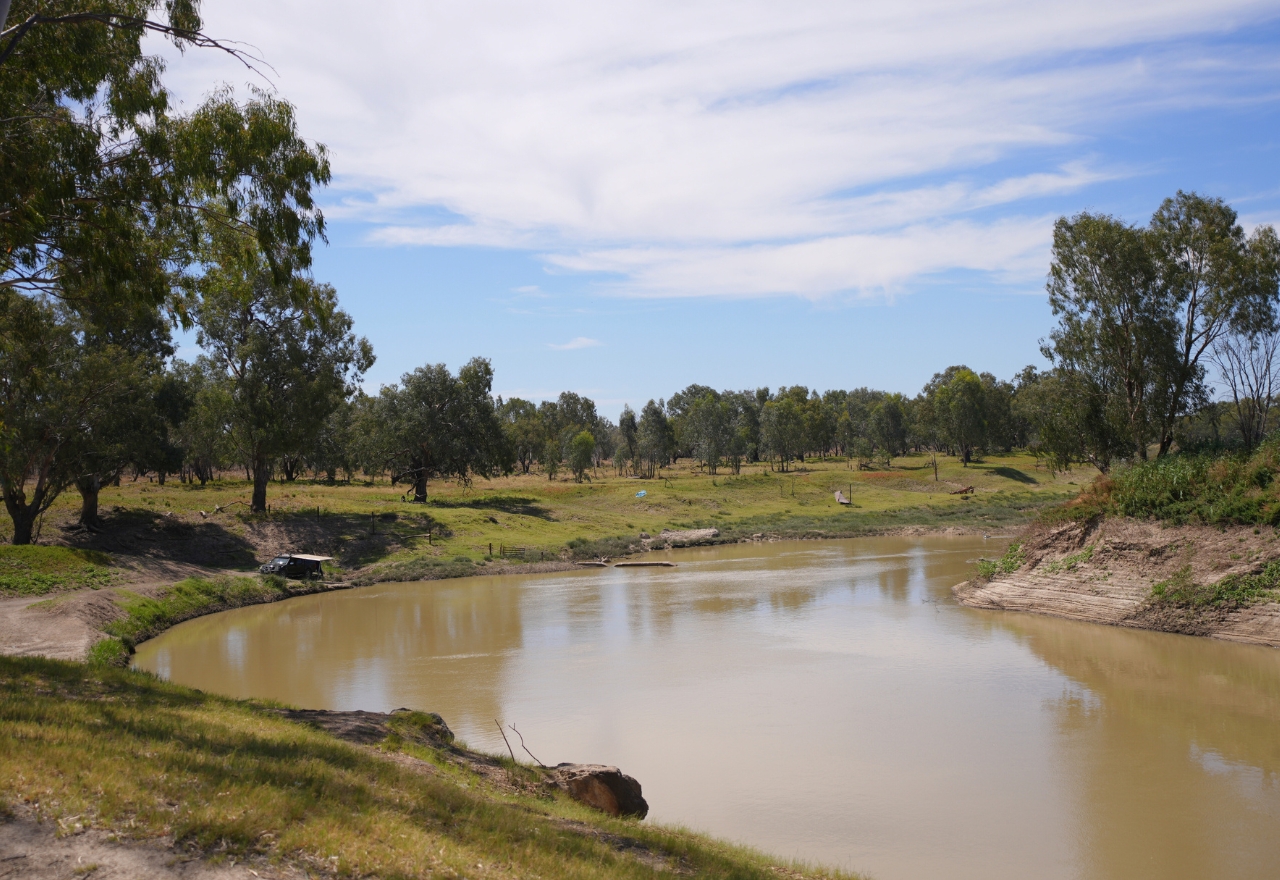
When it comes to water policy in the Basin, debate over irrigation and environmental need is never far from sight. [IMAGE: River McCrossen]
The Plan was launched in 2012 following the Millenium Drought from the late 1990s to late 2000s.
The discussion paper says the drought exposed "serious consequences of over extraction", including periods where parts of the Darling River stopped flowing for hundreds of days.
In response, the Plan aimed to rebalance usage to ensure river health with measures like buy backs, where governments purchase water entitlements off landholders to keep it in the system.
Since the Plan came into force 14 years ago, the federal government has recovered about 20 per cent of the Basin's 'consumptive' water - which can include town and agricultural supply - for the environment.
Environmental water now makes up around 27 per cent of water holdings in the Basin.
National Farmers’ Federation (NFF) Water Committee Chair Malcolm Holm said more water to protect the system is not the way to go.
“Given the Report, what further evidence do we need to provide to cease more buybacks?” he said.
“After $13 billion and more than a decade of implementation, the focus must now be on optimisation and applying the lessons learned to improve outcomes."
At the NSW Irrigators Council, CEO Madeleine Hartley said the industry has made "significant" efforts to improve water efficiency over the years.
"This is a living and productive Basin, and we need to keep it that way. With over 8,500 irrigation businesses operating in the Basin and an economic value of $40 billion, the review needs to bring real solutions that ensure the future viability of irrigation," she said.
"At this critical juncture in the Basin Plan’s review, governments must turn their focus to addressing invasive species like carp, improving fish passage, riverbank restoration, tree and vegetation planting all the while working alongside local communities to deliver projects to improve flow patterns."
Environmental advocates like the Murray-Darling Conservation Alliance say not enough water is reaching wetlands and floodplains, and that all options should be on the table.
"The recent listing of the lower River Murray (in South Australia) as Critically Endangered demonstrates how serious the situation is," Alliance co-director Craig Wilkins said.
"The rivers, wetlands and floodplains of the Murray-Darling Basin are in trouble. Too much water is still being taken from rivers for irrigation.
"Limiting ambition from the outset is doing a disservice to Basin communities and our rivers."
Public consultation closes on 1 May.